

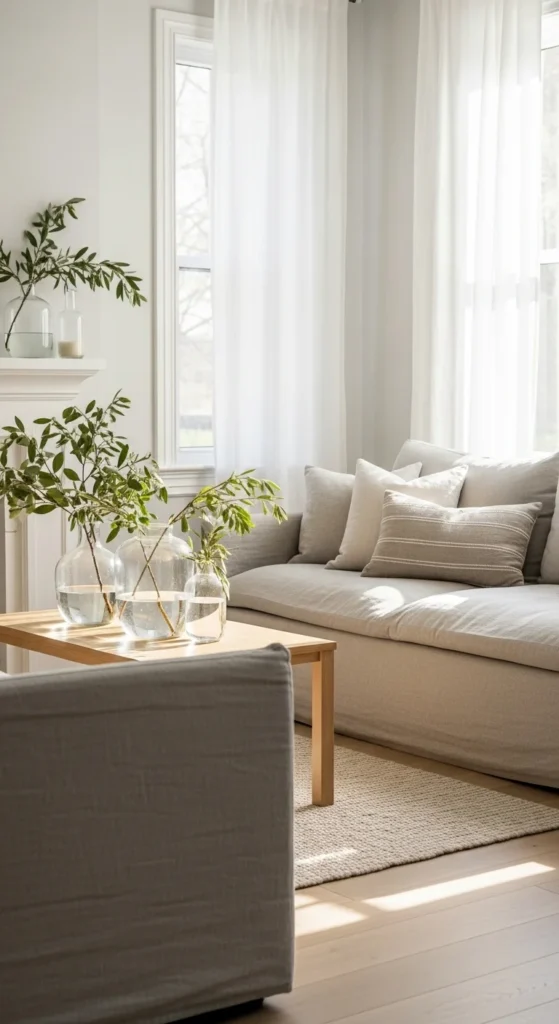
Spring styling is about small choices that feel thoughtful rather than rushed. The goal is a home that feels lighter, calmer, and aligned with the season without buying everything new. These ideas focus on simple swaps, subtle layers, and practical updates you can do in a weekend. Each one helps your space feel considered and seasonal while staying realistic for everyday life.
1. Rotate Decorative Pillows by Fabric, Not Color
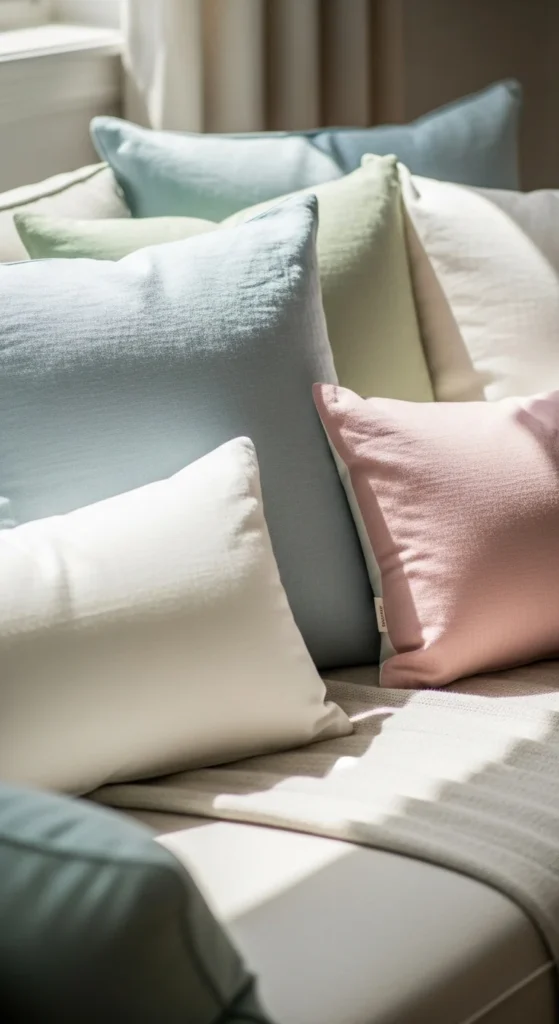
Switching pillow fabrics changes the mood faster than changing colors. Heavy knits and velvet can rest until cooler months. Linen, cotton, and light canvas feel more in tune with spring. You can keep the same color family and still get a noticeable shift.
If buying new covers isn’t in the budget, check what you already own. Even one or two lighter covers mixed in helps. Try uneven numbers for a relaxed look. Two linen pillows and one cotton lumbar works well.
Budget tip: Neutral pillow covers often cost less and work year after year. Stick to simple seams instead of decorative trims to keep things easy.
DIY idea: If you sew even a little, basic envelope covers from cotton fabric are quick to make. Old tablecloths or curtains can work too.
This approach keeps things intentional without changing your whole setup.
2. Swap Heavy Throws for Light Layers
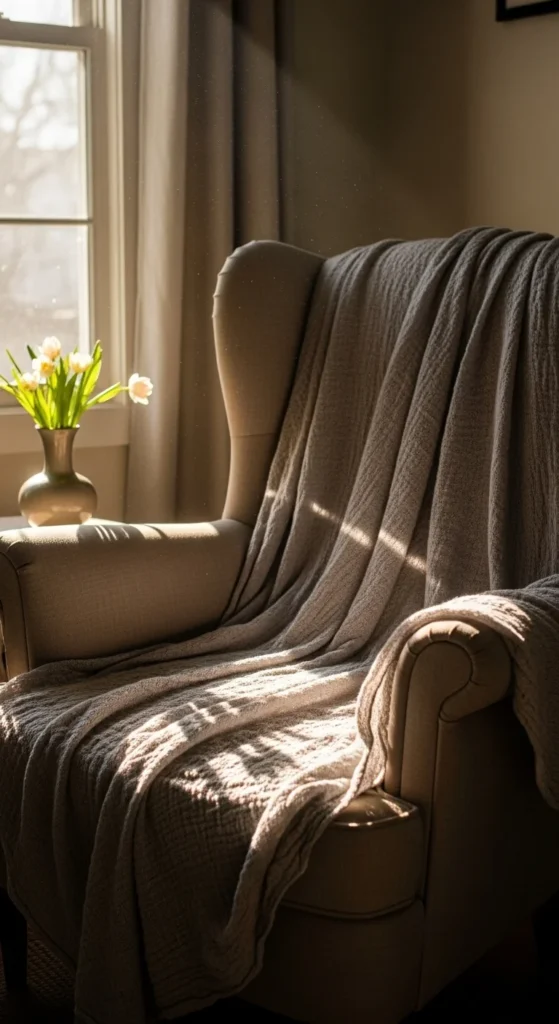
Throws still matter in spring, just not the bulky kind. Replace thick knits with cotton or gauze-style throws. The lighter weight looks right and still adds comfort.
Drape instead of folding. A loose toss over an arm or back feels casual and seasonal. Avoid tight rolls or stacked looks that feel cold-weather focused.
Budget tip: Check discount home stores for simple cotton throws. Solid colors age better than bold prints.
DIY idea: A large cotton scarf can double as a throw for smaller chairs. Wash it well and let the wrinkles stay.
This small change keeps seating areas soft without looking out of place for the season.
3. Style Coffee Tables with Open Space
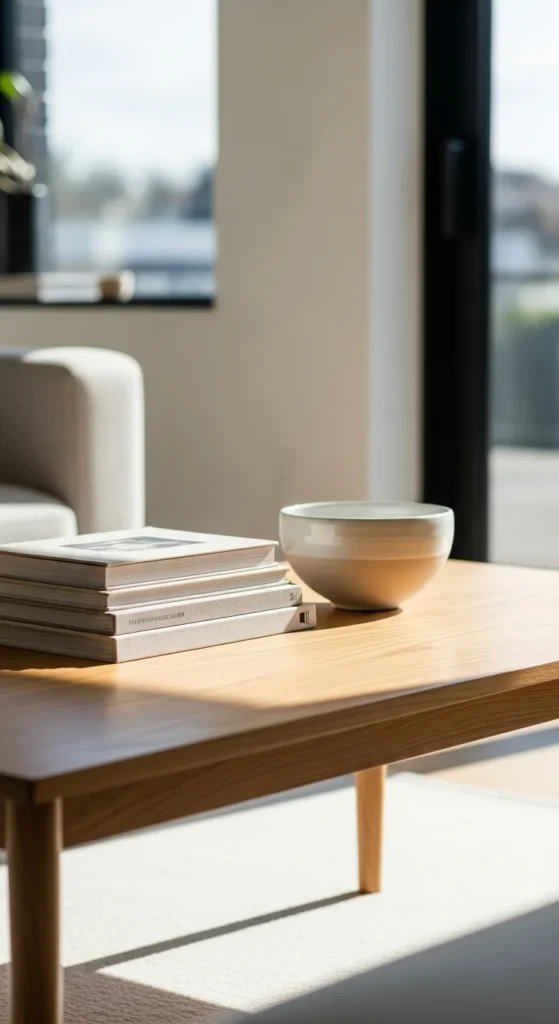
Spring styling benefits from breathing room. Clear off crowded coffee tables and keep only a few pieces. Empty space makes everything else look more deliberate.
Use the rule of three. A book stack, a small bowl, and one natural element work well. Avoid filling every inch.
Budget tip: Shop your home. Move pieces from other rooms instead of buying new items.
DIY idea: Turn a simple bowl into a catchall for remotes. It keeps function and style aligned.
Less on the table makes the whole room feel calmer and more seasonal.
4. Bring In Greenery with Simple Containers
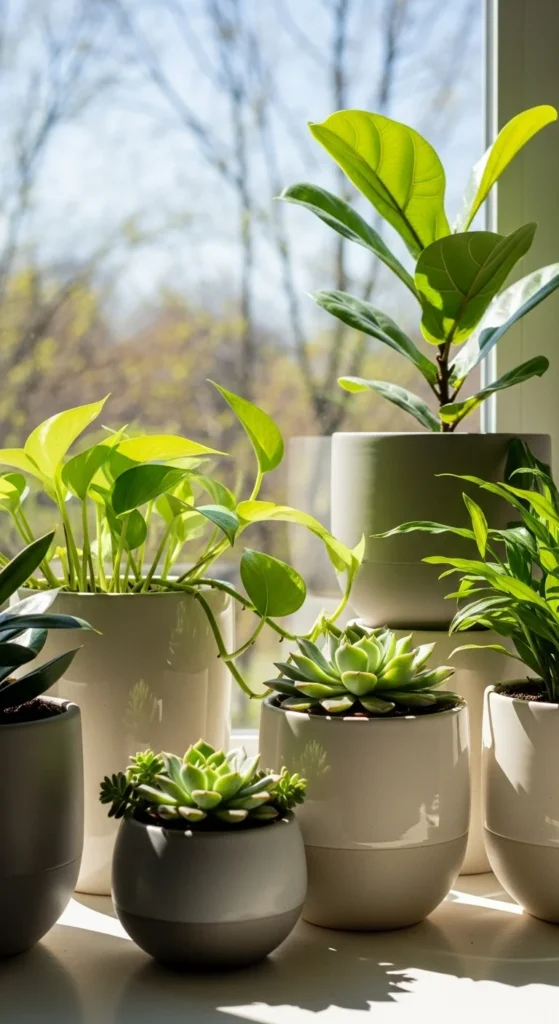
Plants instantly signal spring, but the container matters. Choose plain ceramic, clay, or glass. Loud planters distract from the calm look.
If real plants feel like work, start small. One pothos or herb is enough to shift the mood.
Budget tip: Grocery store plants are affordable and easy to swap out later.
DIY idea: Wrap basic plastic pots with kraft paper or fabric using twine. It adds texture without cost.
Keep plant placement intentional. One per surface often works better than clusters.
5. Lighten Bedding with Layered Whites
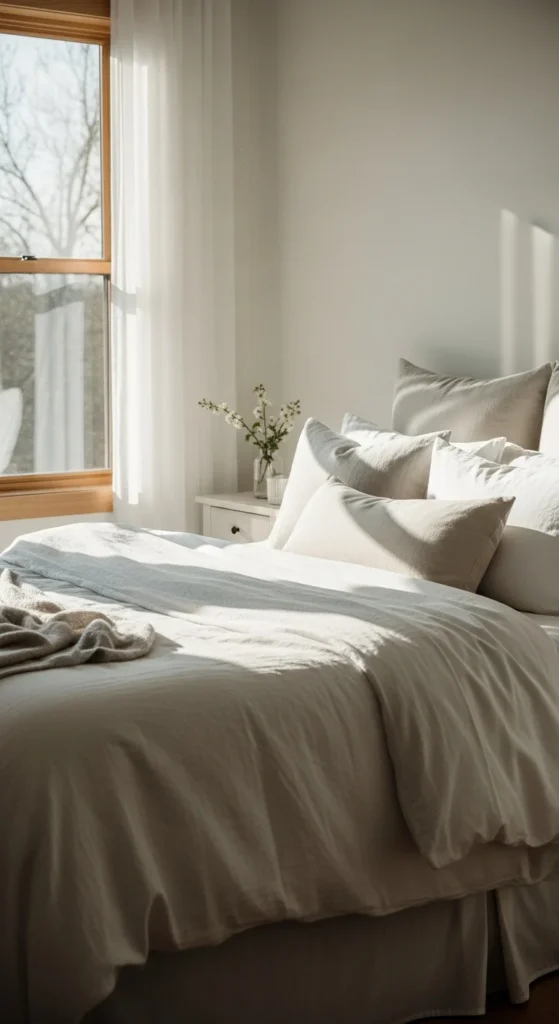
Spring bedrooms feel calmer with lighter layers. You don’t need all-new bedding. Add one white or off-white layer to what you have.
A simple cotton duvet cover or top sheet changes the look fast. Keep darker items folded at the foot if nights are still cool.
Budget tip: Sheet sets often cost less than full duvet swaps and still make a difference.
DIY idea: Use two flat sheets layered for a relaxed, hotel-style look.
The key is softness and restraint, not full replacement.
6. Use Trays to Group Seasonal Items
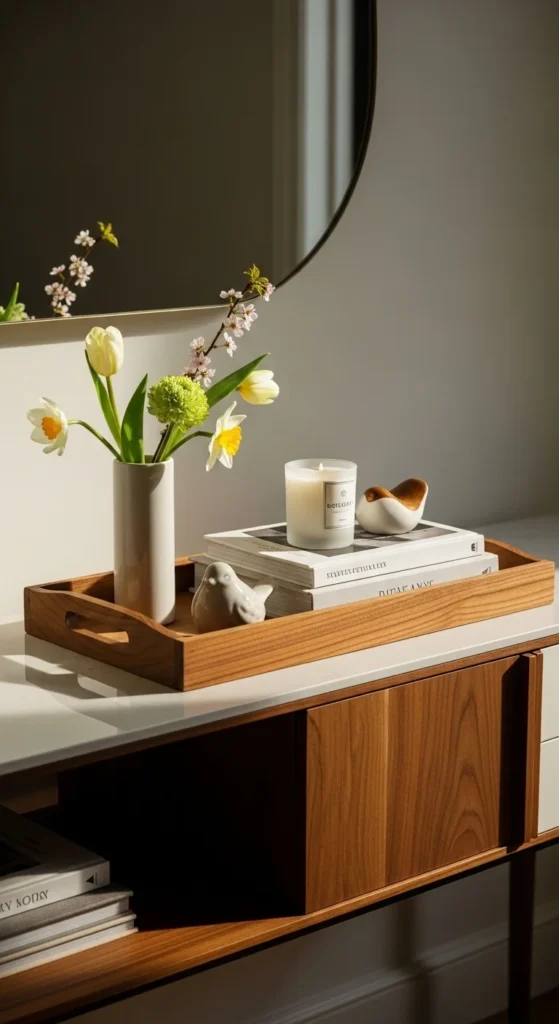
Trays help things feel planned. Group candles, small vases, or everyday items so they don’t feel scattered.
Choose wood, ceramic, or metal with a simple shape. Avoid overly decorative designs.
Budget tip: Thrift stores often have trays that only need cleaning.
DIY idea: A shallow wooden box works just as well as a store-bought tray.
This keeps surfaces tidy while still styled.
7. Change Artwork by Scale, Not Theme
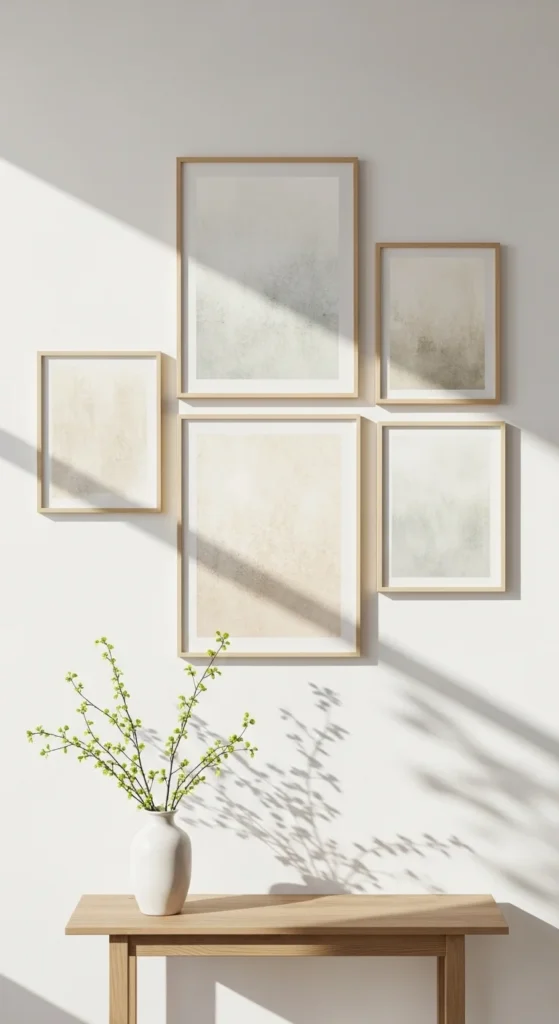
Spring art swaps don’t have to be floral. Focus on lighter visuals and open compositions.
Smaller frames grouped loosely can feel more seasonal than one large, dark piece.
Budget tip: Print digital art at home and use simple frames.
DIY idea: Frame fabric, wallpaper samples, or pages from old books with lots of white space.
Art that feels airy supports a seasonal shift without being obvious.
8. Style Entry Tables with Fewer Objects
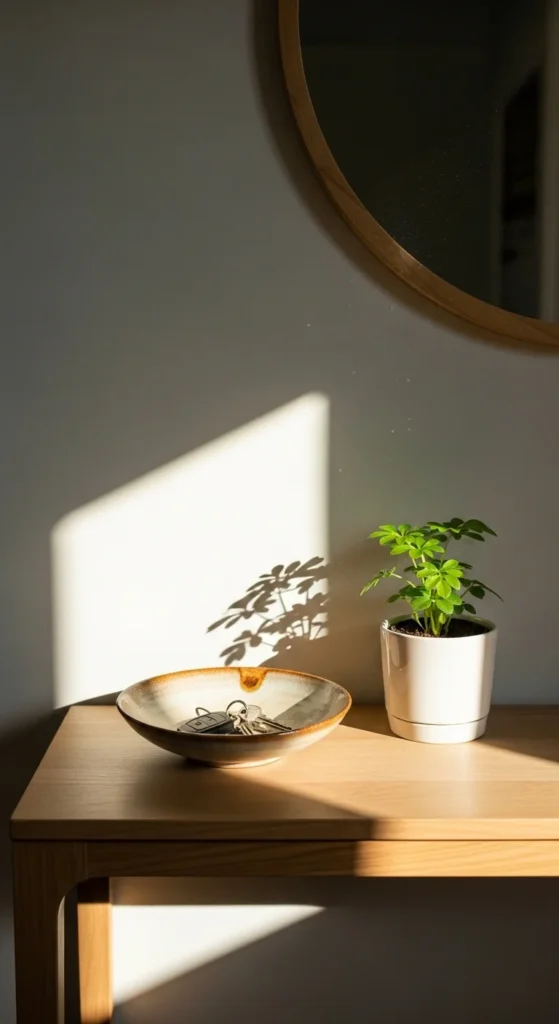
First impressions matter. Clear entry tables of extras and keep only what serves a purpose.
Keys, mail, and one visual anchor are enough. Avoid stacking unrelated items.
Budget tip: Use one existing bowl or tray to corral daily items.
DIY idea: Repurpose a small kitchen bowl for keys.
A simple entry sets the tone for the whole home.
9. Use Sheer Curtains to Soften Light
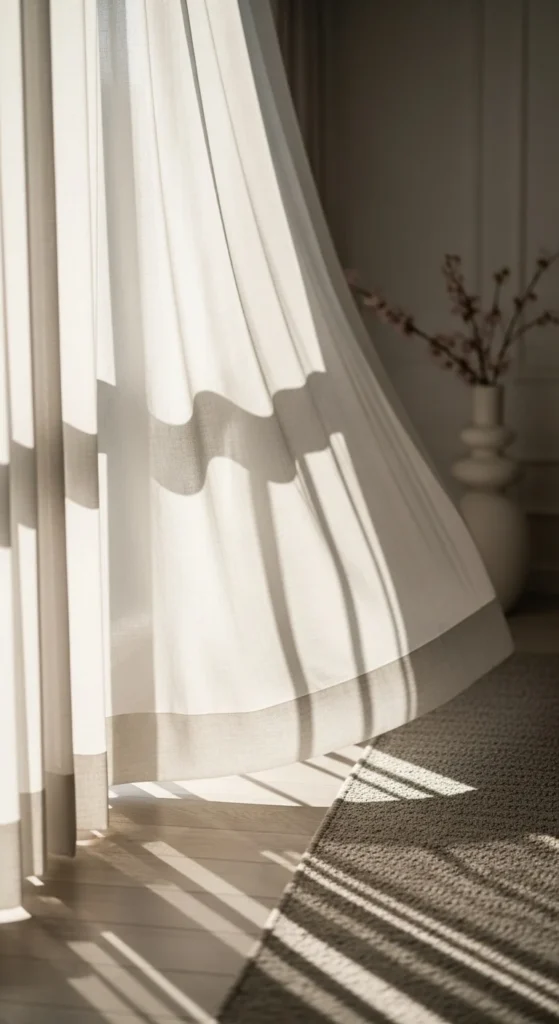
Sheer curtains filter light without blocking it. They help rooms feel calmer and more open.
If replacing curtains isn’t possible, tie back heavier panels during the day.
Budget tip: Basic sheer panels are often inexpensive and easy to hang.
DIY idea: Use lightweight fabric and clip rings to create no-sew panels.
This change works especially well in living rooms and bedrooms.
10. Add One Seasonal Scent per Room
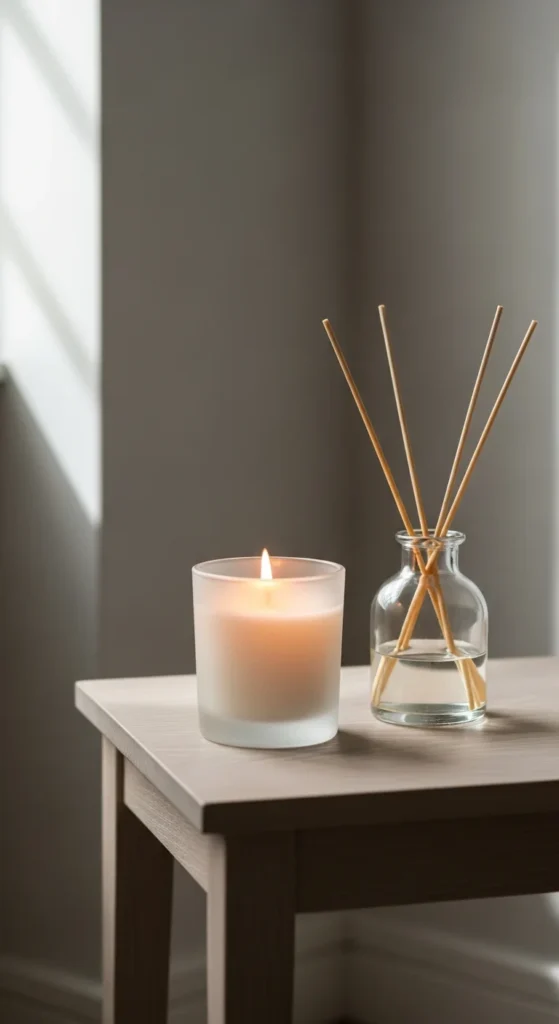
Scent plays a quiet role in seasonal styling. Choose one scent per room and keep it subtle.
Stick to light, clean notes like citrus peel or soft florals. Avoid mixing many scents.
Budget tip: Essential oil diffusers let you control strength and cost.
DIY idea: Simmer water with citrus slices for a natural option.
Consistent scent choices feel thoughtful rather than accidental.
11. Restyle Shelves with Negative Space
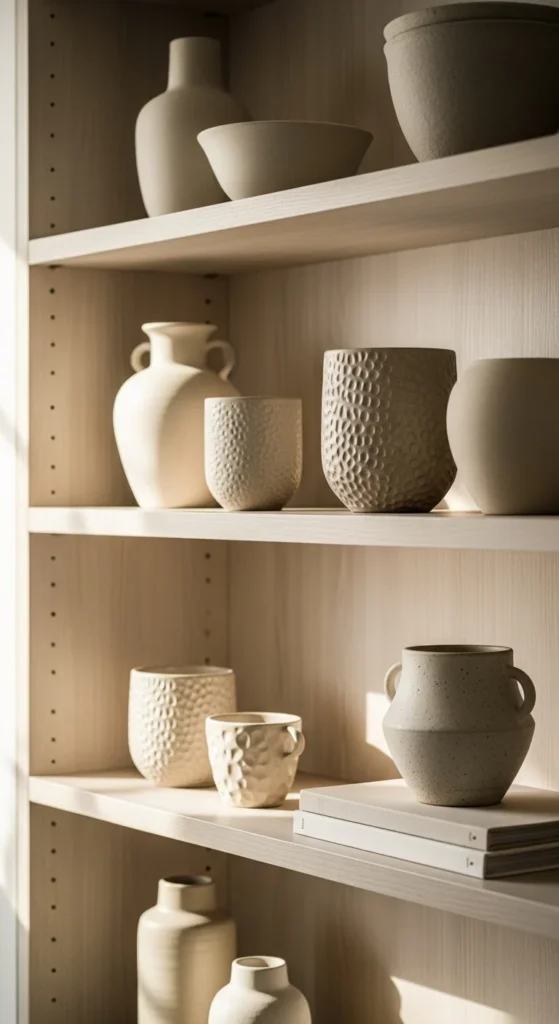
Remove a third of what’s on your shelves. The space left behind is part of the style.
Group items loosely. Leave room around each piece so it stands on its own.
Budget tip: No spending required. Editing does the work.
DIY idea: Turn book spines inward for a softer look.
Shelves that breathe feel calmer and seasonal.
12. Switch Table Linens to Light Textures
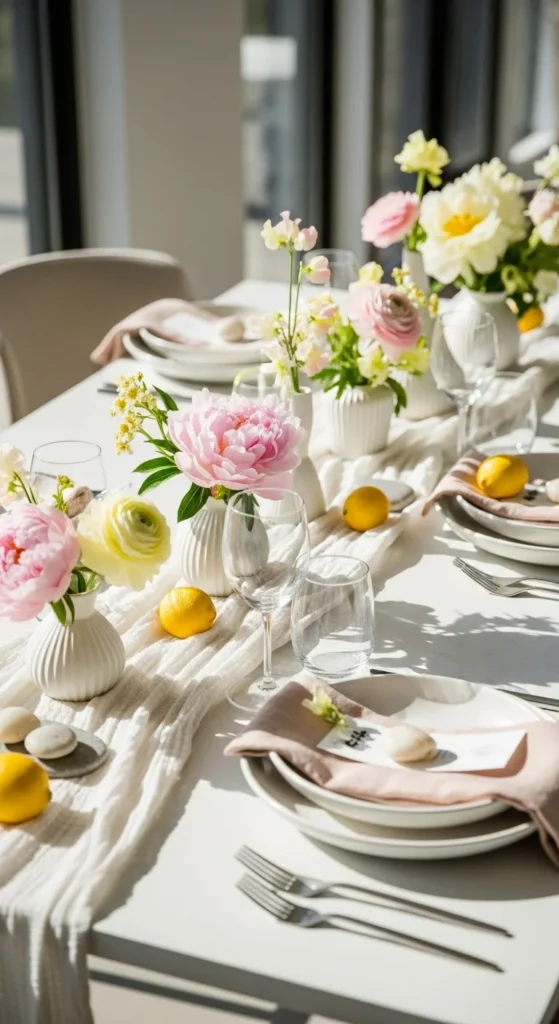
Heavy tablecloths can step aside in spring. Use runners or placemats instead.
Cotton and linen textures feel right for everyday meals.
Budget tip: Neutral runners work year-round.
DIY idea: Cut fabric to size and hem the edges for a custom runner.
This keeps dining spaces relaxed and intentional.
13. Use Open Baskets for Storage
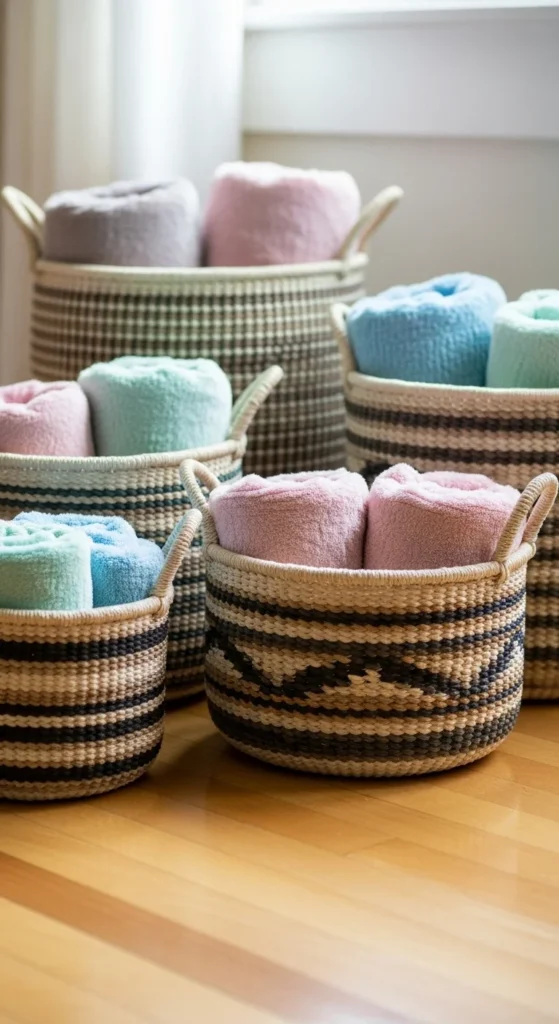
Open baskets store items while adding texture. Stick to natural fibers.
Avoid overfilling. Items should sit loosely inside.
Budget tip: Thrifted baskets often look better than new ones.
DIY idea: Line baskets with plain fabric for a cleaner look.
Storage can still feel styled with the right restraint.
14. Style Nightstands with Only Essentials
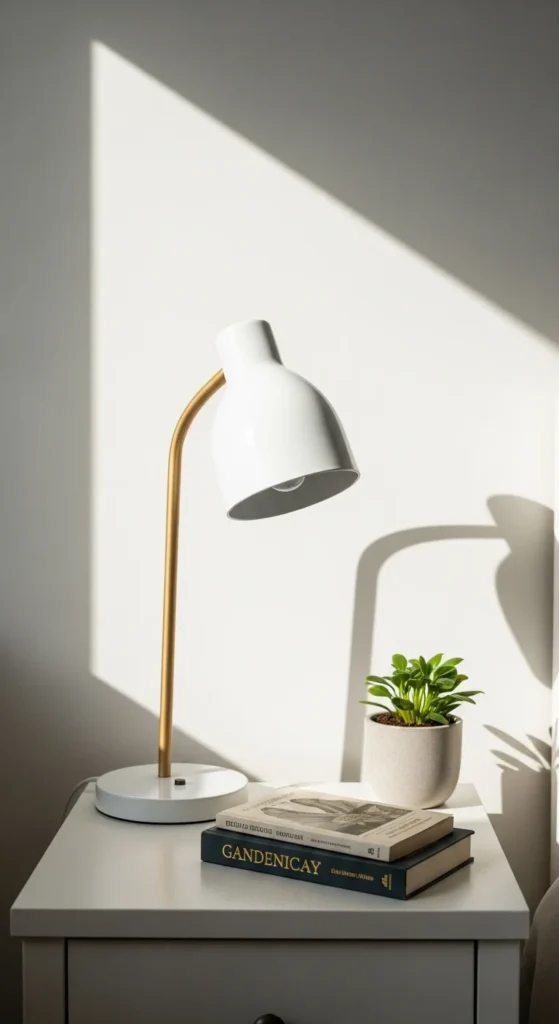
Clear nightstands help bedrooms feel calm. Keep only what you use nightly.
A lamp, one book, and a small item are enough.
Budget tip: Move extra items to a drawer instead of replacing furniture.
DIY idea: Stack books to raise lamps if needed.
This keeps the space restful and orderly.
15. Use Mirrors to Reflect Daylight
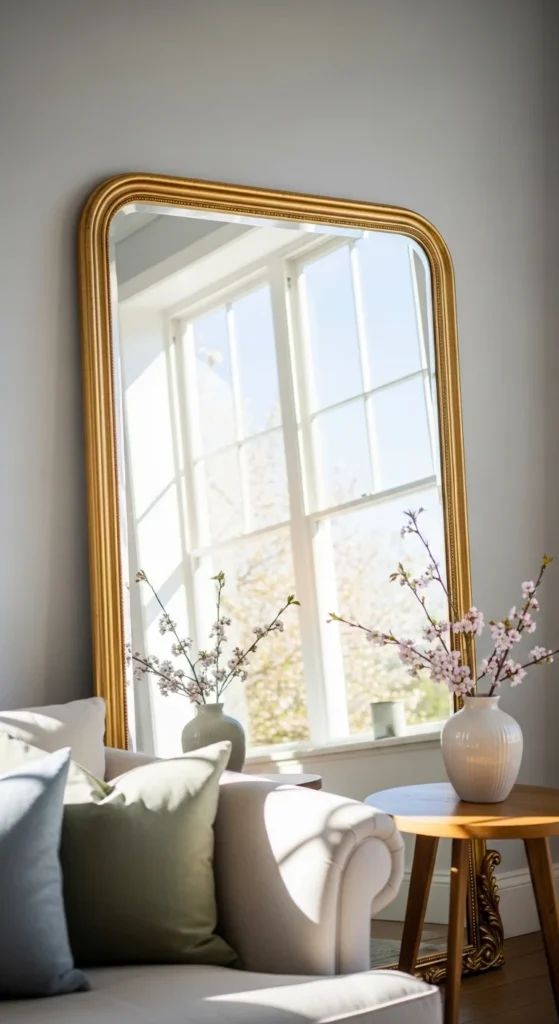
Mirrors bounce light around the room and make spaces feel more open.
Position them across from windows when possible.
Budget tip: Check secondhand shops for simple mirror frames.
DIY idea: Lean a mirror instead of hanging for a relaxed feel.
Light reflection helps rooms feel seasonally aligned.
16. Edit Decorative Objects by Material
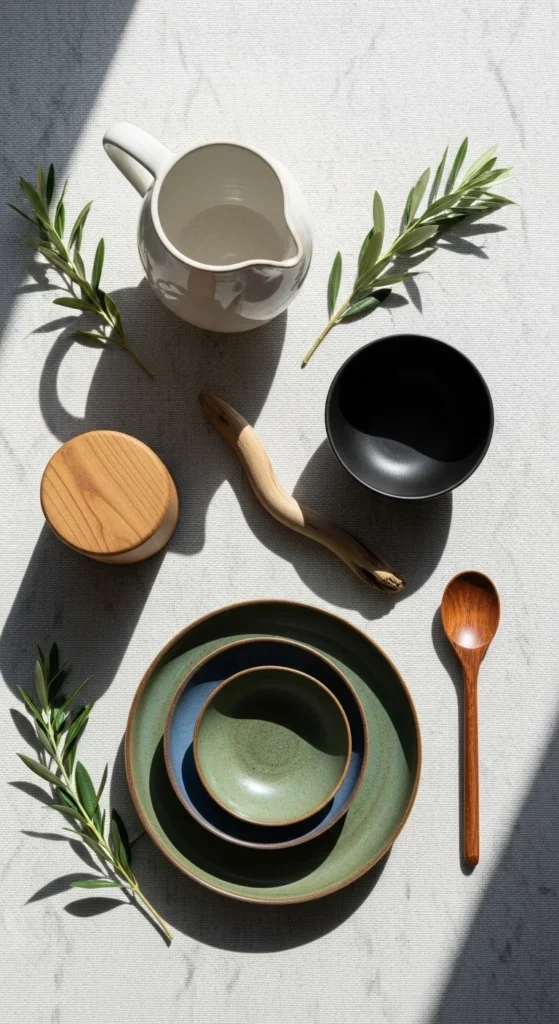
Choose decor made from wood, ceramic, or glass. Put away heavier-looking items.
Keeping materials consistent helps the space feel planned.
Budget tip: Rotate decor from other rooms.
DIY idea: Spray paint small items white or neutral for cohesion.
Material choice matters more than quantity.
17. Use Low Arrangements on Dining Tables
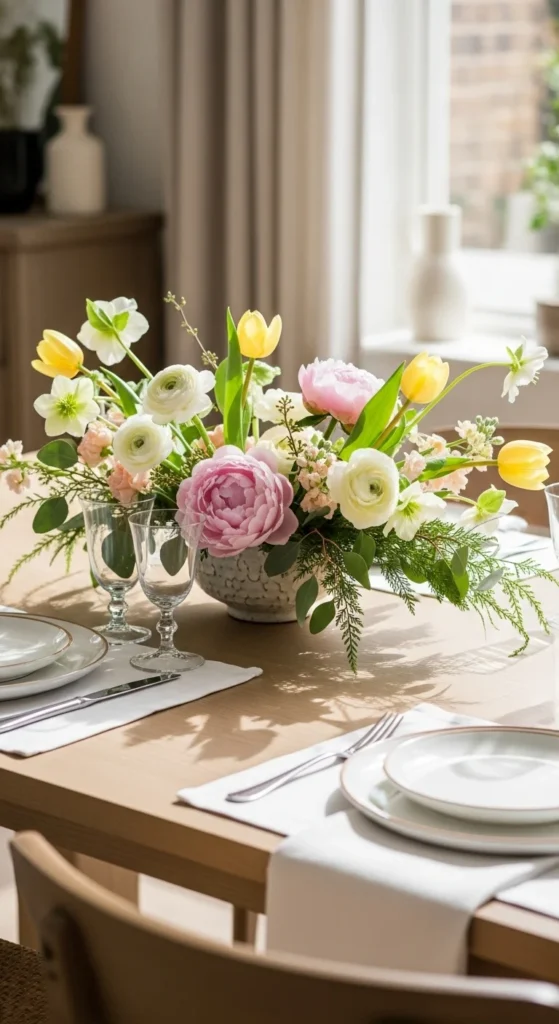
Low arrangements keep tables functional and relaxed.
Use simple containers and keep height minimal.
Budget tip: One small arrangement often works better than several.
DIY idea: Use a shallow bowl with trimmed stems.
This keeps dining spaces practical and styled.
18. Refresh Bathrooms with Textiles Only
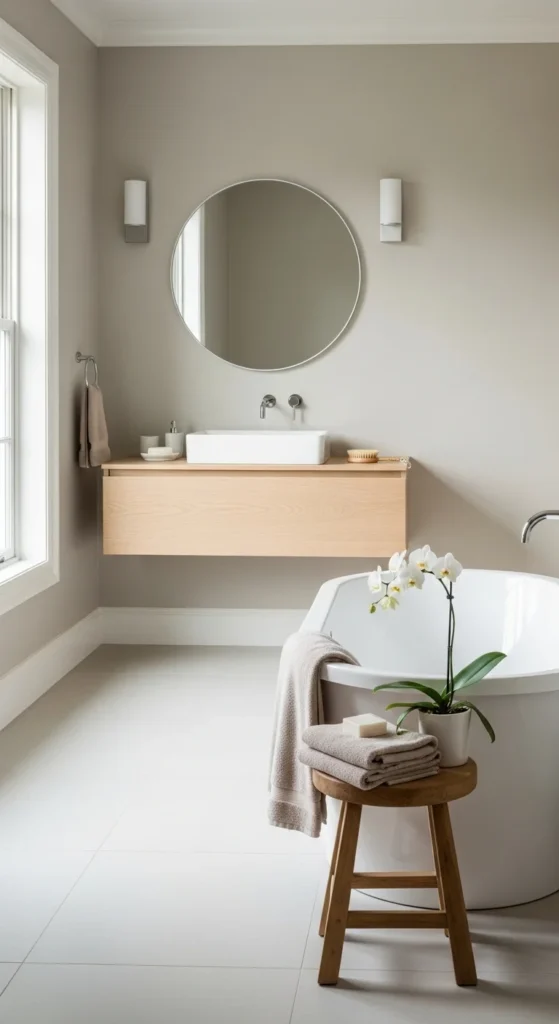
New towels and a simple shower curtain can change the whole room.
Stick to light tones and simple textures.
Budget tip: Buy towels individually instead of full sets.
DIY idea: Fold towels neatly instead of hanging many.
Small swaps make bathrooms feel season-ready.
19. Style Desks with Clear Surfaces
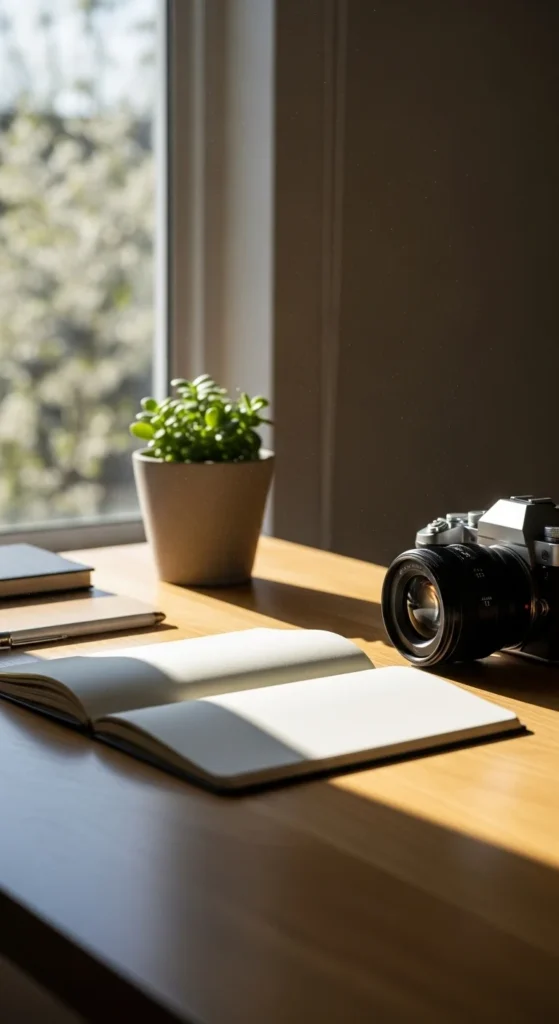
Clear desks support focus and calm. Keep work surfaces mostly open.
Store extras out of sight.
Budget tip: Use boxes you already own for storage.
DIY idea: Wrap boxes in paper for a cleaner look.
A tidy desk feels intentional and practical.
20. Update Lampshades to Lighter Fabrics
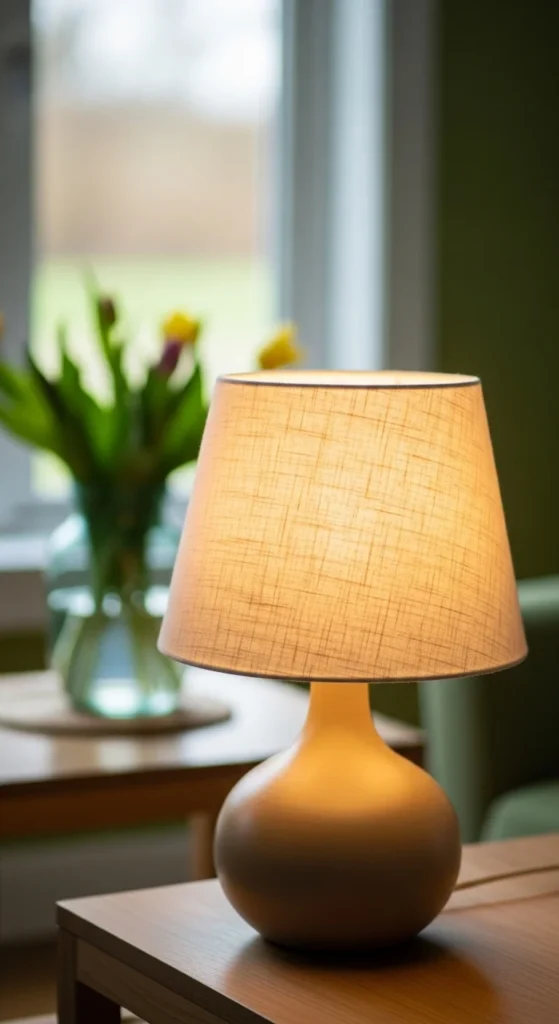
Lampshades affect how light reads in a room. Light fabrics soften the glow.
If replacing shades isn’t possible, clean existing ones well.
Budget tip: Plain shades cost less and last longer.
DIY idea: Cover shades with fabric using spray adhesive.
This subtle change shifts the room’s mood.
21. Keep Color Stories Simple
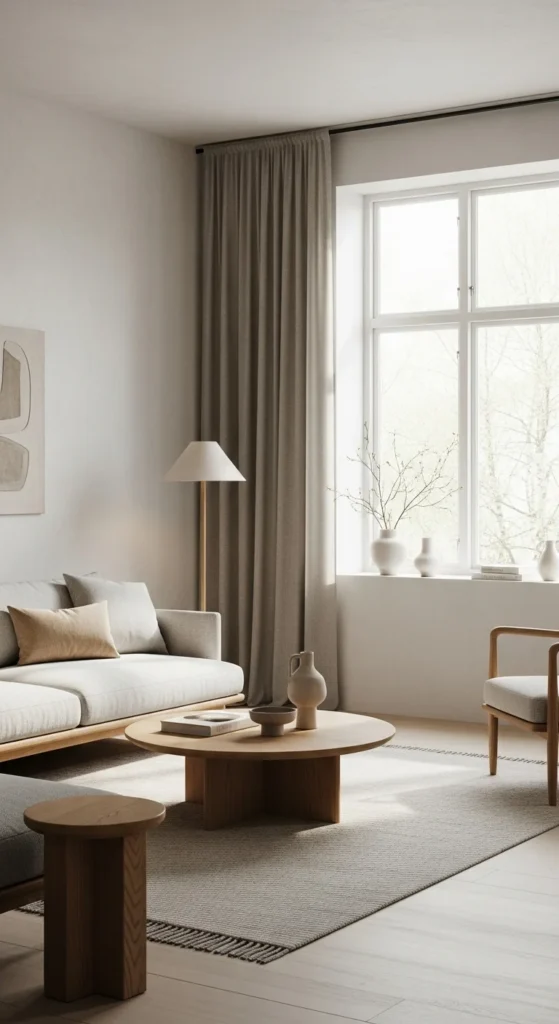
Limit rooms to two or three colors. Too many shades feel scattered.
Neutrals with one soft accent work well.
Budget tip: Edit what you already have instead of buying more.
DIY idea: Group similar colors together visually.
Simple palettes feel calm and considered.
22. Use Seasonal Books as Decor
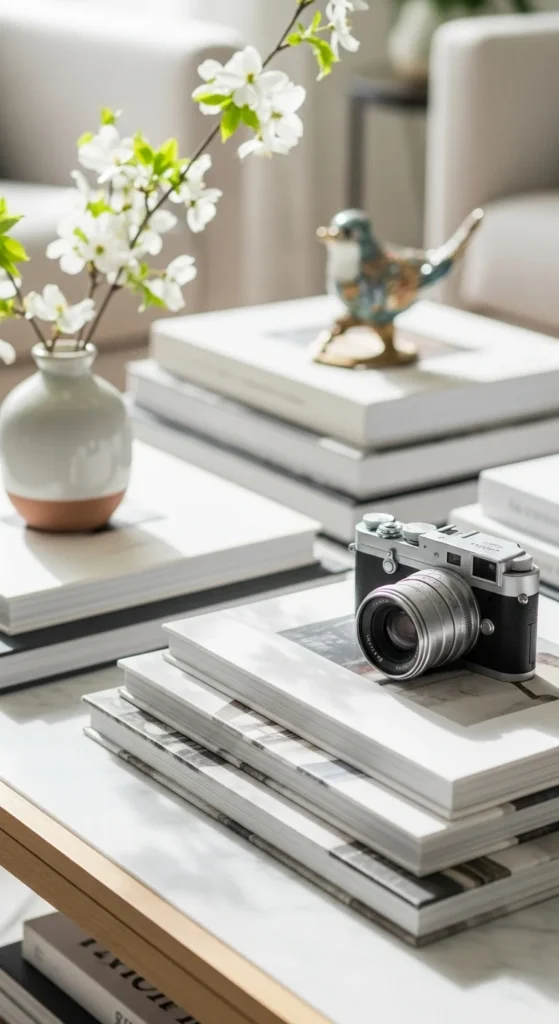
Books with light covers double as decor.
Stack them loosely and keep titles subtle.
Budget tip: Remove dust jackets for a neutral look.
DIY idea: Turn books spine-in for softness.
Books add interest without clutter.
23. Let Windowsills Stay Minimal
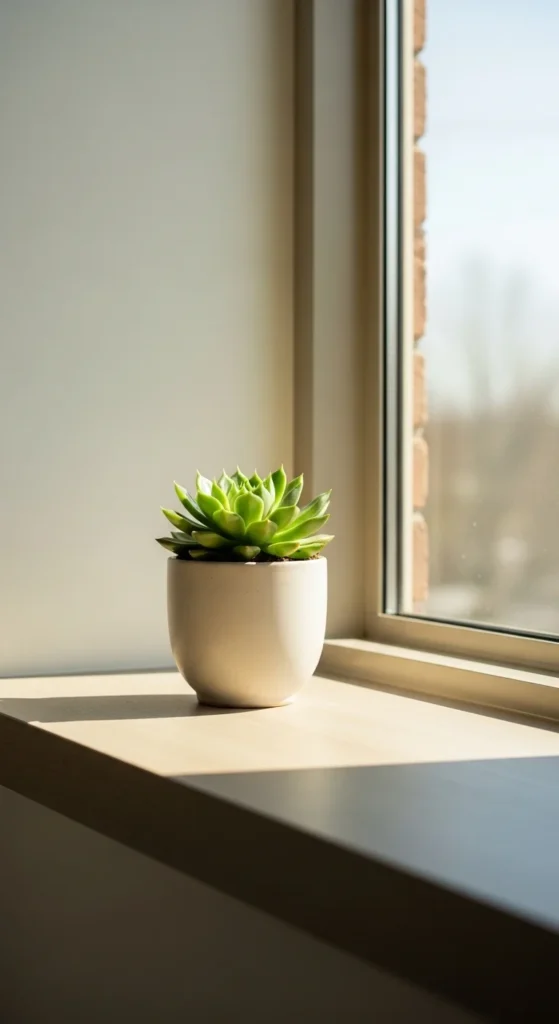
Windowsills benefit from restraint. One item often works best.
Too many objects block light.
Budget tip: Use one plant you already own.
DIY idea: Move extra items elsewhere.
Clear sills highlight natural light.
24. End Rooms with One Grounding Element
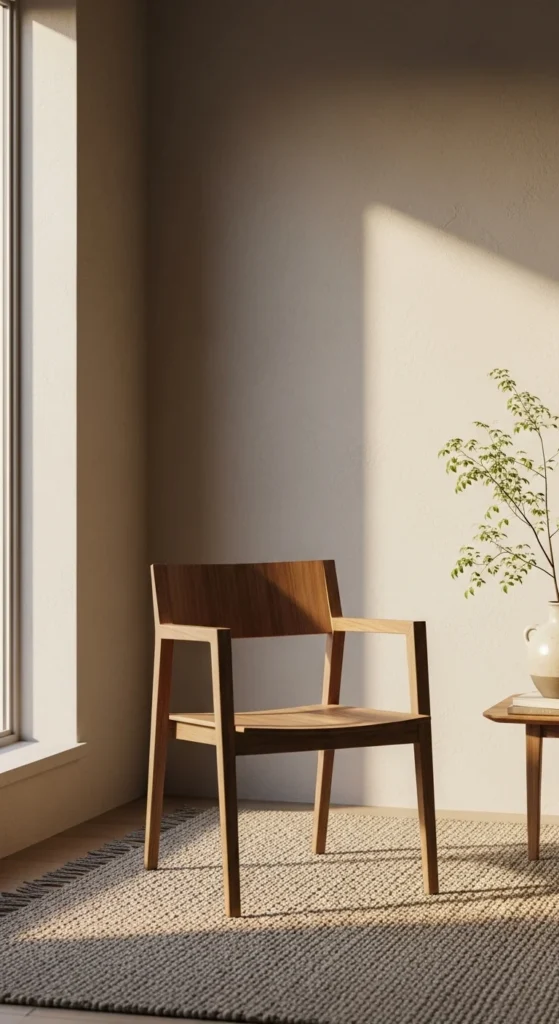
Every room benefits from one grounding piece. A rug, chair, or table anchors the space.
Keep it simple and functional.
Budget tip: Rotate rugs between rooms.
DIY idea: Layer a small rug over a larger neutral one.
Grounding elements keep styling purposeful.
Conclusion
Seasonal spring styling works best when it’s calm, practical, and thoughtful. Small edits, lighter materials, and fewer objects help spaces feel aligned with the season without major spending. Focus on fabric changes, surface edits, and simple layers you can adjust as the weather shifts. When each choice feels deliberate, your home naturally reflects spring in a way that fits real life.
Leave a Reply