

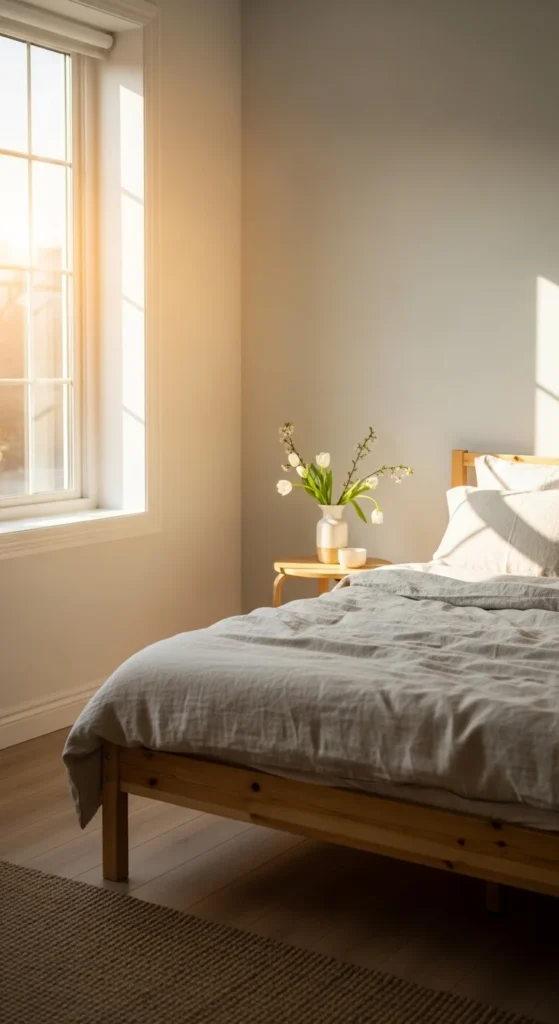
Spring often brings the urge to reset living spaces, especially the bedroom. People look for ways to make their bedrooms feel calmer, lighter, and easier to relax in without major spending. Small updates can change how a room feels at night and how it greets you in the morning. Fabric choices, light control, and simple layout shifts often matter more than buying new furniture. The ideas below focus on practical, affordable ways to refresh a bedroom so it feels restful and comfortable throughout the season.
1. Light Cotton Bedding in Soft Neutrals

Switching to light cotton bedding helps a bedroom feel calmer right away. Cotton allows airflow and feels comfortable for changing spring temperatures. Soft neutral shades such as white, sand, or pale gray reflect daylight and keep the room visually open.
You do not need an expensive bedding set. Flat sheets can double as lightweight duvet covers when folded neatly. Mixing similar tones keeps the bed from looking busy. Washing bedding regularly also helps maintain that clean, inviting look.
If patterns feel tempting, stick to subtle stripes or small textures. Keeping bedding simple helps the rest of the room feel settled and easy to unwind in.
2. Swap Heavy Curtains for Sheer Panels
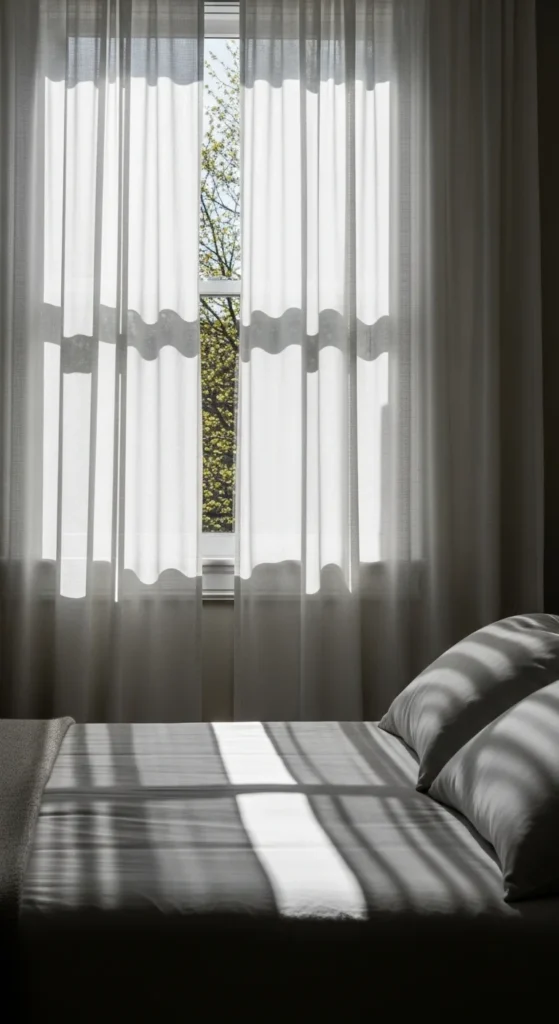
Heavy curtains can make bedrooms feel closed off as daylight increases. Sheer panels allow light to pass through while still offering privacy. This helps the room feel open during the day and gentle in the evening.
Budget-friendly sheer curtains are easy to find. Hanging them wider than the window frame keeps glass exposed. Clip rings allow quick adjustments throughout the day.
If privacy is a concern, layering one sheer panel with a single thicker curtain works well. This keeps flexibility without blocking light when it is not needed.
3. Declutter Nightstands
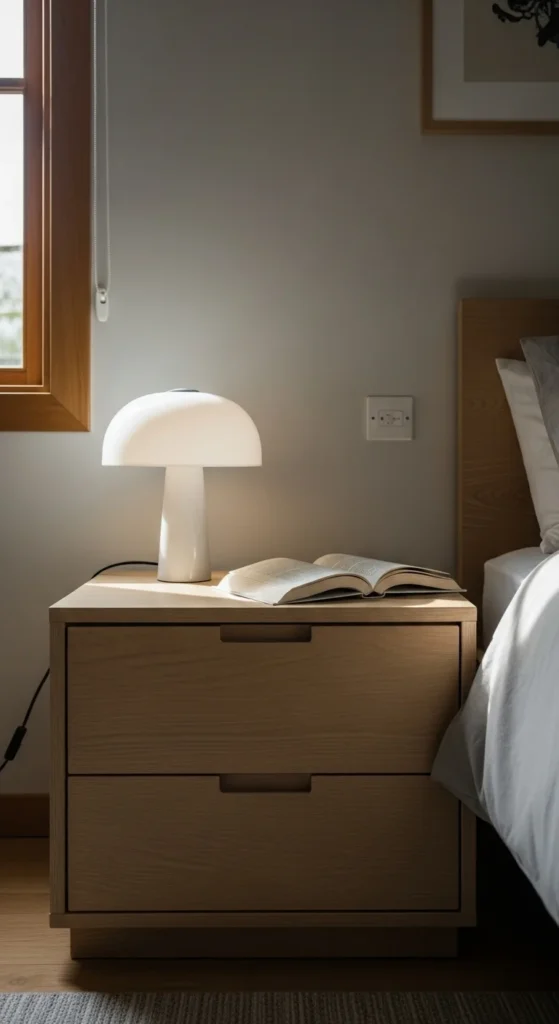
Nightstands often collect items that interrupt a calm atmosphere. Clearing everything except the basics helps the bedroom feel more peaceful. A lamp, one book, and a small tray are usually enough.
Use drawers or baskets to hide chargers and small items. If storage is limited, consider wall-mounted shelves to keep surfaces clear.
A tidy nightstand makes evenings feel slower and mornings less rushed. This simple change costs nothing and has a noticeable impact.
4. Introduce One Soft Throw Blanket

A single lightweight throw adds comfort without clutter. Choose breathable fabric such as cotton or a thin knit. Neutral or muted colors work best for a restful look.
Drape the throw casually at the foot of the bed or over a chair. Avoid layering multiple blankets, which can feel heavy.
Thrift stores often have quality throws at low prices. Washing them well helps them feel new again.
5. Rotate Pillows Instead of Adding More

Too many pillows can make a bed feel crowded. Instead of adding more, rotate what you already own. Swap decorative pillow covers for lighter colors or simpler textures.
Limiting pillows makes bed-making quicker and the room feel more relaxed. Aim for two sleeping pillows and one or two decorative ones at most.
Pillow covers are often inexpensive and easy to change with the season.
6. Use Light-Colored Area Rugs

Light rugs soften floors and brighten bedrooms. Pale tones reflect daylight and help the room feel open. Low-pile rugs are easier to clean and maintain.
If a new rug is not in the budget, rotate an existing one from another room. Even a small rug near the bed adds comfort underfoot.
Keeping rugs simple helps the bedroom feel grounded without visual noise.
7. Rearrange Furniture for Better Flow

Sometimes a refresh only requires moving furniture. Shifting the bed or clearing walking paths can make the room feel calmer. Aim for open space around the bed.
Remove unused chairs or storage pieces if possible. Less furniture allows the room to breathe.
Trying a new layout costs nothing and often changes how restful the room feels at night.
8. Add One Simple Bedside Lamp

Soft lighting supports relaxation. A simple bedside lamp with a warm bulb helps create a gentle atmosphere in the evening.
Matching lamps are not required. Even one lamp on one side of the bed can change the mood. Look for secondhand options to save money.
Avoid overly bright bulbs. Lower light encourages slower routines before sleep.
9. Keep Wall Art Minimal
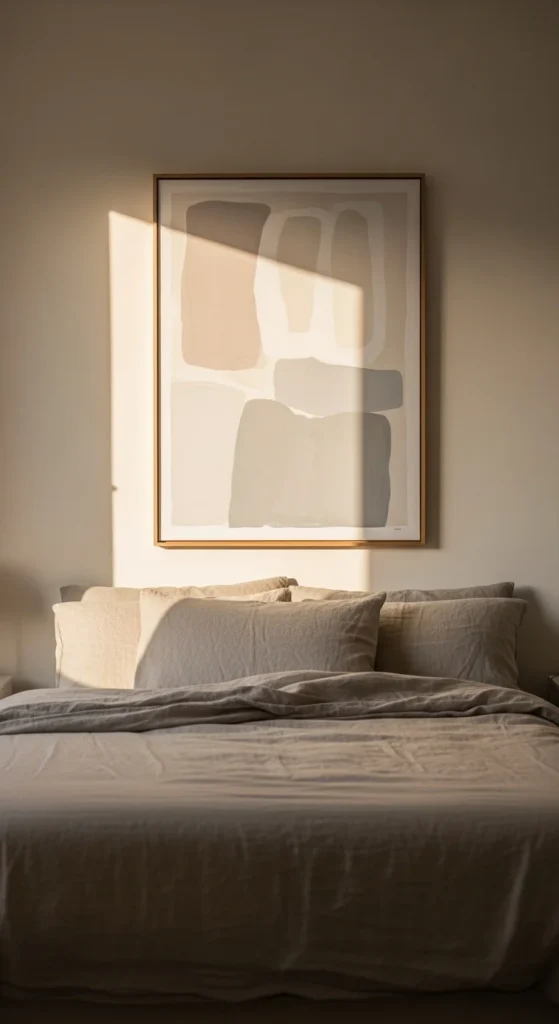
Too much wall decor can feel busy. Limiting art to one or two pieces keeps the room calm. Choose artwork with soft colors or simple imagery.
Frames can be reused and repainted if needed. Even fabric or pressed leaves can work as affordable art.
Minimal wall decor helps the bedroom feel settled and quiet.
10. Choose Neutral Bedside Storage
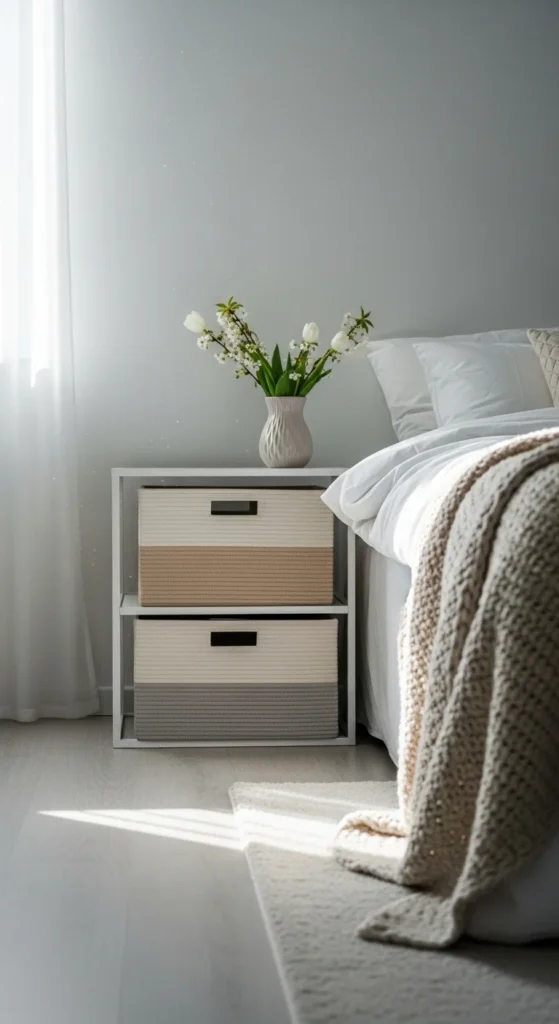
Storage near the bed helps reduce clutter. Neutral baskets or boxes blend into the room rather than standing out.
Use them for books, blankets, or chargers. Keeping items hidden helps the bedroom feel calmer.
Simple storage solutions often cost less than new furniture.
11. Open Windows Daily When Possible
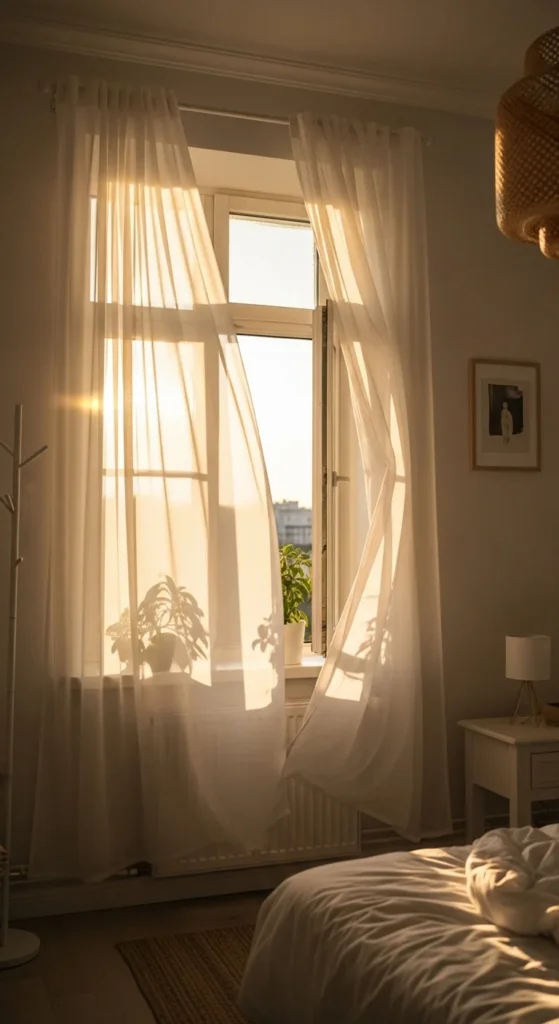
Letting in outside air helps bedrooms feel lighter. Even a short window opening in the morning can change how the room feels.
Pair this habit with light curtains to keep privacy while allowing airflow.
This daily routine costs nothing and supports a calmer space.
12. Switch to Lighter Duvet Inserts

Heavy inserts can feel uncomfortable as temperatures rise. Switching to a lighter option keeps sleep comfortable.
If buying a new insert is not an option, remove one layer from a heavier duvet or use a flat sheet instead.
Comfort improves without extra spending.
13. Limit Scent to One Source
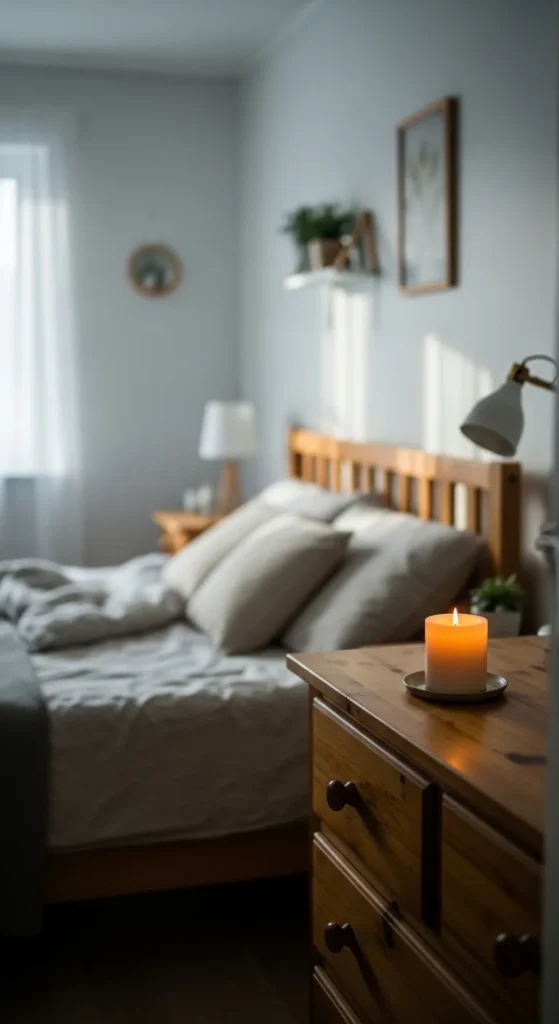
Too many scents can overwhelm a small space. Stick to one candle or diffuser with a light fragrance.
Placing it away from the bed helps keep the scent subtle. Natural scents tend to feel calmer.
Simple scent control keeps the bedroom comfortable.
14. Refresh Curtains with a Simple Wash

Curtains collect dust over time. Washing them can change how the room feels without replacing anything.
Use gentle cycles to protect fabric. Hanging them back slightly damp helps reduce wrinkles.
Clean curtains allow more light and make the room feel lighter.
15. Keep the Floor Clear

Items on the floor disrupt visual calm. Clearing clothes, bags, and shoes makes the room feel more restful.
Use hooks or baskets to keep essentials organized. Even small changes help.
A clear floor supports easier movement and a calmer mood.
16. Use One Plant Only
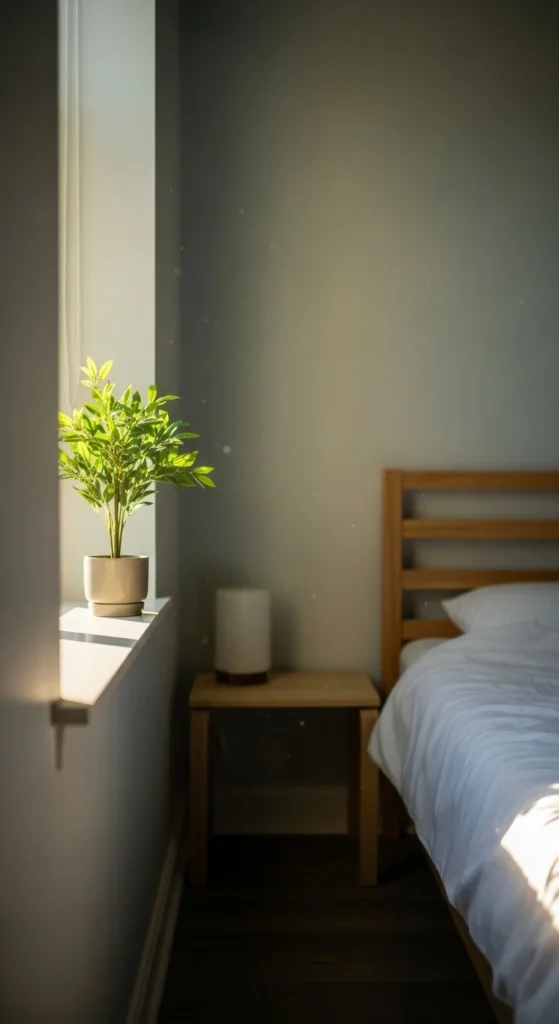
Plants add life but too many can feel distracting. One small plant near a window is enough.
Choose low-maintenance options. Thrifted pots can be repainted for a simple update.
This adds softness without clutter.
17. Neutral Bed Frames Over Bold Styles
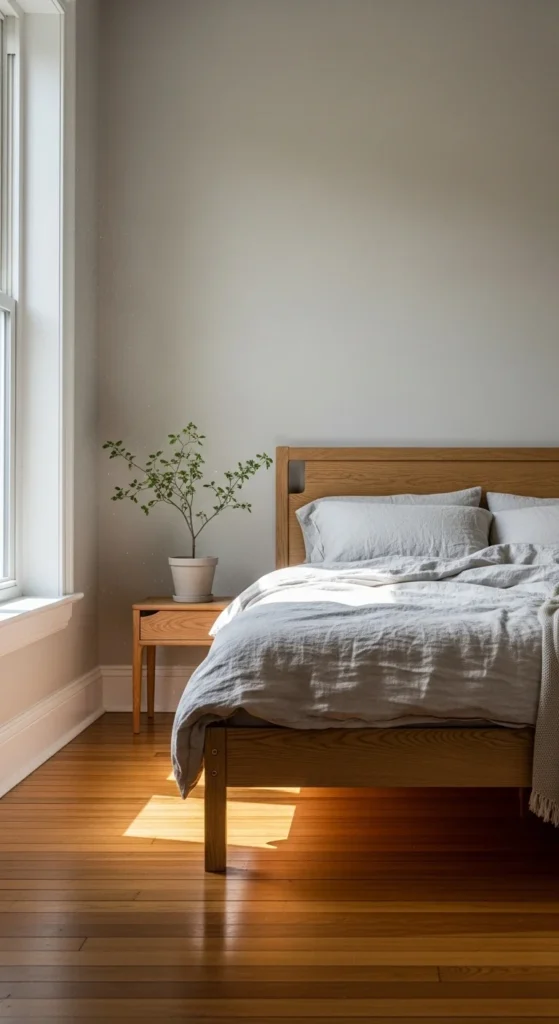
Simple bed frames help keep focus on rest. Wood or metal in neutral tones works well.
If replacing a frame is not possible, covering it with bedding or a bed skirt helps tone it down.
Keeping the bed visually simple supports calm sleep.
18. Reduce Visual Noise on Dressers
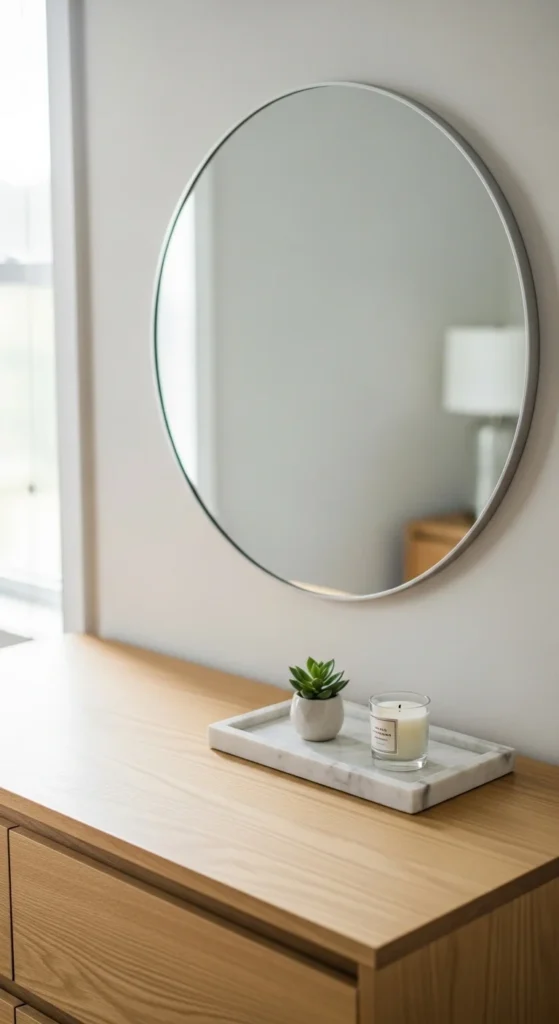
Dressers often become catch-all spaces. Limiting items helps the room feel calmer.
Use trays to group essentials. Store the rest out of sight.
This makes daily routines smoother.
19. Hang Curtains Higher

Hanging curtains closer to the ceiling makes the room feel taller. This also allows more light when curtains are open.
This adjustment requires no new materials if rods can be moved.
A simple change with visual impact.
20. Rotate Seasonal Decor Out
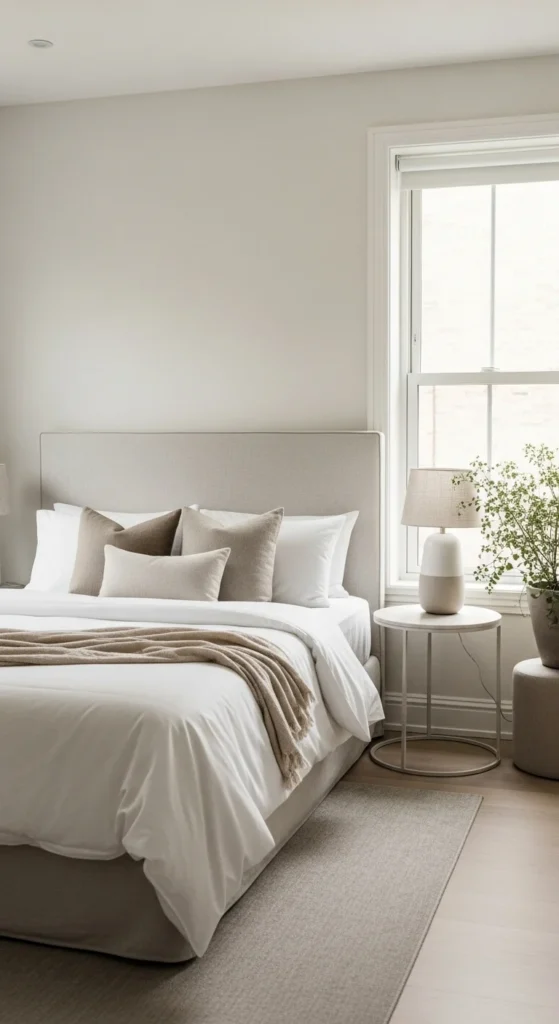
Removing heavy seasonal decor helps reset the room. Store darker items for later use.
Keeping decor minimal supports a restful environment.
Rotation keeps the room feeling intentional.
21. Use Soft Wall Colors

Soft wall colors reflect light and support relaxation. Pale tones work best.
Painting one wall instead of the entire room saves money.
This creates a calmer visual backdrop.
22. Keep Electronics Out of Sight

Visible electronics interrupt rest. Hiding cords and devices helps the bedroom feel calmer.
Use drawers or fabric boxes for storage.
Reducing visual distractions supports better rest.
23. Simplify Bedside Tables
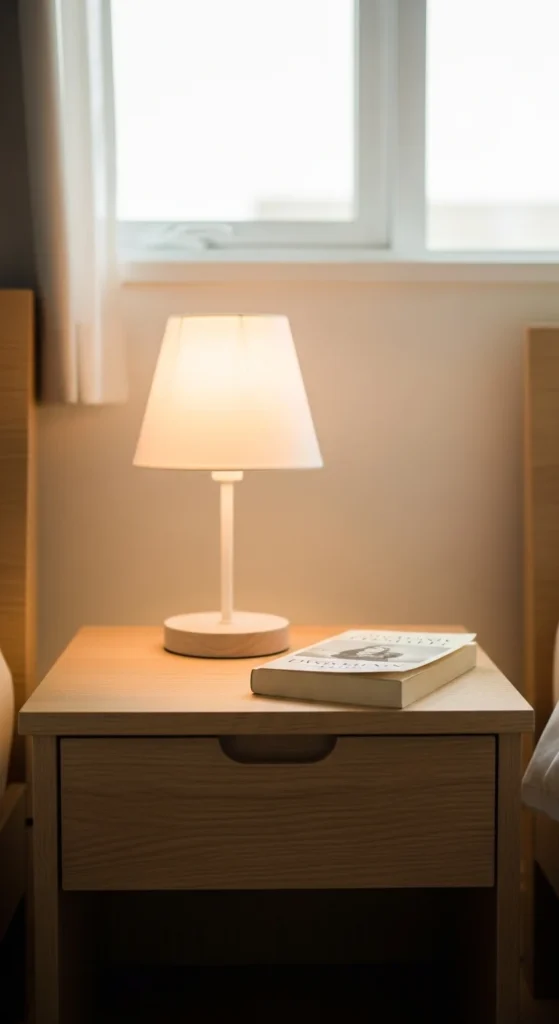
Keeping bedside tables simple supports relaxation. Avoid stacking items.
This makes evenings feel slower and mornings smoother.
A small change with daily benefits.
24. Use Light Artwork or Prints
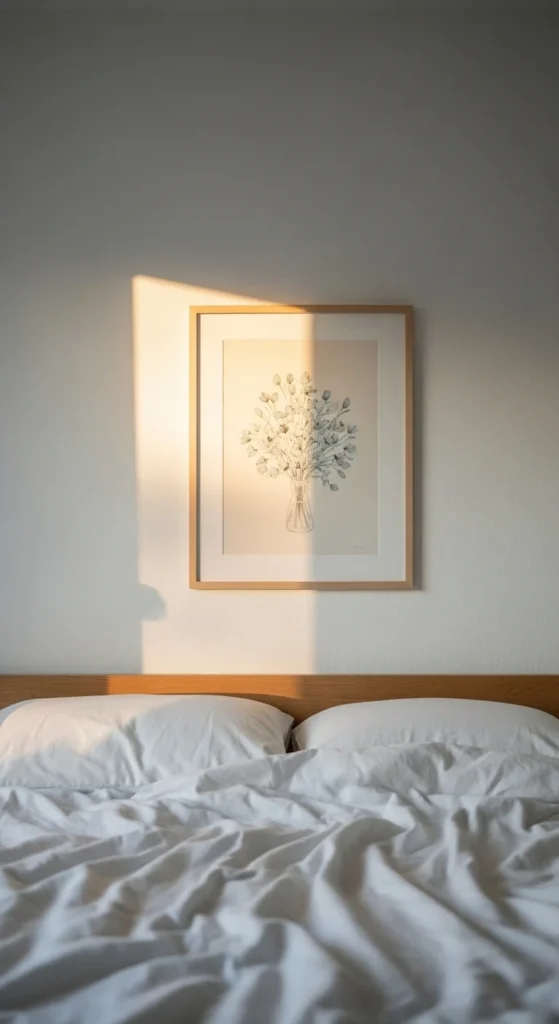
Light artwork keeps walls from feeling heavy. Choose calming imagery.
Printable art offers an affordable option.
Simple visuals support rest.
25. Reset the Room One Area at a Time
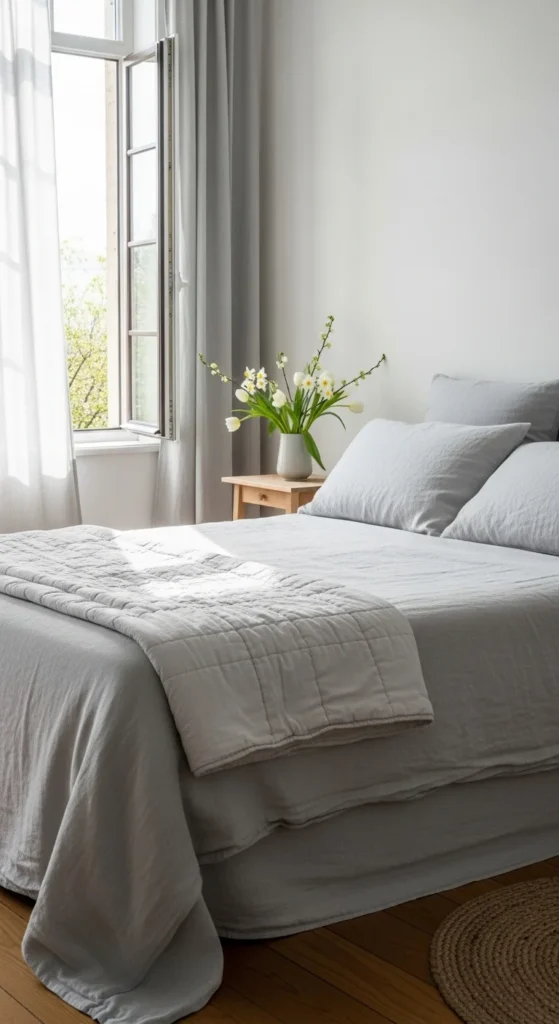
Refreshing the bedroom does not have to happen all at once. Focus on one area, such as the bed or nightstand.
Small steps prevent overwhelm. Gradual updates often feel more sustainable.
Consistency matters more than speed.
Conclusion
A restful bedroom often comes from simple changes rather than major purchases. Light fabrics, fewer items, and thoughtful layout choices help create a calm space that supports daily rest. Trying one idea at a time makes the process manageable and affordable. Over time, these small updates work together to make the bedroom feel more peaceful and comfortable throughout the season.
Leave a Reply