

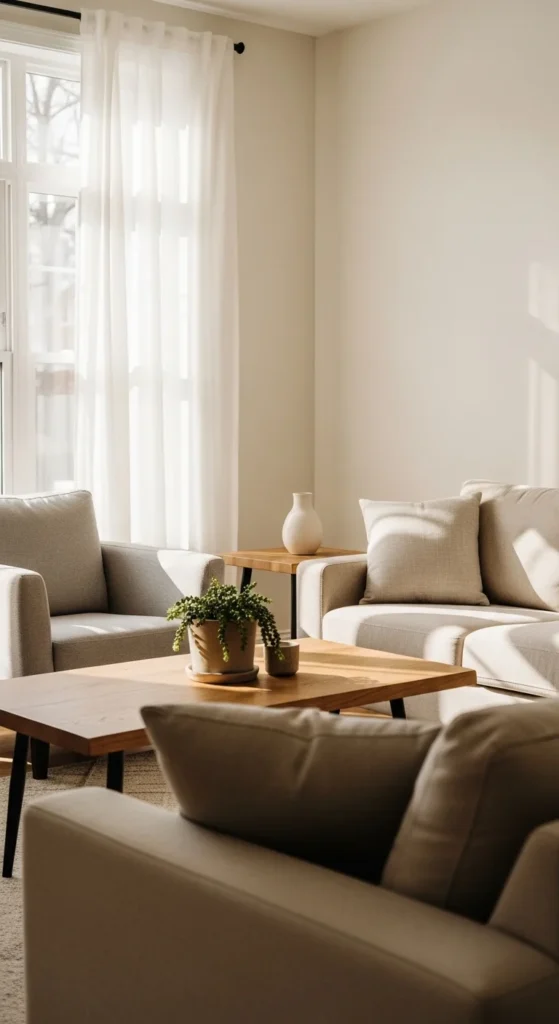
As spring arrives, many people look for ways to calm their homes and reduce visual overload. Clutter often builds up quietly during colder months, making rooms feel busy even when they are clean. Calming decor focuses on space, light, and intention rather than adding more items. Small shifts in layout, storage, and color can help rooms feel quieter and easier to live in. The ideas below focus on practical, affordable ways to reduce visual clutter while keeping your home comfortable and welcoming.
1. Limit Decor to One Surface per Room
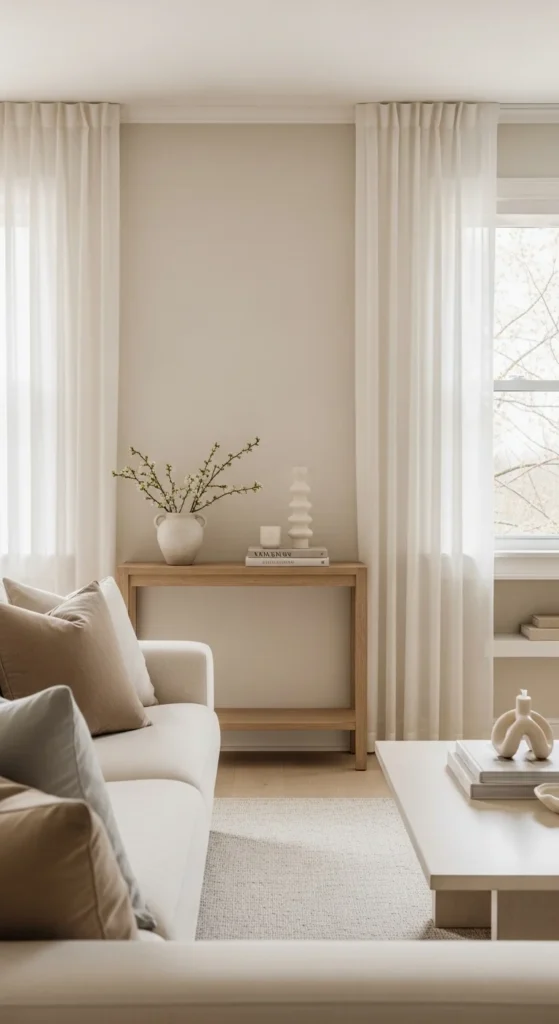
Visual clutter often comes from spreading decor across every surface. Limiting decoration to one main surface helps the eye rest. Choose a console table, shelf, or coffee table and style only that area.
Keep the rest of the room clear. This makes furniture shapes and walkways stand out instead of objects. Even a small room can feel calmer with fewer visual stopping points.
Budget tip: reuse items you already own. Rotate decor from storage rather than buying more. Use a tray to group pieces so they read as one unit instead of many. This approach works especially well in living rooms and bedrooms.
2. Use Matching Storage Containers
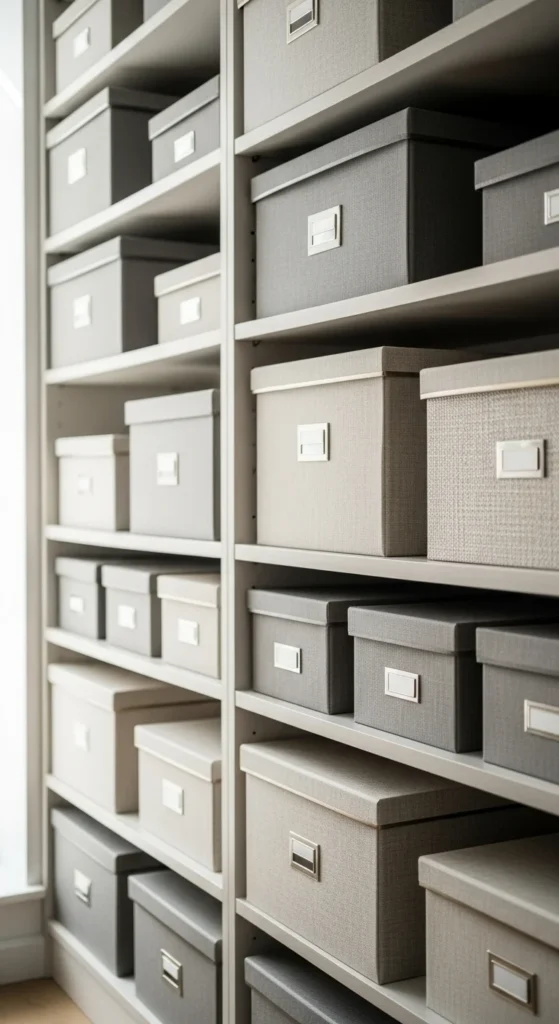
Mismatched storage can feel visually busy even when organized. Matching bins or baskets create a sense of order. Neutral colors such as beige, gray, or soft white blend into the room.
You do not need expensive containers. Simple fabric bins or cardboard boxes wrapped in paper work well. Label the inside if needed so the outside stays clean.
Using the same container style on shelves or inside cabinets helps items disappear visually. This is especially helpful in entryways, offices, and open shelving areas.
3. Clear Floors Completely
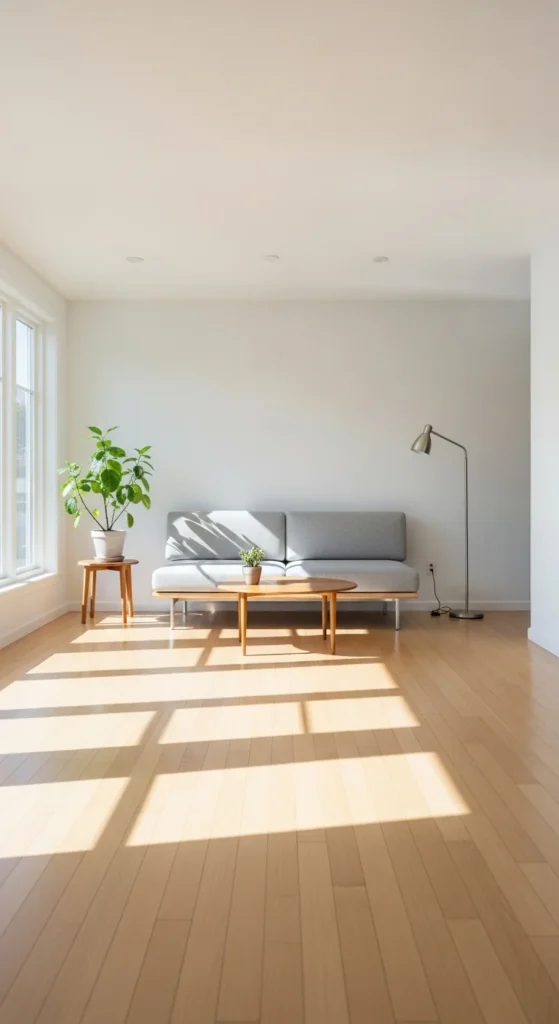
Items on the floor create constant visual noise. Shoes, baskets, and stacks interrupt the flow of a room. Clearing the floor makes spaces feel larger and calmer right away.
Use hooks, wall shelves, or under-bed storage to move items off the floor. Even one cleared corner can change how the room feels.
This step costs nothing and offers immediate results. Clear floors also make cleaning easier, which helps maintain calm over time.
4. Stick to a Narrow Color Palette
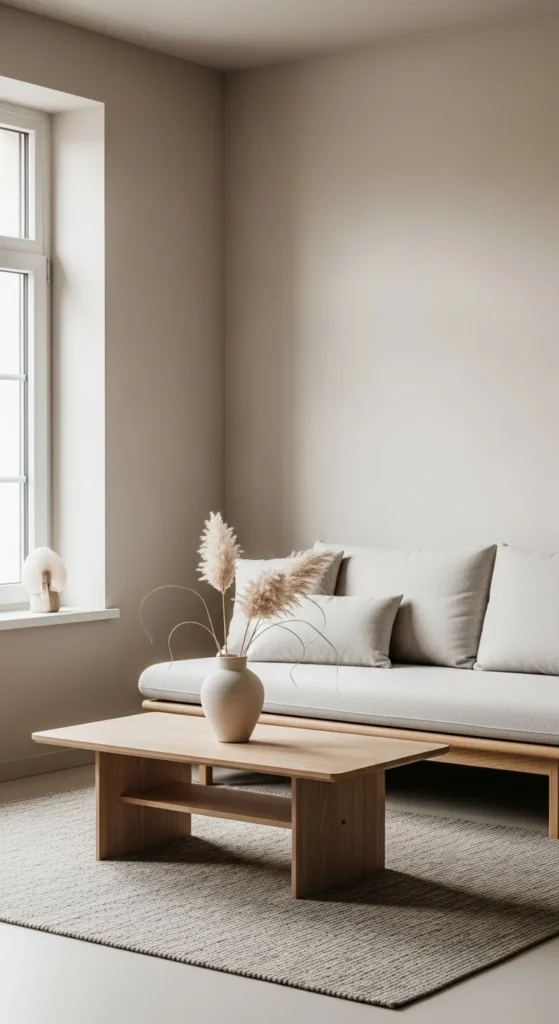
Too many colors compete for attention. Limiting a room to two or three tones helps reduce visual strain. Neutral bases with one soft accent work well.
You do not need to repaint. Swap pillow covers, throws, or art to align colors more closely. Removing one bright item can make a noticeable difference.
A narrow palette allows textures and light to stand out instead of objects.
5. Remove Extra Wall Art
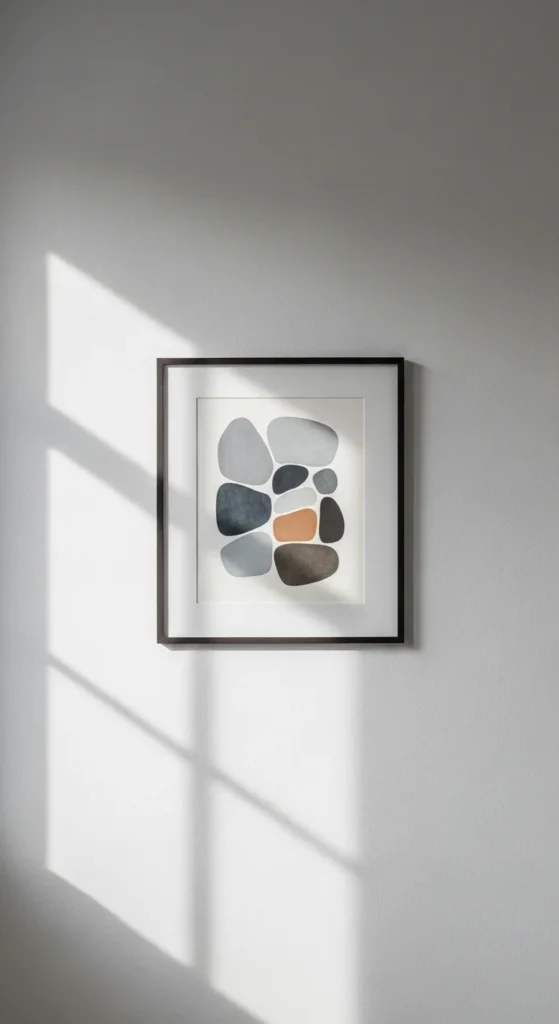
Crowded walls can feel overwhelming. Reducing wall art to one or two pieces per wall helps create breathing room.
Store unused frames instead of discarding them. Rotate art seasonally if you enjoy variety. This keeps walls feeling intentional rather than busy.
Negative space on walls supports a calmer home atmosphere.
6. Choose Furniture with Hidden Storage
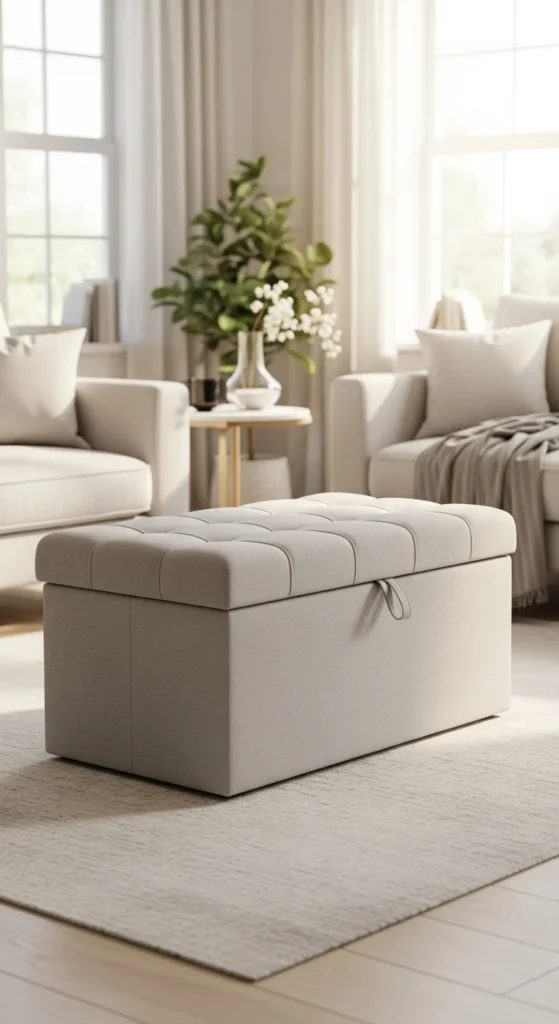
Furniture that hides storage helps reduce visible clutter. Ottomans, benches, and beds with drawers keep items out of sight.
Secondhand furniture often includes storage features at lower cost. Even adding a skirt to a bed can hide under-bed containers.
Hidden storage supports daily habits without visual overload.
7. Simplify Tabletop Styling
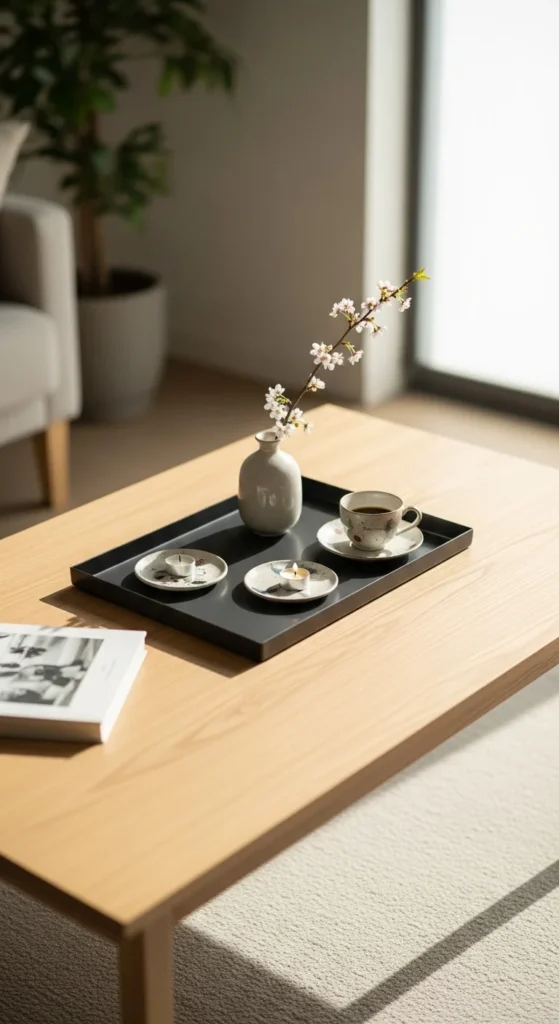
Tables often collect items quickly. Limit tabletop decor to one grouping. A tray with two or three items is usually enough.
Remove items that do not serve a purpose. Leaving space visible helps surfaces feel lighter.
This works well for coffee tables, nightstands, and dining tables.
8. Replace Open Shelves with Closed Storage
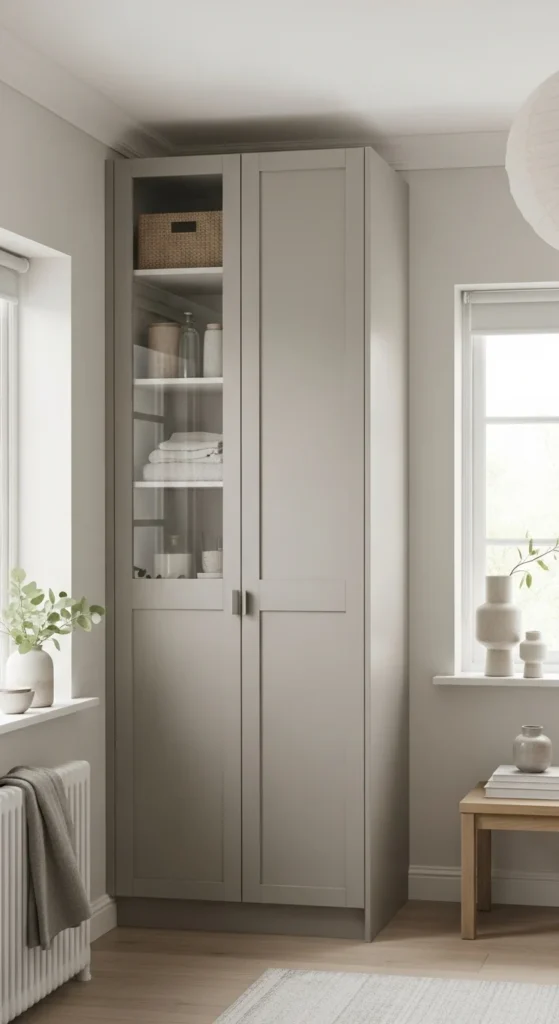
Open shelving requires constant editing. Closed cabinets allow everyday items to stay hidden.
If replacing furniture is not an option, add fabric panels or baskets to shelves. This reduces visual noise without major changes.
Closed storage supports a calmer look with less effort.
9. Use Soft, Solid Textiles
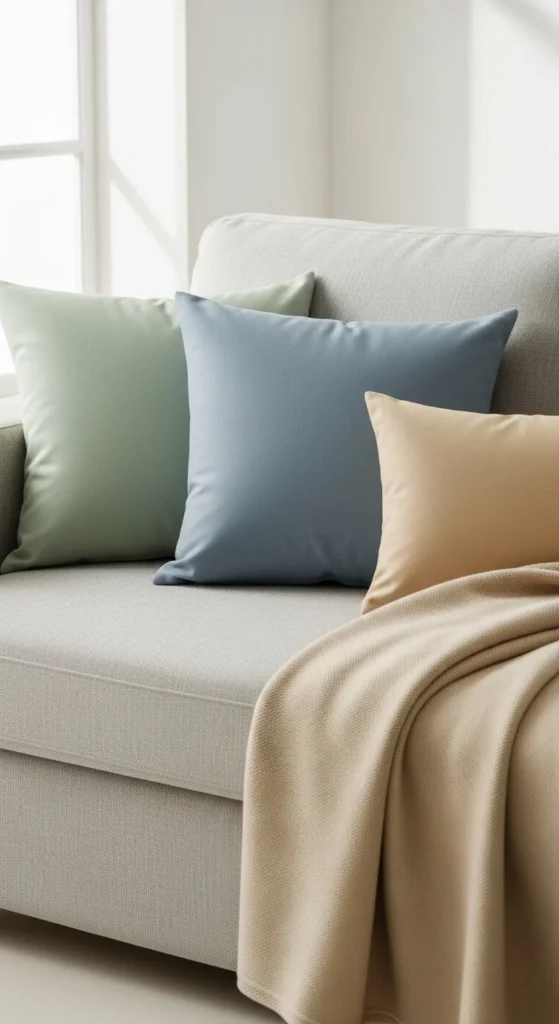
Busy patterns add visual movement. Solid textiles slow the eye and calm a room. Soft textures still add interest without noise.
Swap patterned covers for plain ones. Keep throws folded neatly rather than draped loosely.
Textiles are an easy and affordable update.
10. Remove Excess Furniture
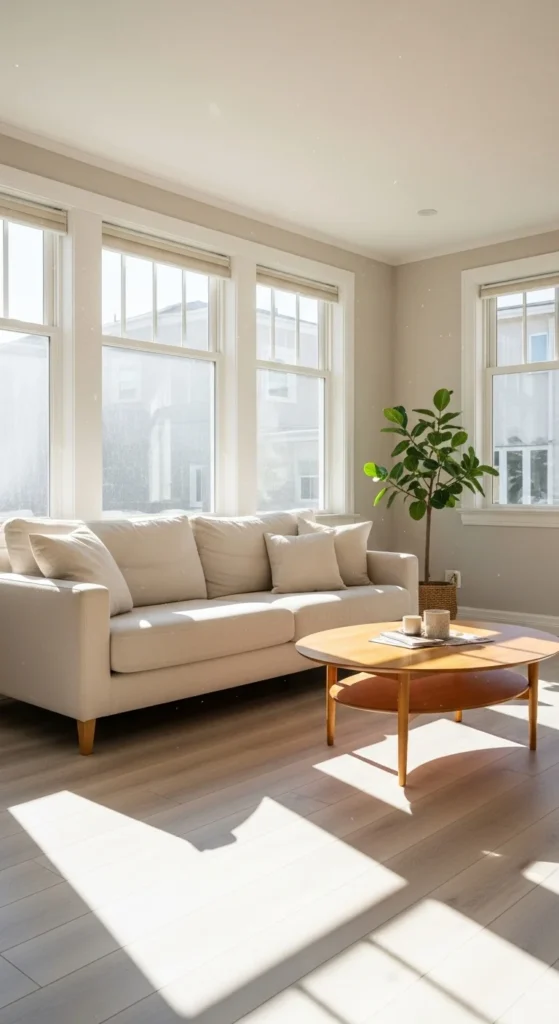
Too much furniture crowds a room visually. Removing one chair or table can improve flow.
Store extra pieces rather than discarding them. Try living with less furniture for a week to see how the space feels.
Open space supports calmer movement and clearer sightlines.
11. Keep Window Areas Clear
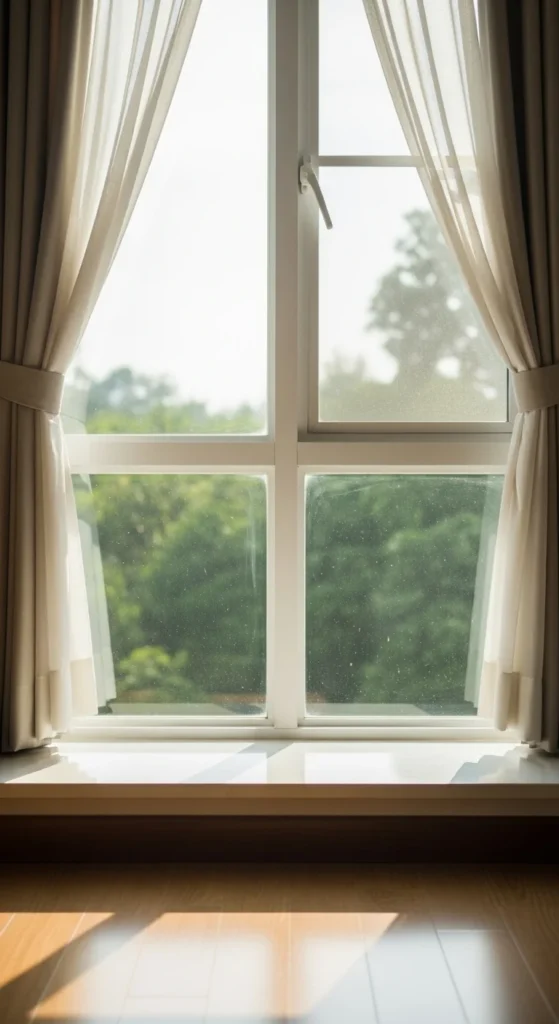
Windows bring light, but cluttered sills block it visually. Clear window areas feel lighter and calmer.
Move plants or decor slightly away from the glass. Use one item at most if decoration is needed.
Clear windows support a calmer mood during the day.
12. Store Small Items in Drawers
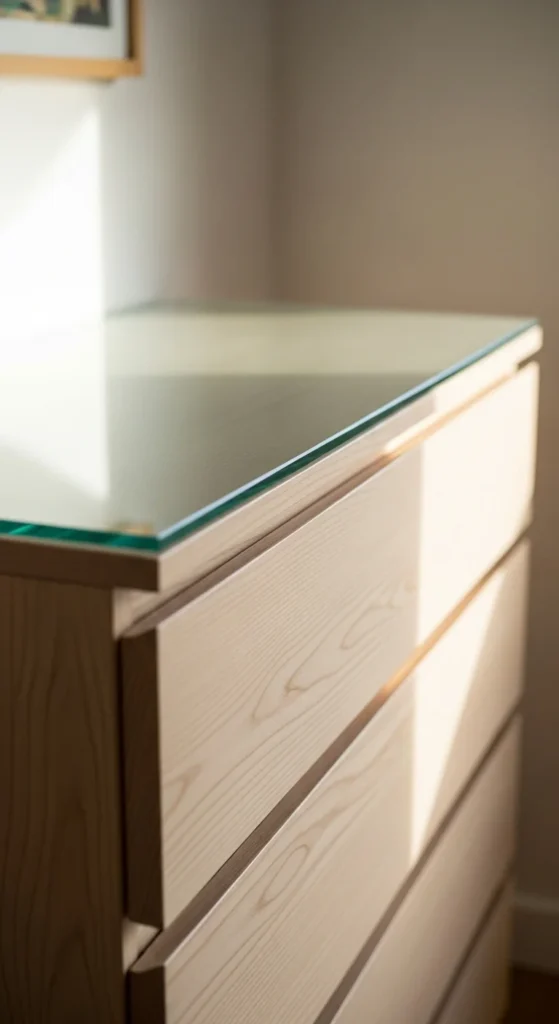
Small items add up visually. Storing them in drawers keeps surfaces clear.
Drawer dividers can be made from cardboard to keep items organized. This avoids buying new storage.
Clear surfaces feel calmer and easier to maintain.
13. Choose Low-Profile Decor
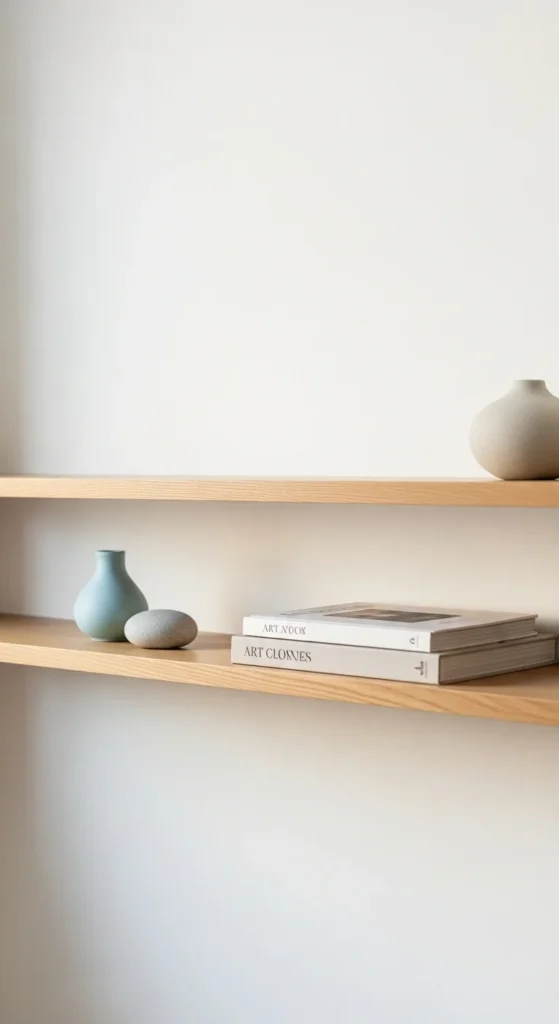
Tall decor creates visual breaks. Low-profile pieces keep sightlines smooth.
Choose shallow bowls, short vases, or flat trays. This works especially well on shelves and tables.
Lower visual height reduces clutter perception.
14. Group Items in Odd Numbers
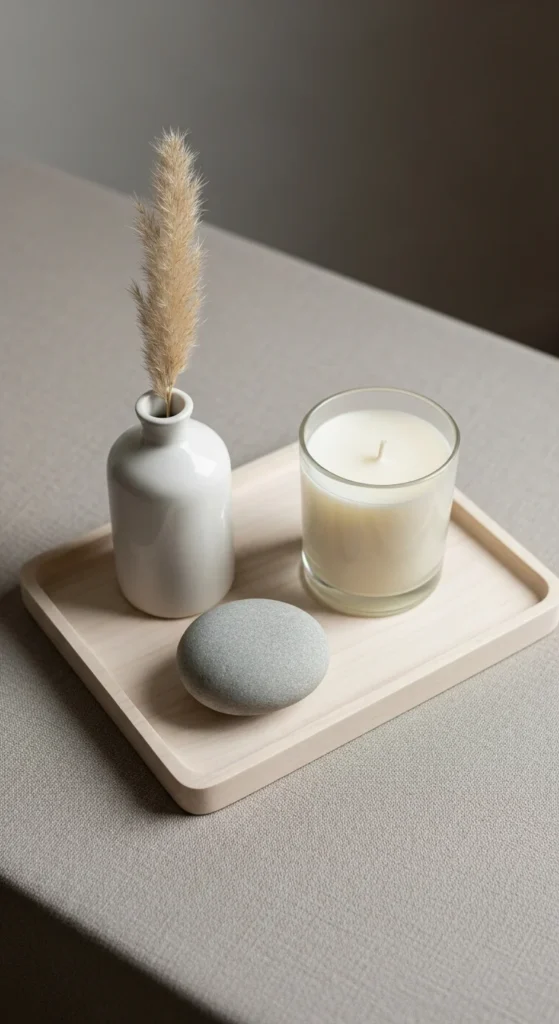
Loose items feel scattered. Grouping them creates structure. Odd numbers tend to feel more balanced visually.
Use trays or books as bases. Keep groups small to avoid crowding.
Grouping helps items read as one element.
15. Hide Cords and Electronics
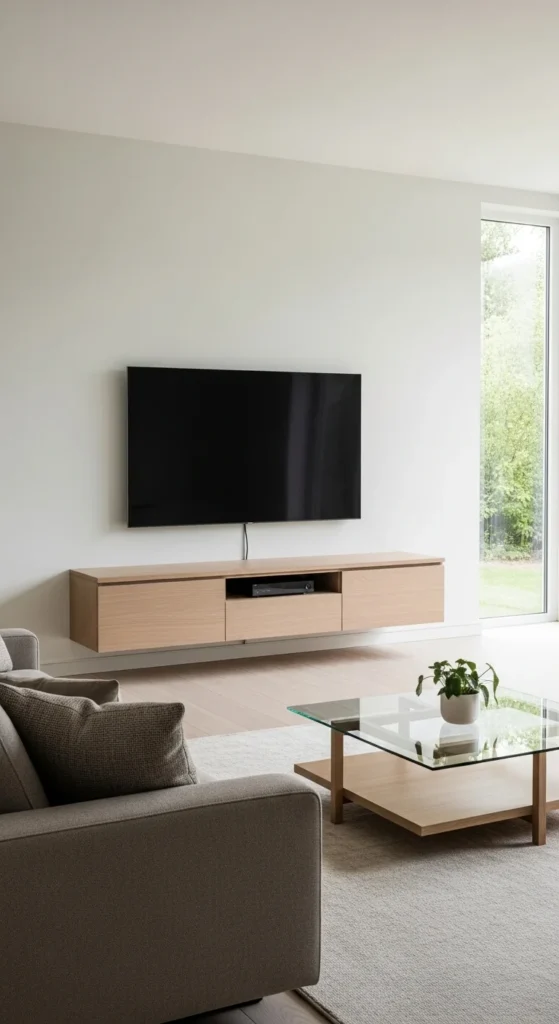
Cords add visual clutter quickly. Use boxes, clips, or furniture placement to hide them.
Store remotes in drawers or baskets. Keep charging stations out of main sightlines.
Reducing electronic clutter supports calmer rooms.
16. Limit Decorative Objects per Shelf
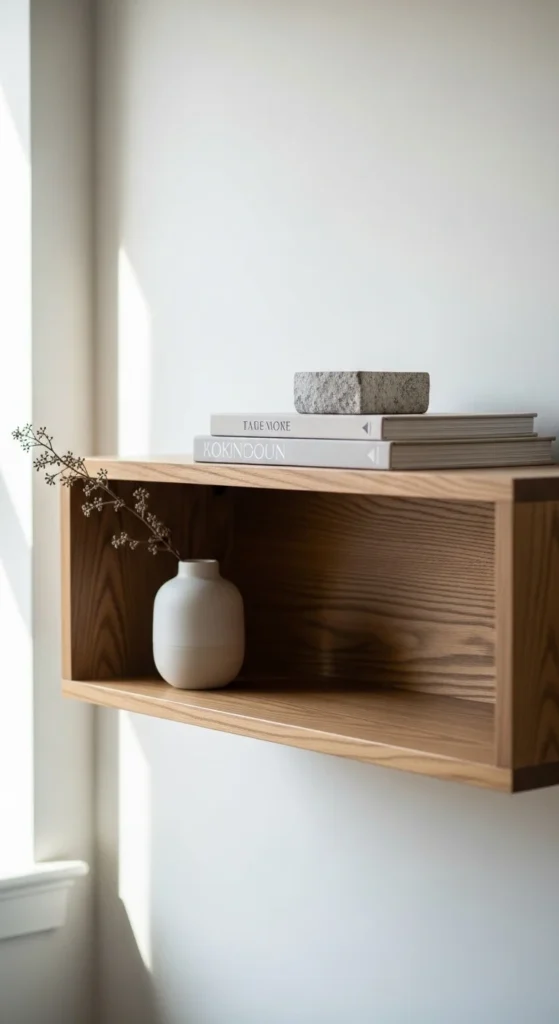
Crowded shelves feel busy. Limiting items per shelf gives each piece space.
Try removing half the items and reassess. Often, less feels better.
Open space is part of the decor.
17. Choose Neutral Artwork
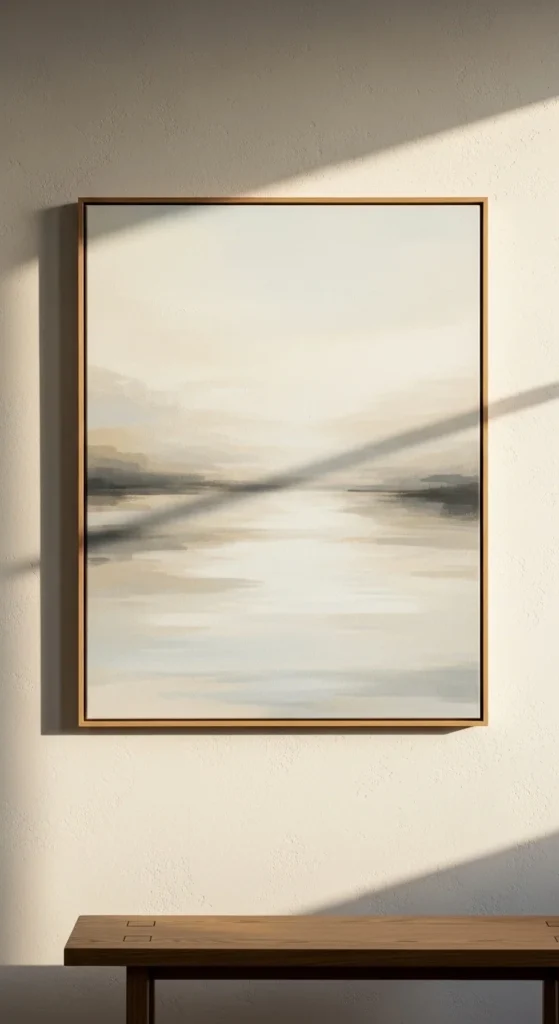
Bright art draws attention. Neutral artwork blends more easily into the room.
Simple shapes and muted tones support calm. Printable art offers a low-cost option.
Artwork should support the room, not dominate it.
18. Use One Statement Piece Only
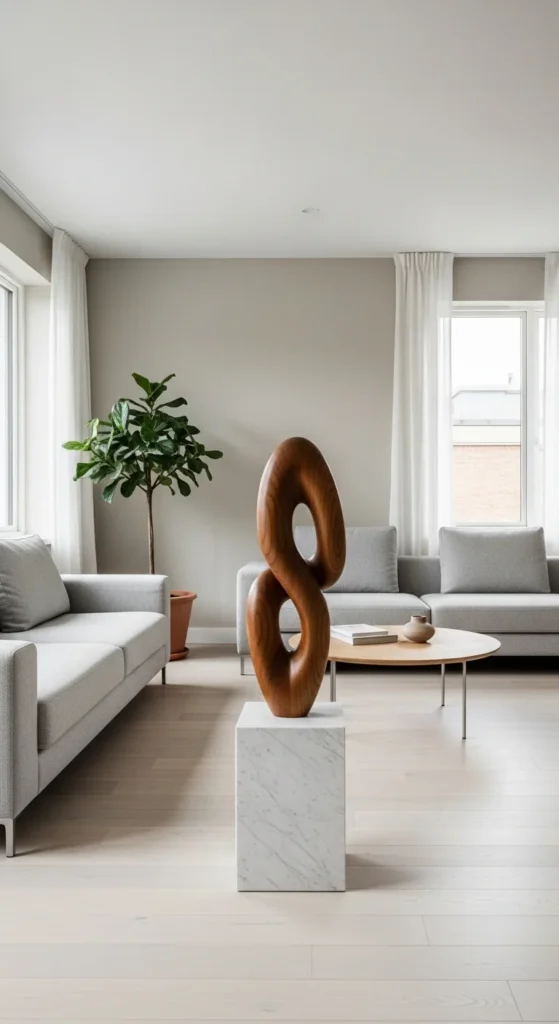
Too many focal points create chaos. Choose one statement piece per room.
Let everything else remain simple. This helps the eye settle.
Statement pieces stand out more when surrounded by calm.
19. Keep Entryways Simple
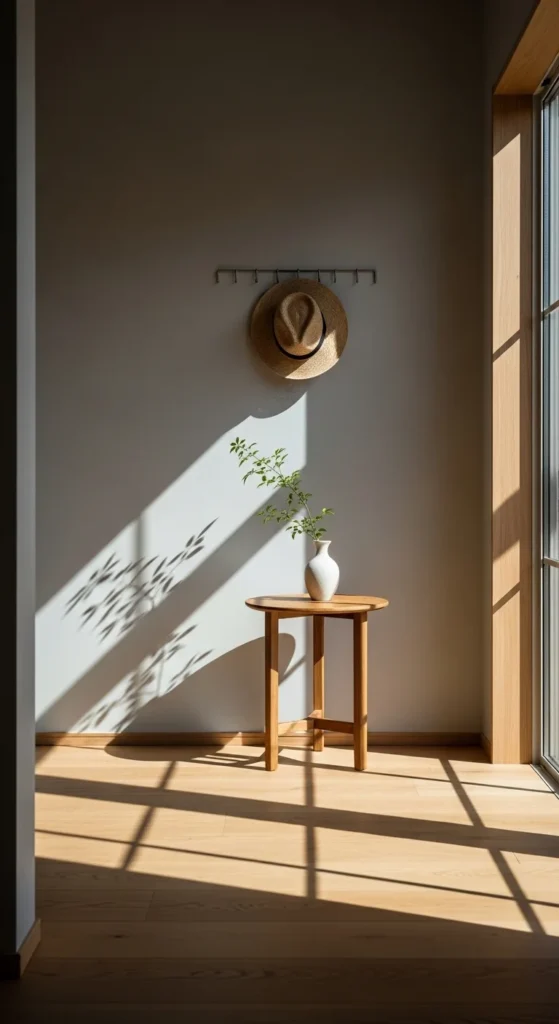
Entryways collect clutter quickly. Limiting items here sets the tone for the home.
Use one tray or hook area. Store extras elsewhere.
A calm entry helps the whole home feel calmer.
20. Reduce Pattern Mixing
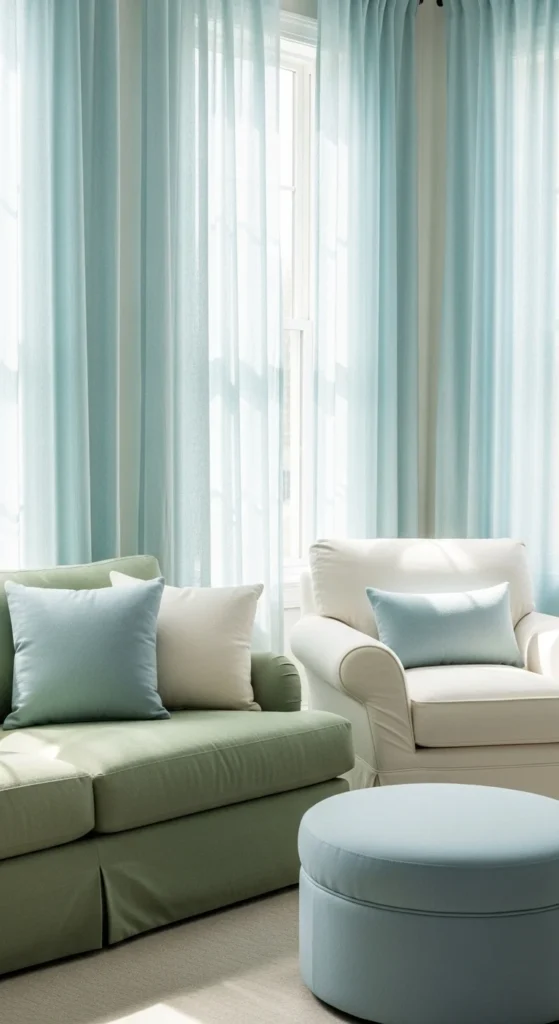
Mixing many patterns creates movement. Reducing pattern variety slows the visual pace.
Keep one pattern if desired and let everything else stay solid.
This creates visual rest.
21. Use Clear or Matte Decor
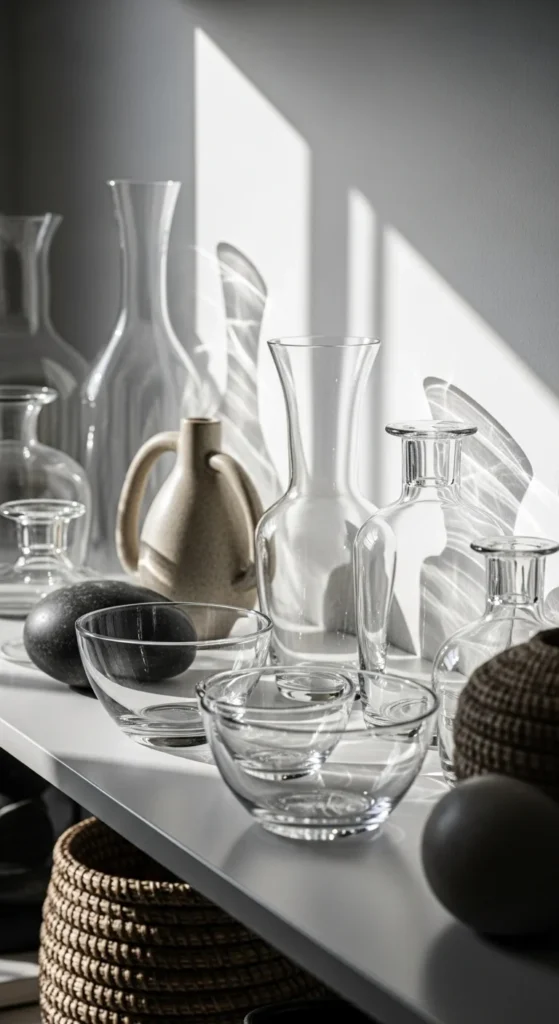
Glossy items reflect light and draw attention. Clear or matte finishes feel quieter.
Glass, ceramic, and wood work well.
These materials reduce visual weight.
22. Edit Seasonal Decor Ruthlessly
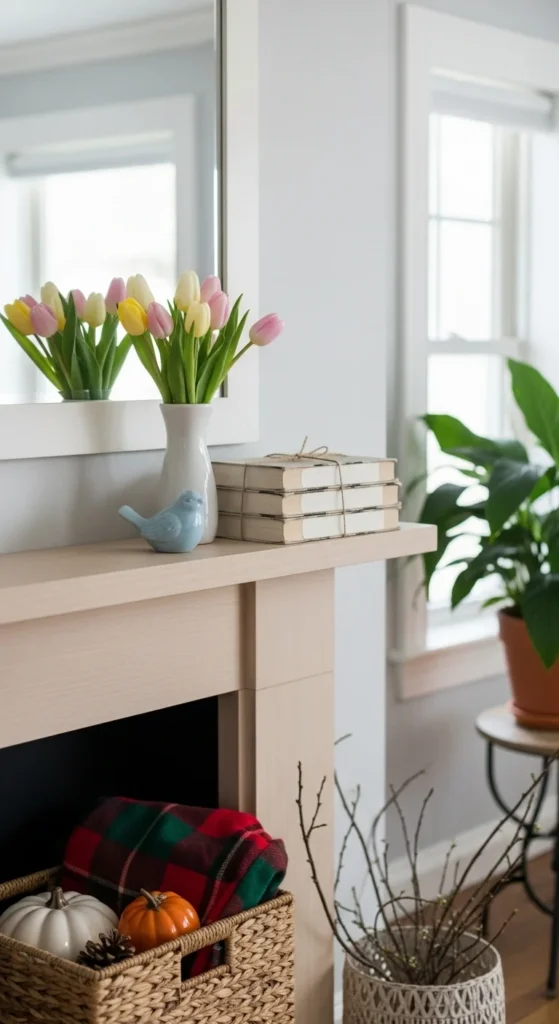
Seasonal items can pile up. Display only a few favorites.
Store the rest for later. This keeps decor intentional.
Less seasonal clutter supports calm.
23. Create Empty Corners
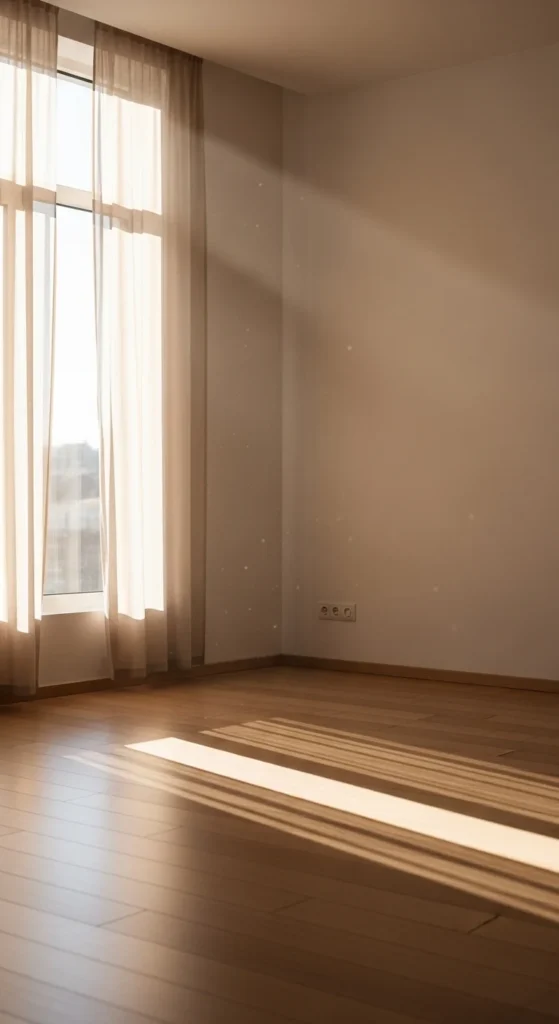
Empty corners give the eye rest. Not every space needs filling.
Leaving some areas open makes the room feel balanced.
This costs nothing and feels intentional.
24. Reset One Area Each Week
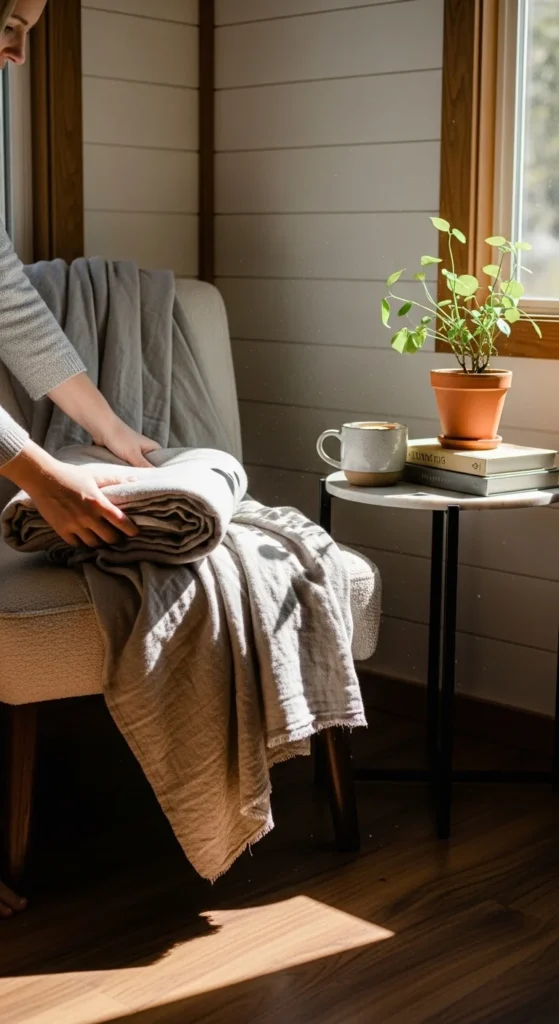
Trying to calm the whole home at once can feel overwhelming. Focus on one area per week.
Slow progress leads to lasting results. Small resets add up over time.
Consistency helps maintain calm spaces.
Conclusion
Reducing visual clutter often comes from editing rather than adding. By focusing on space, simplicity, and thoughtful storage, rooms can feel calmer and easier to enjoy during spring. Small, affordable changes made gradually help create a home that feels balanced and comfortable every day.
Leave a Reply