

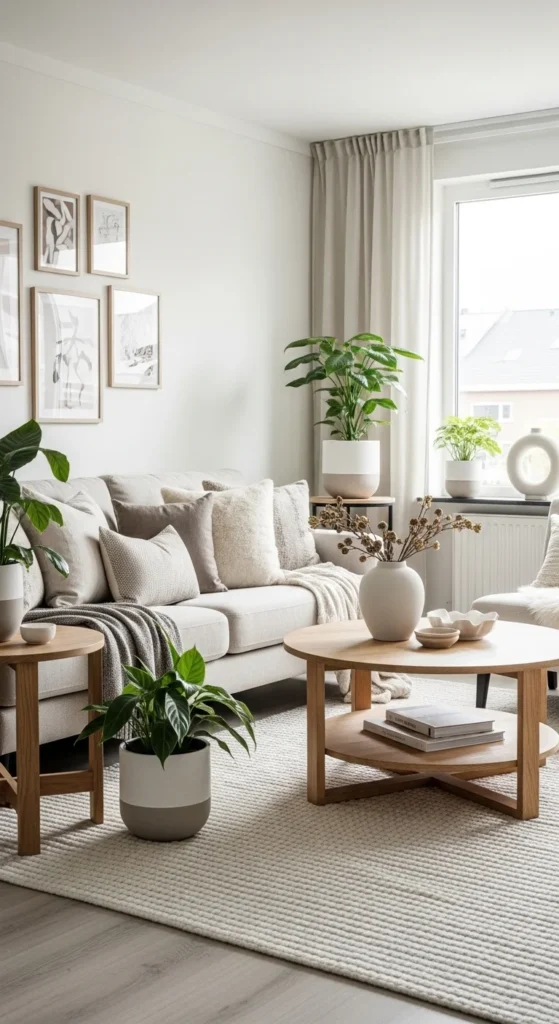
Spring home styling often aims for one clear outcome: spaces that feel calm, intentional, and well put together. A professional-looking home is not about expensive furniture or constant updates. It comes from balance, spacing, color restraint, and thoughtful placement. The ideas below focus on simple styling moves that create a polished result without hiring a designer. Each one is practical, budget-aware, and easy to apply in real homes of all sizes.
1. Neutral Base Color Reset
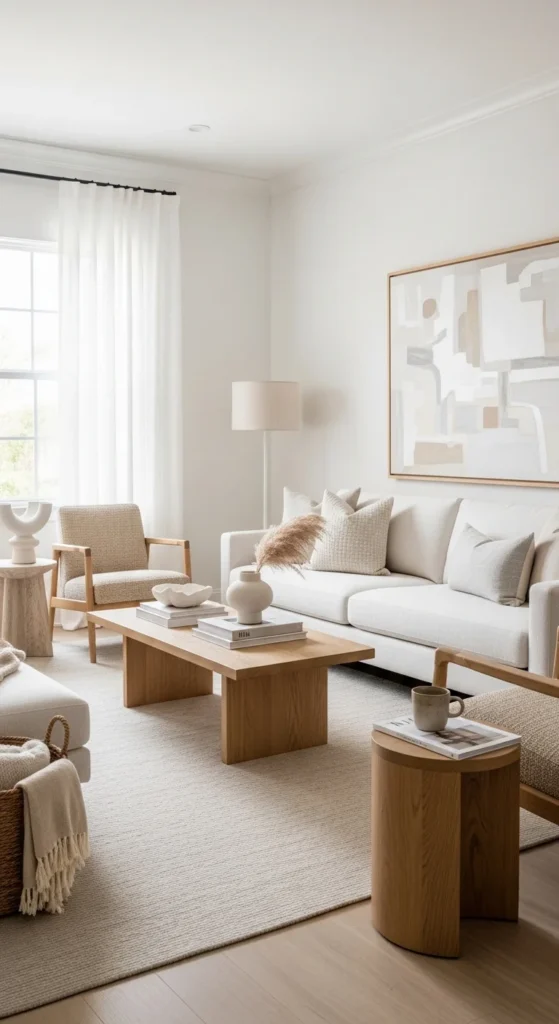
A neutral base is one of the fastest ways to make a home look professionally styled. Light walls, soft furnishings, and simple furniture tones create visual calm. This does not mean everything must be white. Warm beige, soft gray, or muted taupe work just as well.
If repainting feels expensive, focus on what you can change. Slipcovers, pillow covers, and throws are affordable and easy to swap. Even changing one dominant color can shift the entire room.
Keep bold colors limited to small accents. This helps the space feel intentional rather than busy. Professionals rely on restraint more than variety.
Once your base feels settled, styling becomes easier. Almost everything pairs well with neutrals, which saves money long-term.
2. Balanced Furniture Spacing
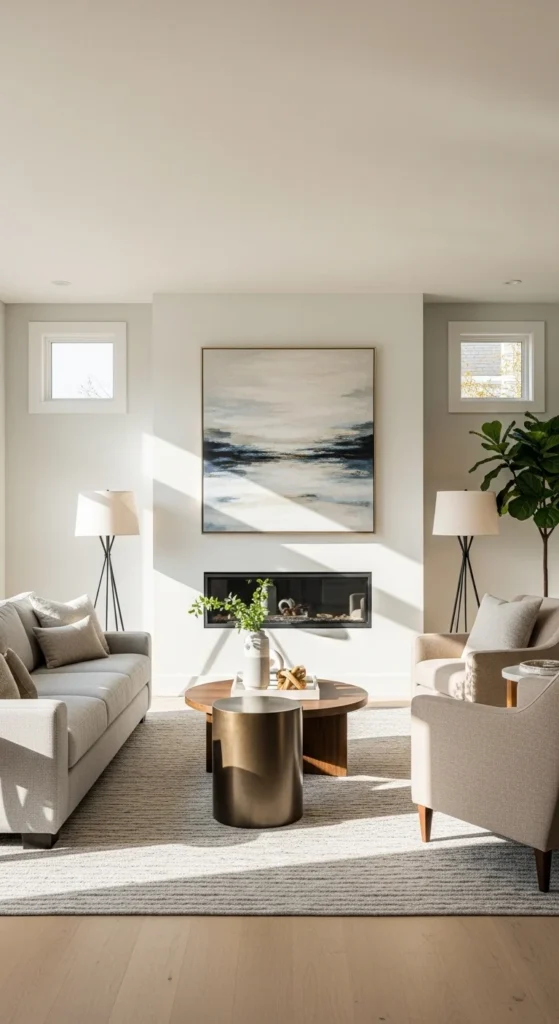
Professional spaces always feel easy to move through. That comes from spacing, not furniture size. Pull furniture slightly away from walls when possible. Even a few inches can change how a room feels.
Avoid pushing everything into corners. This often makes rooms feel smaller. Instead, group furniture into clear zones, such as seating or reading areas.
If space is tight, remove one unnecessary piece. Fewer items almost always look better than too many. Clear walkways help the room feel organized.
Take photos of your layout. This helps you spot crowding that is easy to miss in person.
3. Consistent Wood Tones
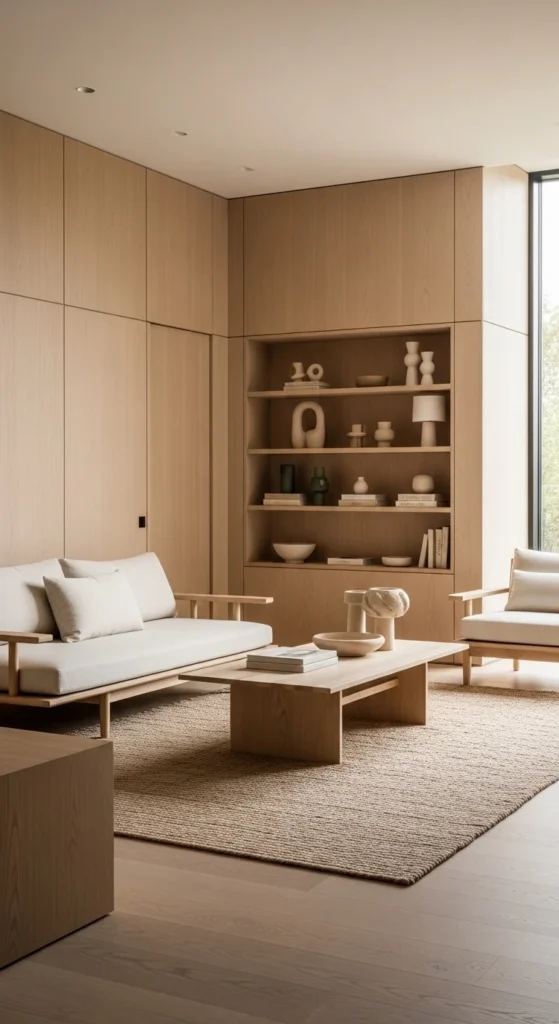
Matching wood tones create visual harmony. You do not need exact matches, just similar warmth or lightness. Mixing too many tones can feel scattered.
If replacing furniture is not an option, balance existing pieces with decor in similar finishes. Trays, frames, or stools help tie things together.
Paint can also help. A quick coat on small items can bring unity without big spending.
Professionally styled homes often repeat materials quietly across rooms. This creates flow without effort.
4. Layered Lighting Setup
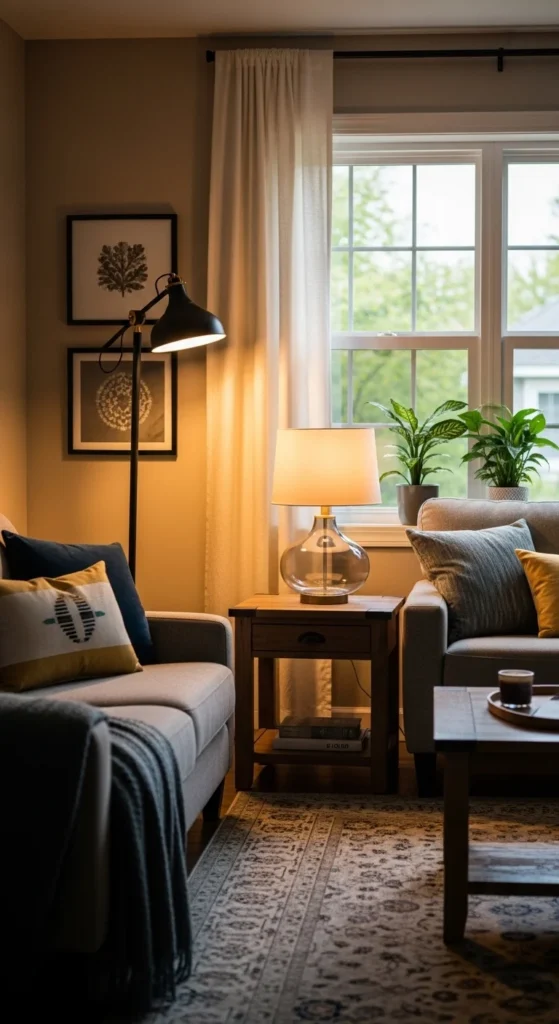
One overhead light rarely looks polished. Layered lighting changes everything. Combine floor lamps, table lamps, and window light for balance.
Use warm bulbs to soften the room. Lamps with fabric shades help diffuse light and reduce harsh shadows.
Secondhand lamps are easy to update. A new shade can completely change the look for little cost.
Turn off overhead lights in the evening. This simple habit makes spaces feel styled and calm.
5. Simple Window Treatments
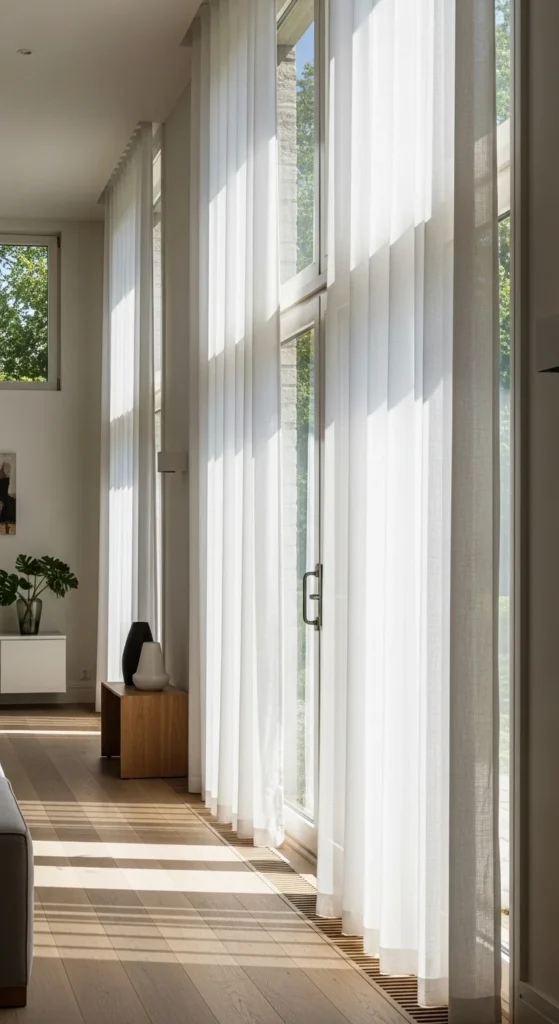
Window treatments frame a room. Simple panels in light fabrics look clean and professional. Hang them higher than the window to add height.
Avoid heavy patterns. Solid colors or subtle texture work best. White, cream, or soft gray are safe options.
If custom curtains are out of reach, use standard panels and adjust length with hemming tape.
Even one well-dressed window can improve the entire room.
6. Intentional Coffee Table Styling
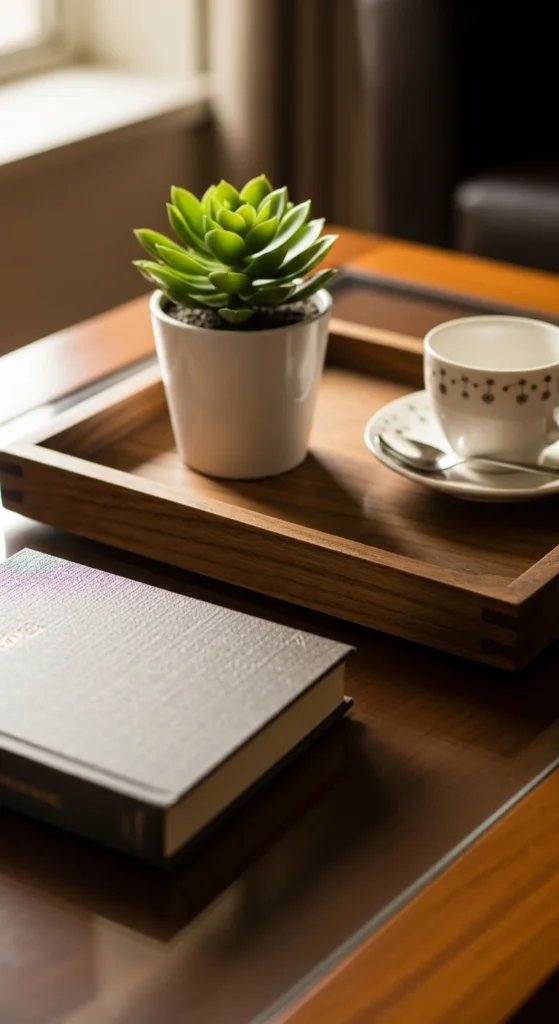
Professional coffee tables follow a rule of three. One tray, one book, one object. This keeps things tidy and balanced.
Choose items with different heights. This adds visual interest without clutter.
Use books you already own. Neutral covers or turned spines work well.
Leave space empty. Open space is part of good styling.
7. Thoughtful Wall Art Placement
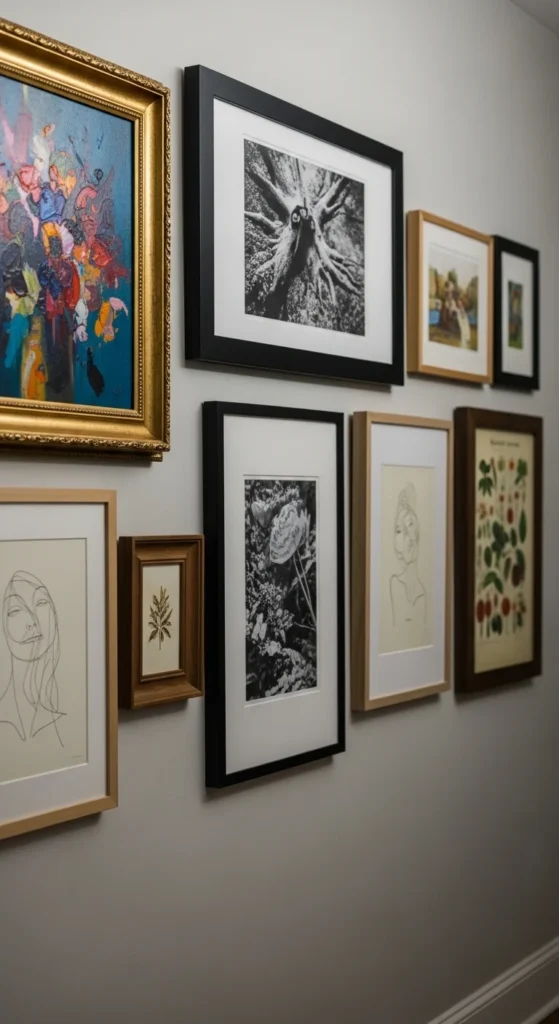
Art hung too high is a common mistake. Center pieces at eye level for a clean look.
Group smaller frames with consistent spacing. This creates structure without strict symmetry.
Printable art is an affordable option. Pair it with simple frames for a clean finish.
Avoid filling every wall. Fewer pieces placed well look more intentional.
8. Controlled Color Accents
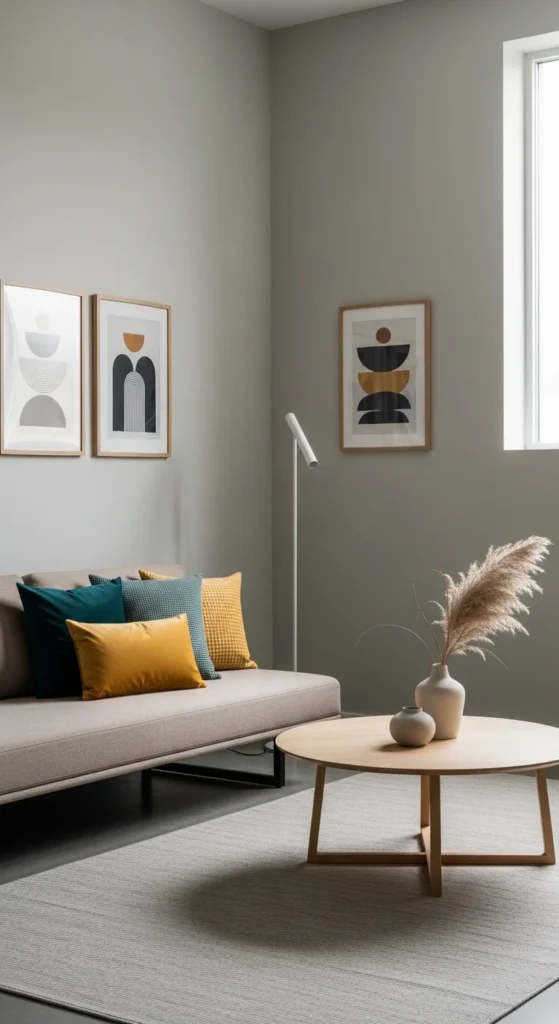
Color works best when repeated. Choose one or two accent colors and use them sparingly.
Pillows, vases, or artwork are easy ways to introduce color without commitment.
Avoid spreading many colors across one room. This can feel messy fast.
Professionally styled rooms rely on restraint, not variety.
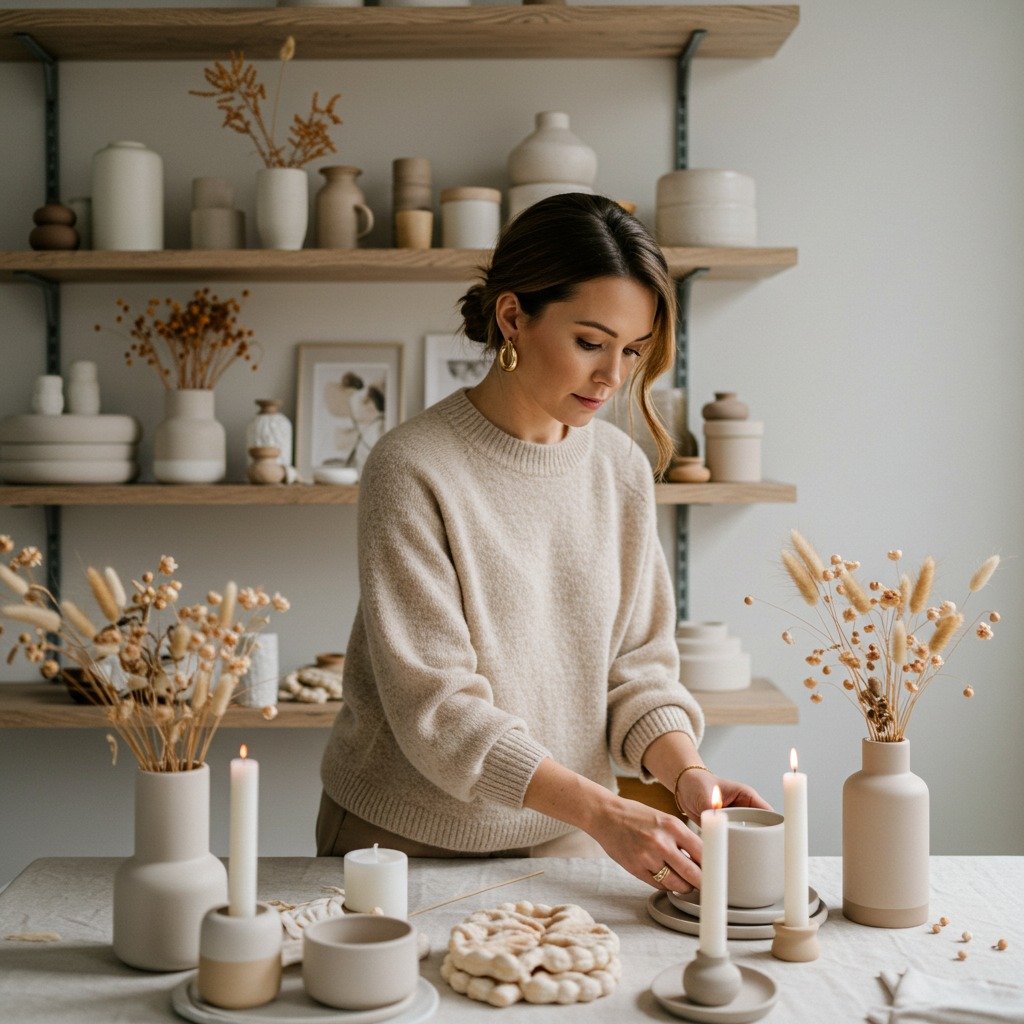
9. Styled Open Shelving
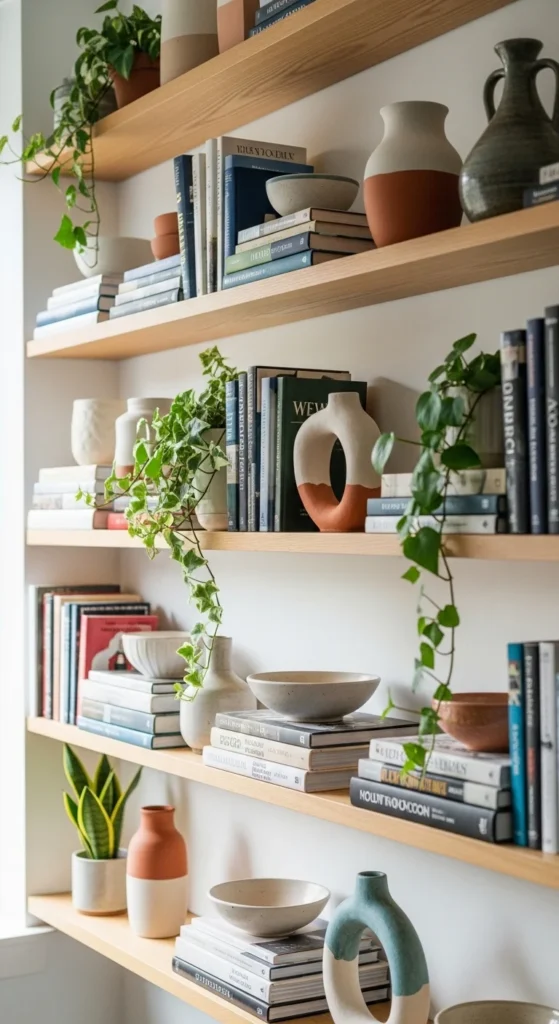
Open shelves should never feel full. Leave gaps between items to let each piece stand out.
Mix vertical and horizontal objects. This creates rhythm without effort.
Use everyday items like bowls or books. Styling does not require decorative-only pieces.
Edit often. Removing one item can improve the whole shelf.
10. Entryway Visual Order
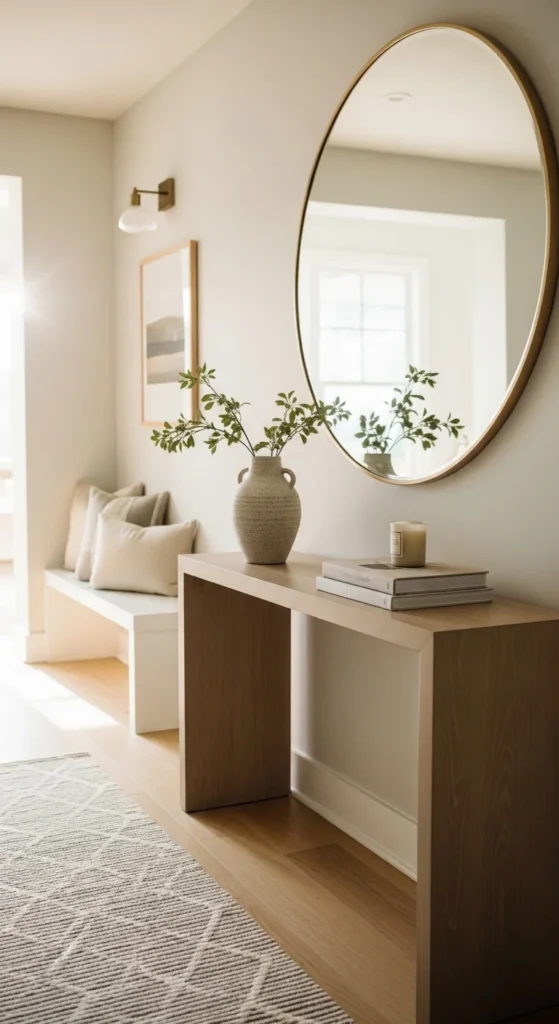
First impressions matter. Keep entryways simple and functional.
Use a tray or bowl to control small items. Add one decorative piece only.
Mirrors help bounce light and make small spaces feel open.
Avoid piling coats or bags in sight. Hooks or baskets help keep order.
11. Matching Hardware Finishes
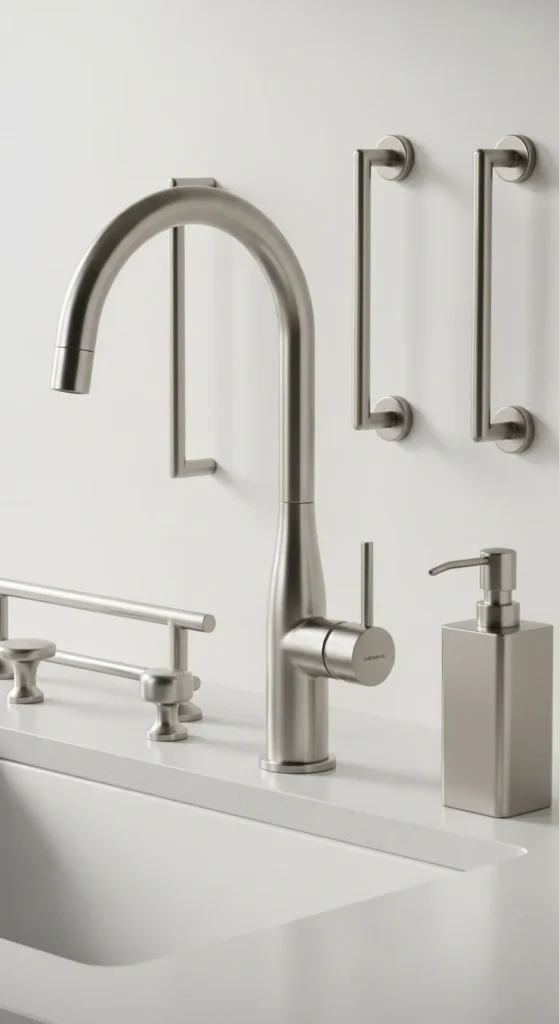
Consistency in finishes creates a clean look. Match knobs, handles, and fixtures when possible.
If replacing everything is not realistic, start with the most visible areas.
Spray paint can help unify mismatched pieces temporarily.
Small changes here often make a big difference.
12. Sofa Pillow Symmetry
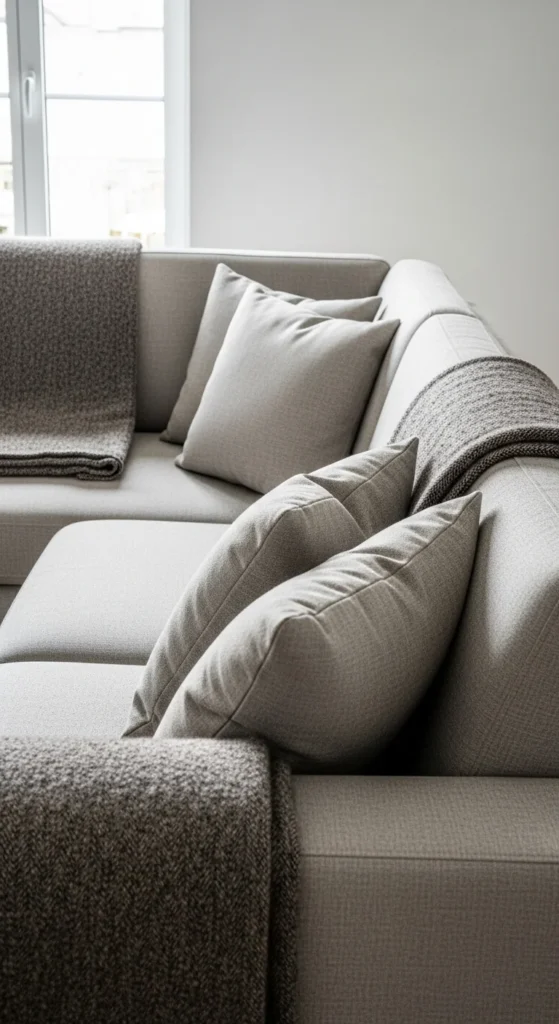
Symmetry feels orderly. Even numbers of pillows often look cleaner on sofas.
Keep sizes consistent. One standout pillow can work if the rest are simple.
Avoid overcrowding seating. Comfort matters as much as appearance.
Rotate pillow covers seasonally for easy updates.
13. Bedroom Bedding Layers
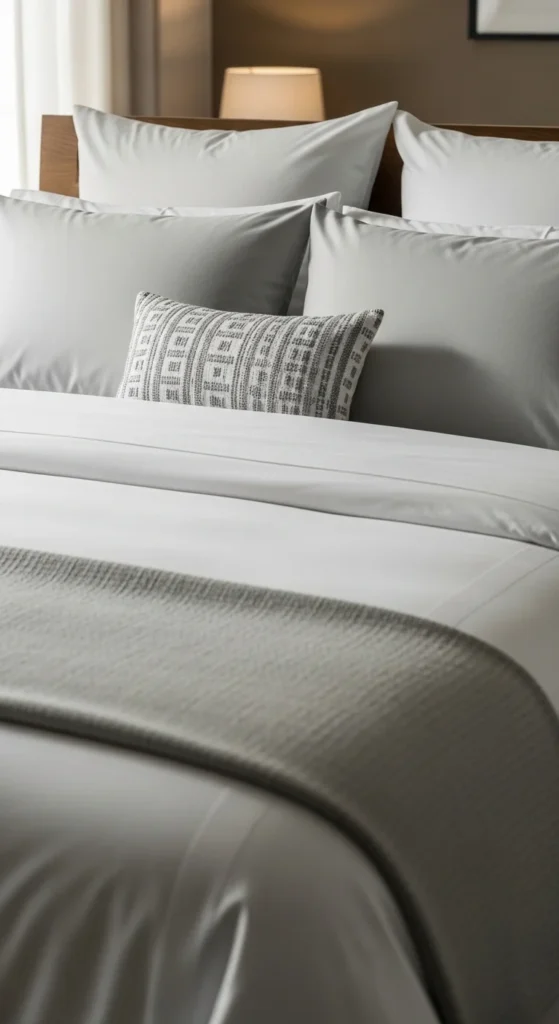
Layering bedding adds polish. Use a fitted sheet, flat sheet, light quilt, and pillows.
Stick to calm colors for a hotel-like feel.
Fold blankets neatly rather than draping randomly.
A made bed sets the tone for the whole room.
14. Bathroom Counter Editing
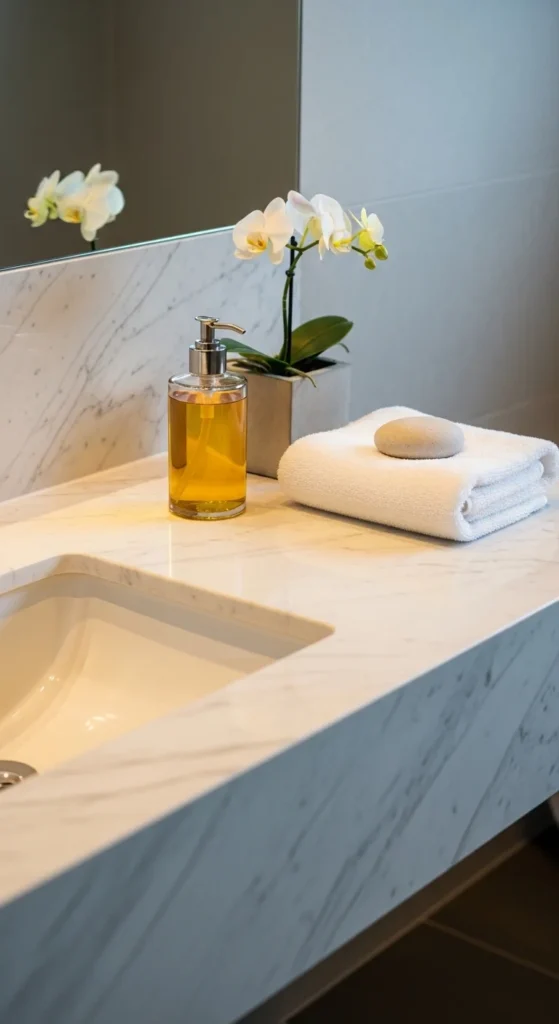
Clear bathroom counters look clean and intentional. Limit items to daily essentials.
Use matching containers for soap and toothbrushes.
Store extras out of sight.
Less visual noise makes small spaces feel larger.
15. Repeated Decorative Shapes
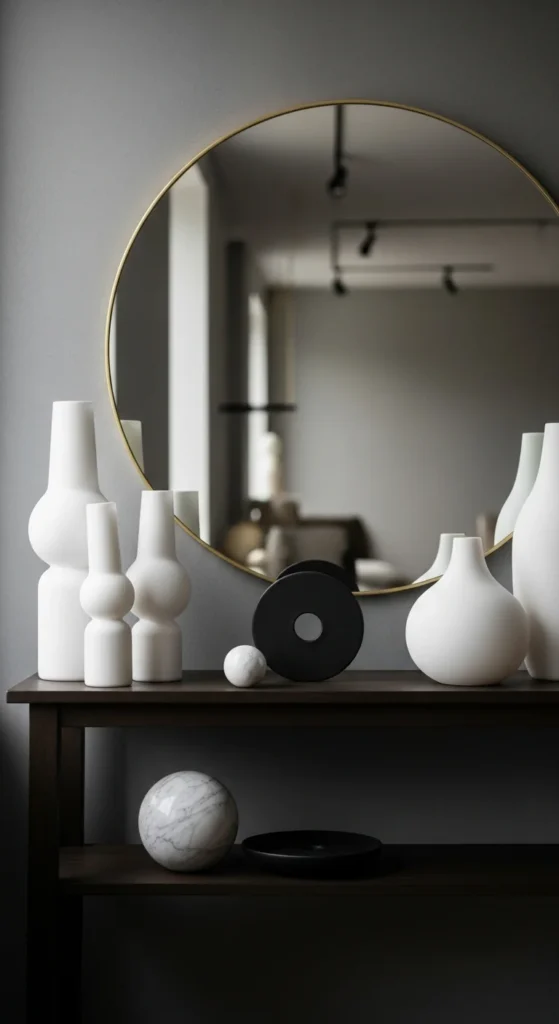
Repeating shapes creates cohesion. Circles, arches, or rectangles can appear across decor.
This does not require buying new items. Look at what you already own.
Echo shapes subtly rather than forcing a theme.
This technique is common in professionally styled homes.
16. Clean Lines on Surfaces
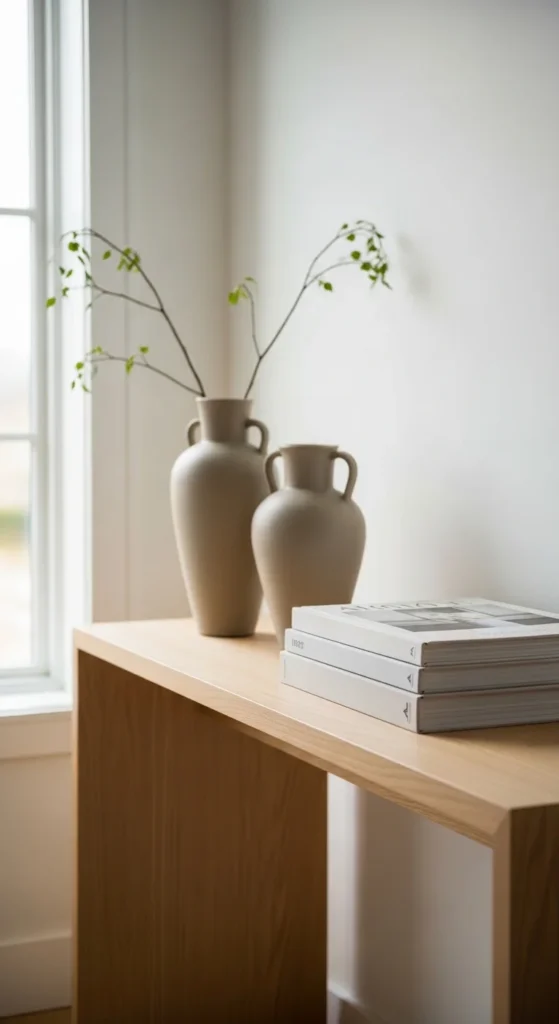
Flat surfaces should feel calm. Avoid stacking too many items.
Group decor in contained areas like trays.
Leave negative space. It helps items stand out.
This approach works in every room.
17. Indoor Plant Placement
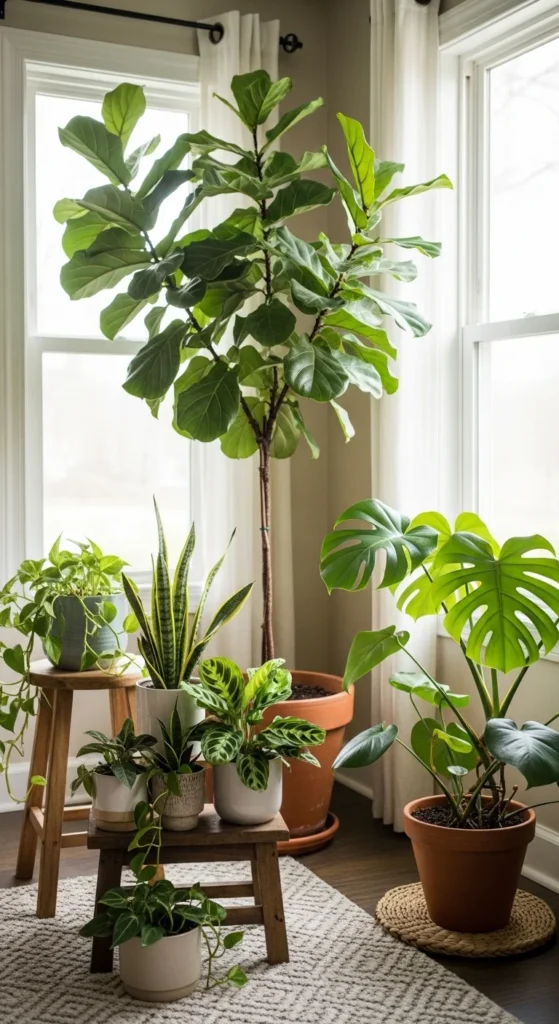
Plants soften rooms and add life. Use them where light naturally falls.
Choose low-maintenance varieties if care is a concern.
One larger plant often looks better than several small ones.
Keep pots neutral for a polished look.
18. Consistent Textile Textures
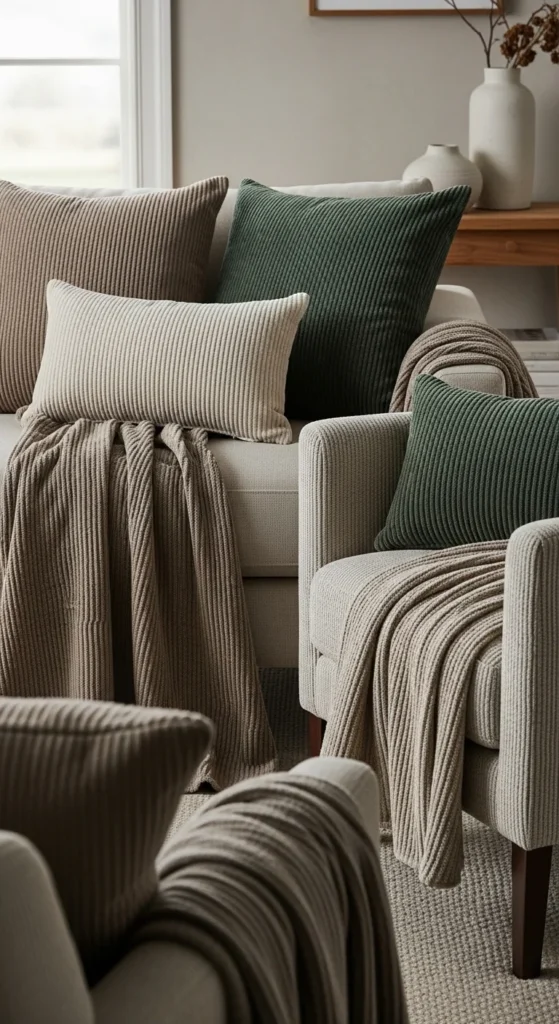
Too many textures can feel busy. Limit fabric variety within one space.
Repeat materials like linen or cotton across pillows and throws.
This creates quiet consistency.
Texture should support the room, not distract from it.
19. Dining Table Simplicity
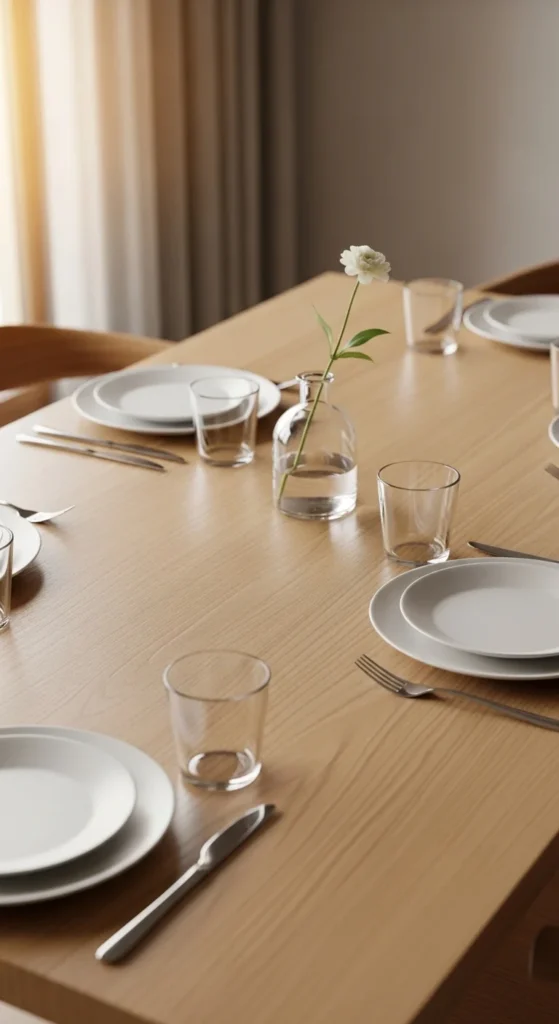
Dining tables look best when mostly clear. One centerpiece is enough.
Use low arrangements to keep sightlines open.
Remove items after meals to reset the space.
A clean table always feels intentional.
20. Defined Room Zones
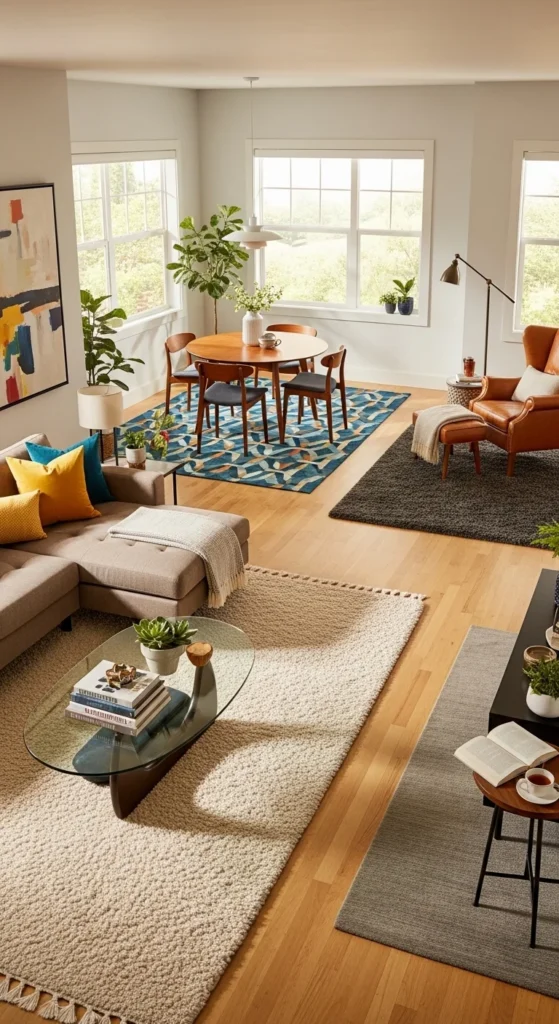
Open spaces need visual structure. Rugs and furniture placement help define areas.
Use one rug per zone.
Keep pathways clear.
This creates order without walls.
21. Neutral Decorative Objects
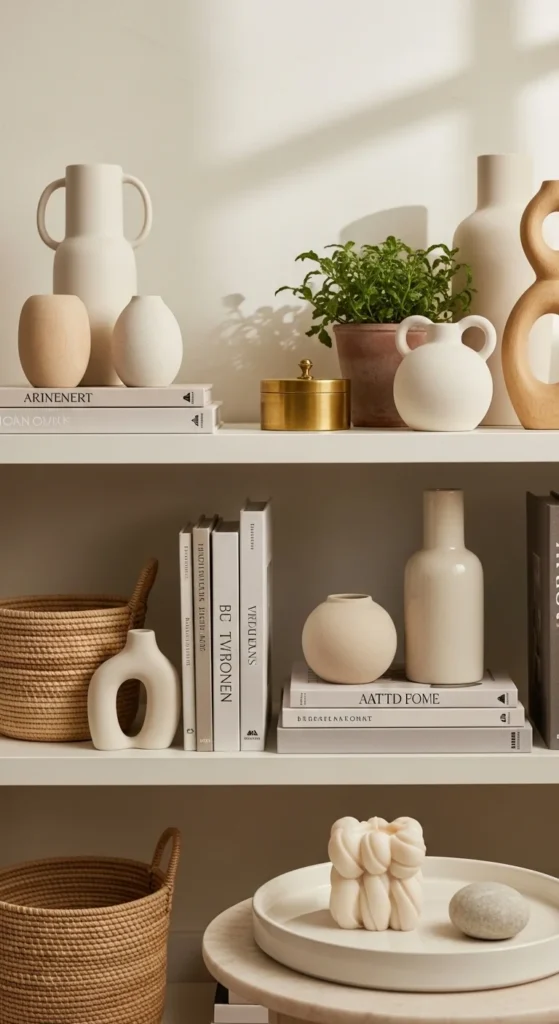
Decor does not need loud color. Neutral objects add interest without distraction.
Ceramics, wood, and glass work well.
Group items in odd numbers.
Simple objects often look more refined.
22. Consistent Frame Styles
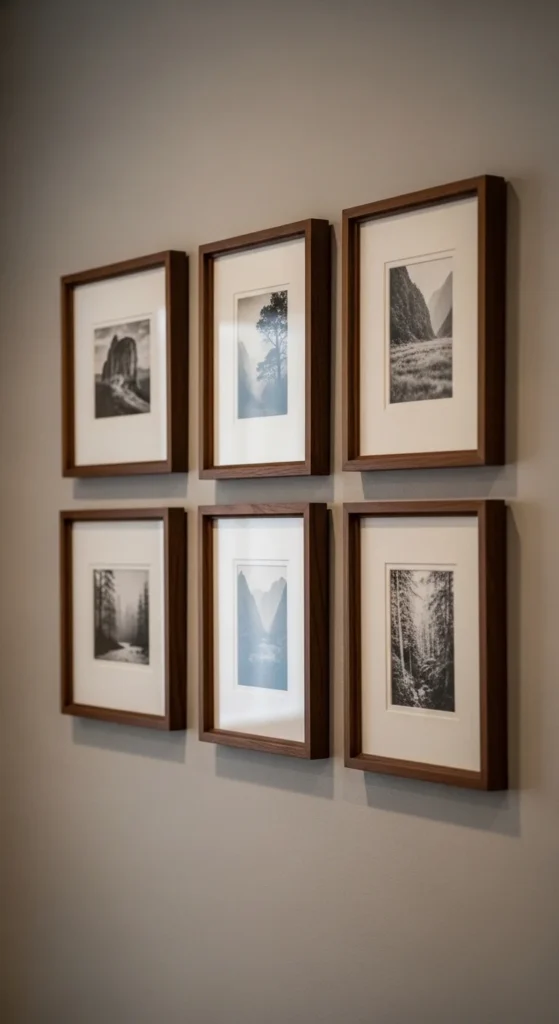
Matching frames create cohesion. Even inexpensive frames look better when consistent.
Black, white, or wood tones work in most homes.
This approach keeps galleries tidy.
It also makes future additions easier.
23. Seasonal Edit and Remove
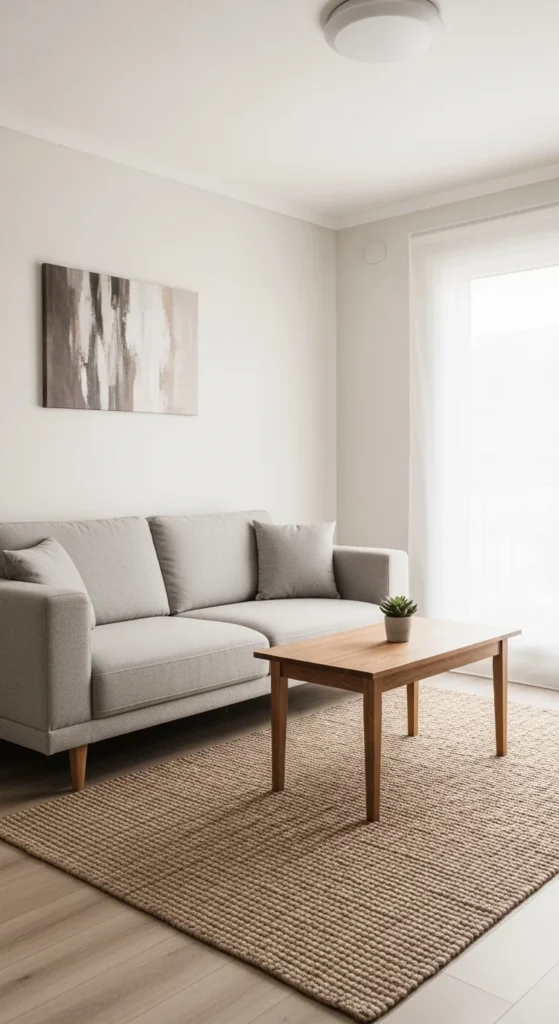
Professional styling often starts by removing items. Seasonal editing keeps spaces current.
Pack away heavy or unused decor.
Reintroduce pieces slowly.
This habit keeps homes feeling intentional year-round.
Conclusion
Professional-looking spring styling comes from thoughtful choices, not constant buying. When spaces rely on balance, spacing, and restraint, they naturally feel polished. Start with one room, apply one or two ideas, and build gradually. Over time, these small adjustments create a home that looks calm, organized, and carefully styled without extra expense.
Leave a Reply