

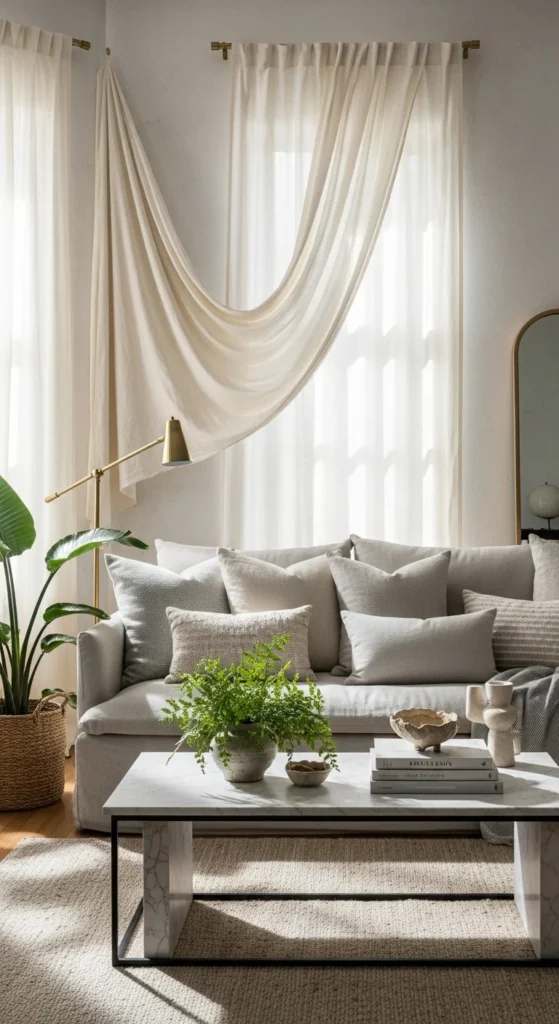
Spring decor with a designer feel is less about buying expensive items and more about styling with intention. The right details can change how a space feels without major renovations or big spending. Texture, spacing, and thoughtful placement do most of the work. This guide focuses on luxe-looking ideas that are realistic for real homes. Each one leans on simple updates, smart swaps, and easy DIY touches that bring polish without stress.
1. Layered Neutral Textiles
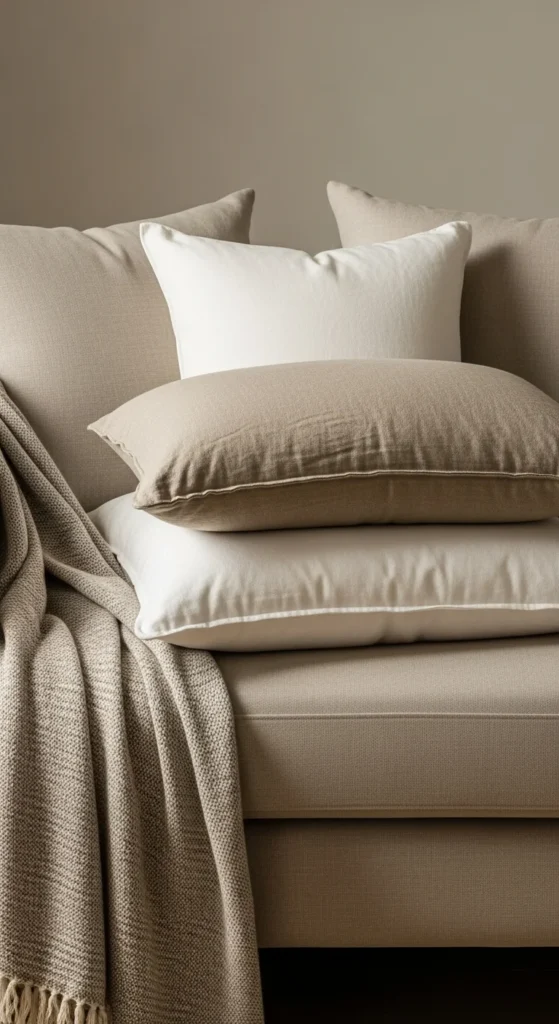
Layering textiles is one of the easiest ways to create a designer-style room. Start with a calm base like linen or cotton in soft neutrals. Add contrast through texture rather than color. A woven throw. A slightly nubby pillow. A smooth cotton cover beside a heavier fabric.
This approach keeps the room calm while still feeling styled. Stick to two or three tones to avoid visual noise. Off-white, sand, and soft gray work well together. You do not need matching sets. In fact, slight differences make the space feel curated.
Budget tip: rotate pillow covers seasonally instead of buying new inserts. Thrift stores often have quality throws that only need a wash. DIY envelope pillow covers from fabric remnants can also look custom.
Keep placement relaxed. Avoid lining pillows in a straight row. Let one corner fall naturally. Small details like this change the entire mood of the space.
2. Sculptural Ceramic Vases
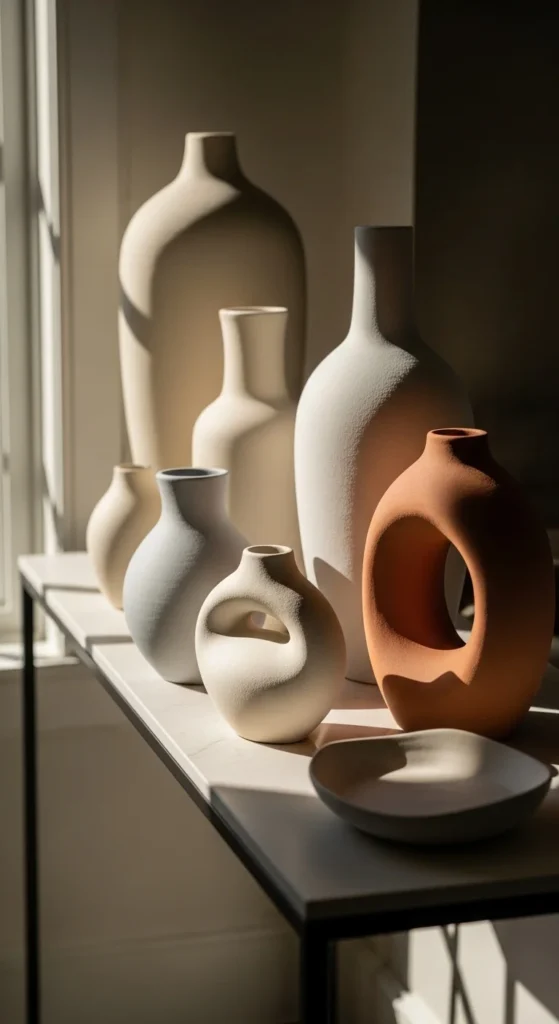
Sculptural ceramics act like art without needing walls. Their shapes add interest even when empty. Look for curved forms, asymmetry, or subtle texture. Matte finishes usually read more refined than glossy ones.
Group two or three pieces together at different heights. Keep spacing loose so each piece stands on its own. White, clay, and muted stone shades work well in spring interiors.
You do not need high-end brands. Many affordable home stores carry ceramic pieces that look handmade. Local markets and online resale shops are also great sources.
DIY option: paint a dated vase with chalk-style paint in a soft neutral. Light sanding after drying adds an aged look. Skip flowers if the arrangement starts to feel busy. Sometimes empty vases make a stronger statement.
3. Oversized Statement Branches
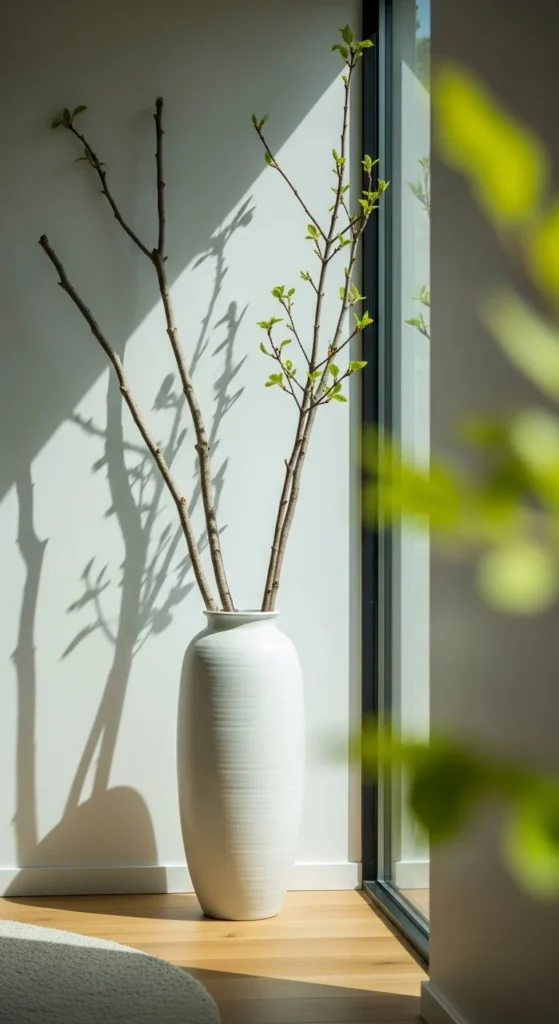
Large branches create instant drama with almost no effort. They draw the eye upward and make ceilings feel taller. Olive, eucalyptus, or simple bare branches all work well.
Use a tall vase with weight at the bottom. Place the arrangement where it can stand alone. Corners near windows are ideal.
This is one of the most budget-friendly ideas on the list. Foraged branches from your yard work perfectly. Rinse and let them dry fully before styling.
Skip overcrowding. One or two branches are enough. Let negative space do the work. If leaves feel too busy, bare branches can look even more refined.
4. Soft Stone Coffee Table Styling
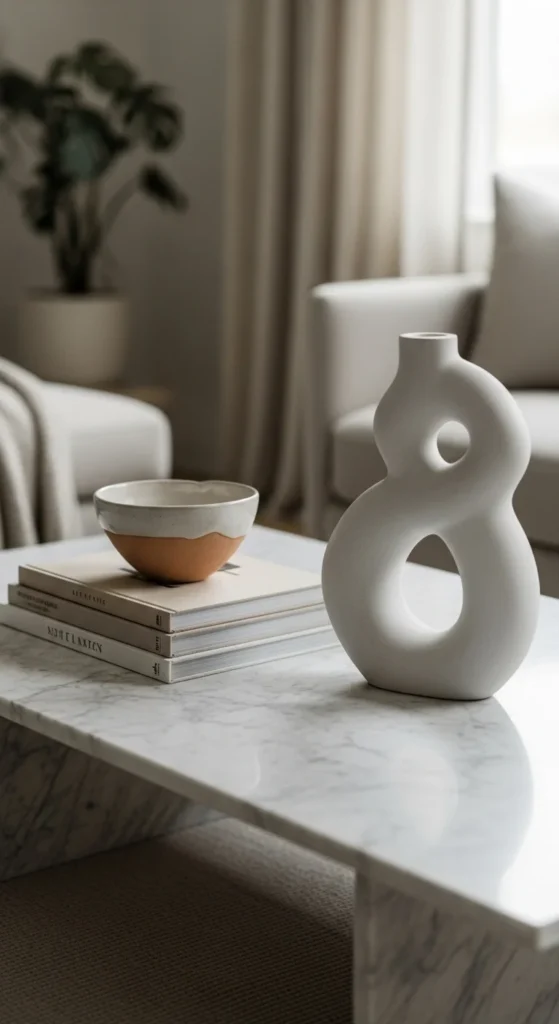
Coffee tables set the tone for the entire room. A stone or stone-look surface instantly reads luxe. Keep styling minimal. Three items are usually enough.
Stack books horizontally. Add one small object with shape. Finish with something organic like a bowl or smooth tray.
If real stone is out of budget, use contact paper designed for stone finishes. When applied carefully, it can look convincing from a distance.
Avoid clutter. Leave space visible on the table. This breathing room is what gives a designer feel.
5. Subtle Brass Accents
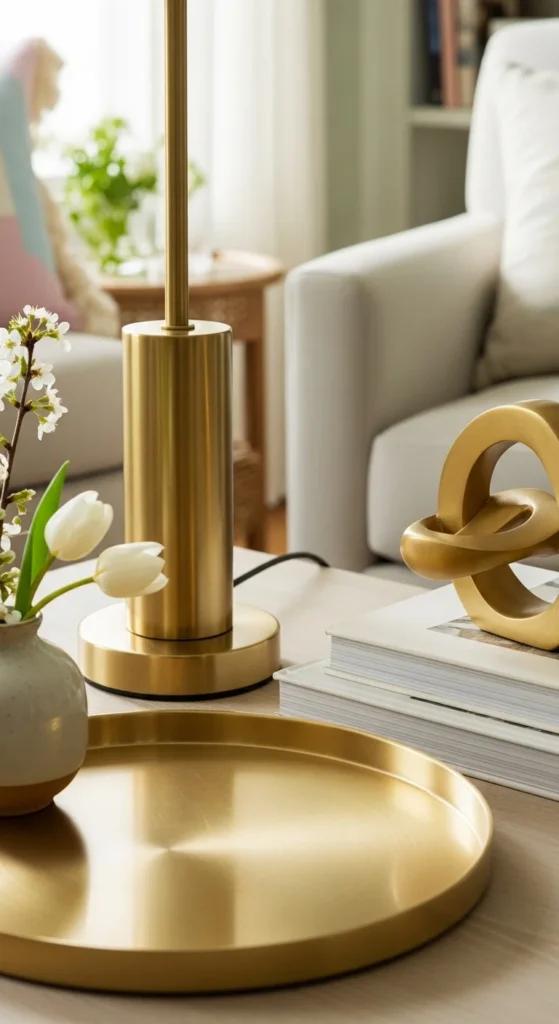
Warm metal accents add quiet polish. Small touches work better than large shiny pieces. Think trays, lamp bases, or hardware.
Mix brass with neutral surroundings so it stands out gently. Avoid matching everything. Slight variation feels more natural.
Budget tip: update drawer pulls or cabinet knobs. Spray paint made for metal can change older items easily. Light sanding after painting tones down shine.
Keep metal accents spaced around the room rather than clustered. This creates balance without drawing too much attention.
6. Curated Book Stacks
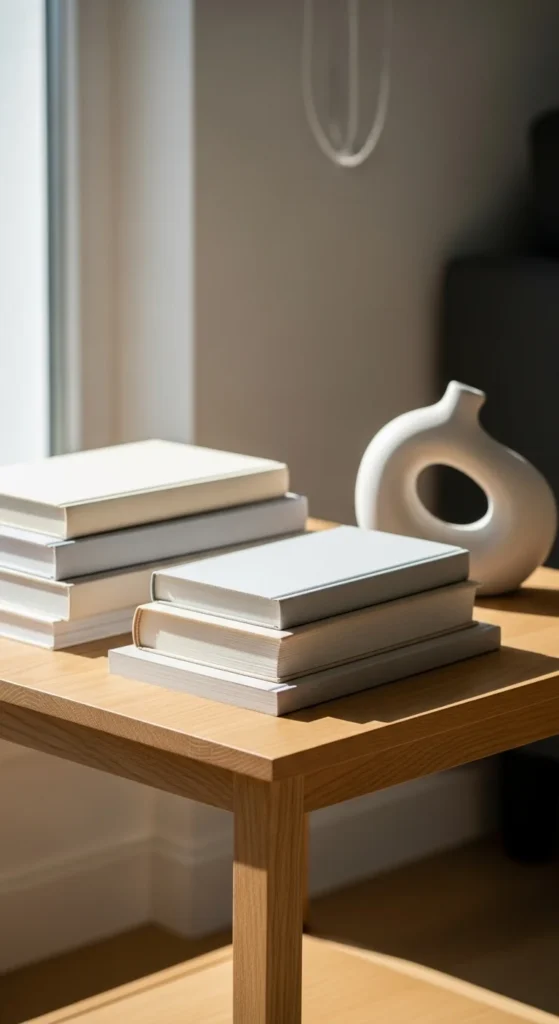
Books bring warmth and personality. Choose covers with calm colors. Remove dust jackets if they feel busy.
Stack two or three books max. Vary sizes slightly. Top with a small object to anchor the stack.
Library sales and thrift stores are perfect for sourcing inexpensive books. Focus on spine color rather than content if needed.
Avoid overcrowding shelves. Negative space matters as much as the items themselves.
7. Sheer Curtain Layers
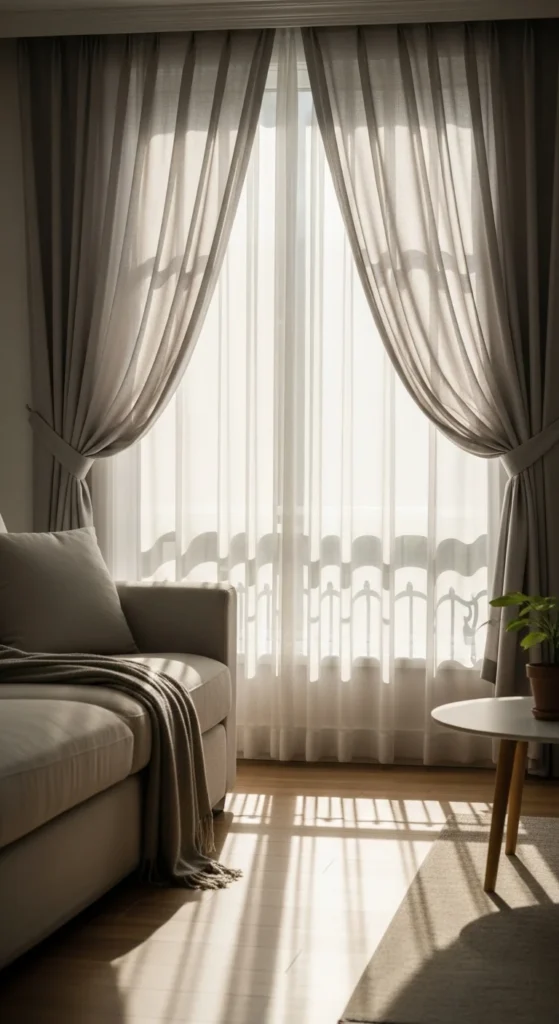
Sheer curtains soften light and add movement. They make rooms feel airy without feeling bare.
Layer sheers with heavier panels for depth. Keep rods mounted higher than the window frame to create height.
Budget tip: use simple white sheers and invest slightly more in rods. Hardware often makes the bigger visual difference.
Let curtains puddle slightly on the floor for a relaxed look.
8. Organic Wood Tones
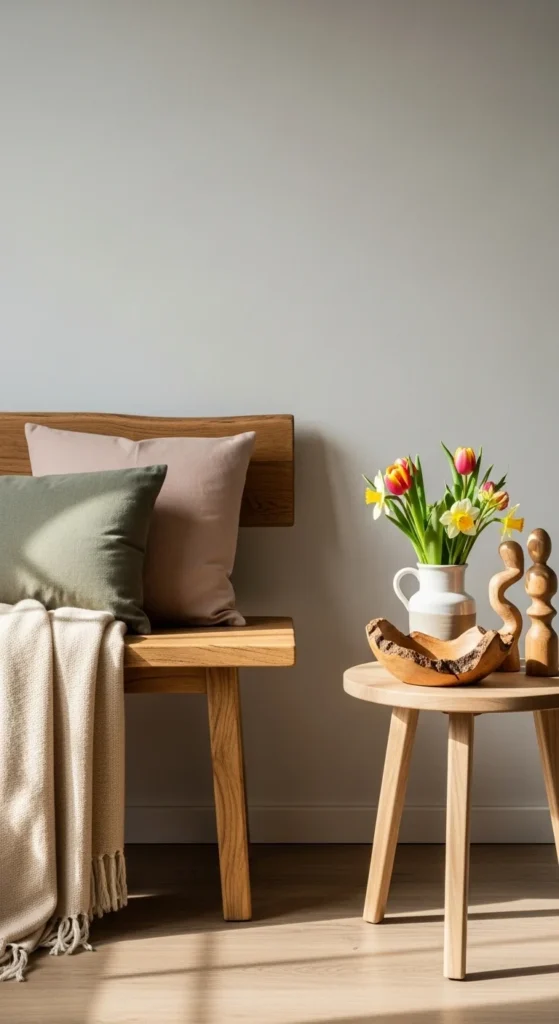
Natural wood brings warmth to spring spaces. Look for pieces with visible grain and simple shapes.
Mix wood tones lightly rather than matching everything. Keep undertones similar for cohesion.
DIY idea: refinish an older piece with a light stain or even clear oil to highlight grain.
Avoid heavy gloss finishes. Softer sheens feel more current and calm.
9. Minimal Wall Art Pairings
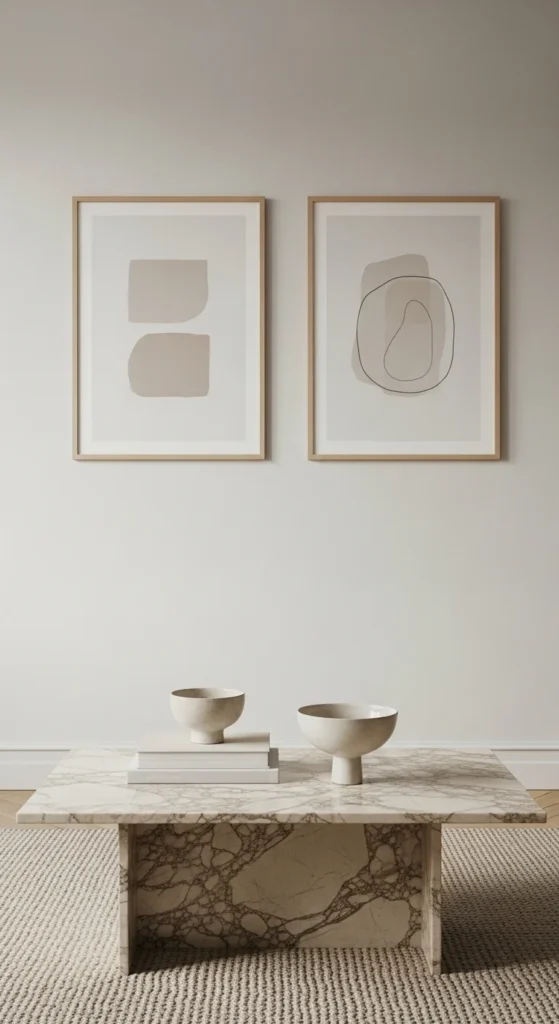
Pairs of simple art pieces feel intentional. Stick to similar sizes and tones.
Use wide mats to give artwork presence. Frames in wood or thin metal work well.
Printable art can look high-end when printed on textured paper. Use local print shops for better quality.
Hang art at eye level. Too high is a common mistake.
10. Low Profile Floral Arrangements
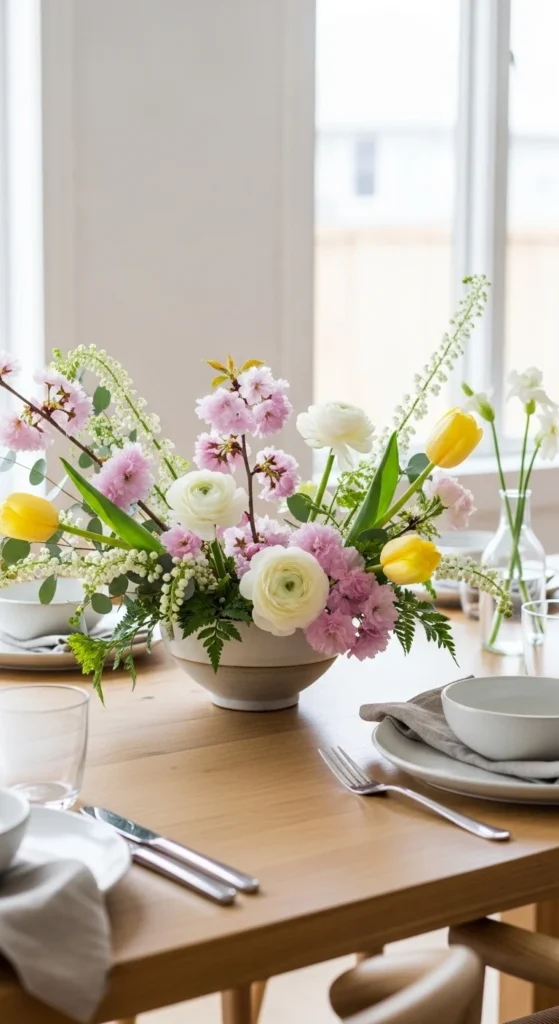
Low arrangements feel relaxed and usable. They keep sightlines open.
Use one type of flower for a clean look. Green stems alone can also work.
Grocery store flowers styled simply often look better than mixed bouquets.
Trim stems unevenly for a natural finish.
11. Statement Floor Lamps
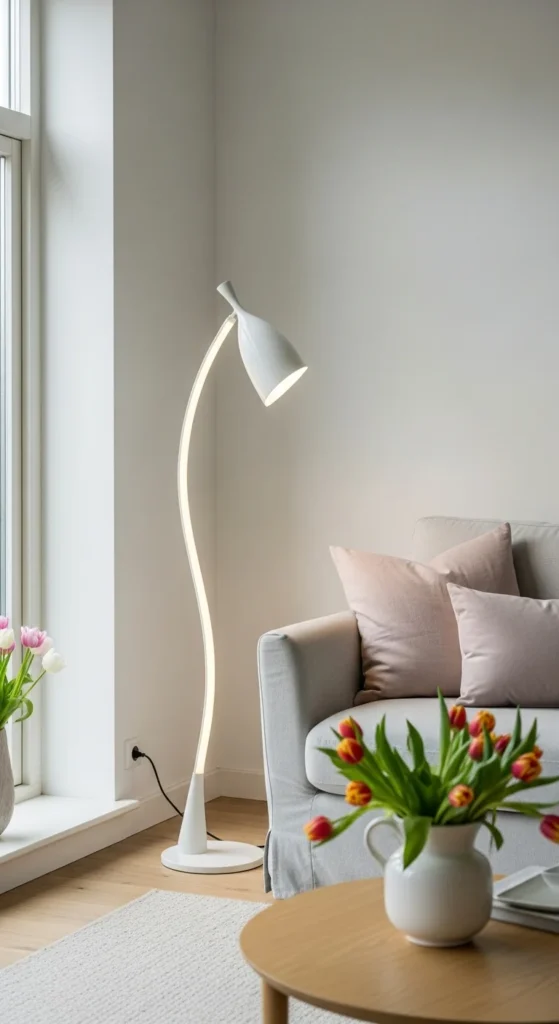
Lighting acts as decor. A sculptural floor lamp adds height and shape.
Look for slim profiles and neutral shades. Avoid overly ornate styles.
Secondhand lamps can be updated with new shades for little cost.
Place lamps slightly behind seating for balance.
12. Softly Styled Entry Tables
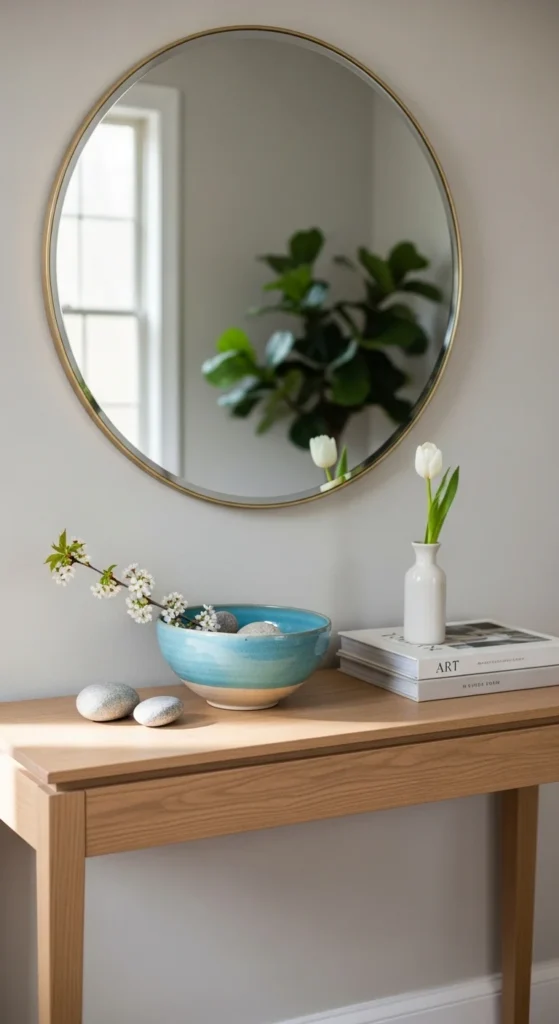
Entry tables set the first impression. Keep styling simple and welcoming.
Use one mirror or art piece above. Add one functional item like a bowl.
Avoid overcrowding. Leave space for daily use.
This area benefits from restraint.
13. Neutral Area Rugs with Texture
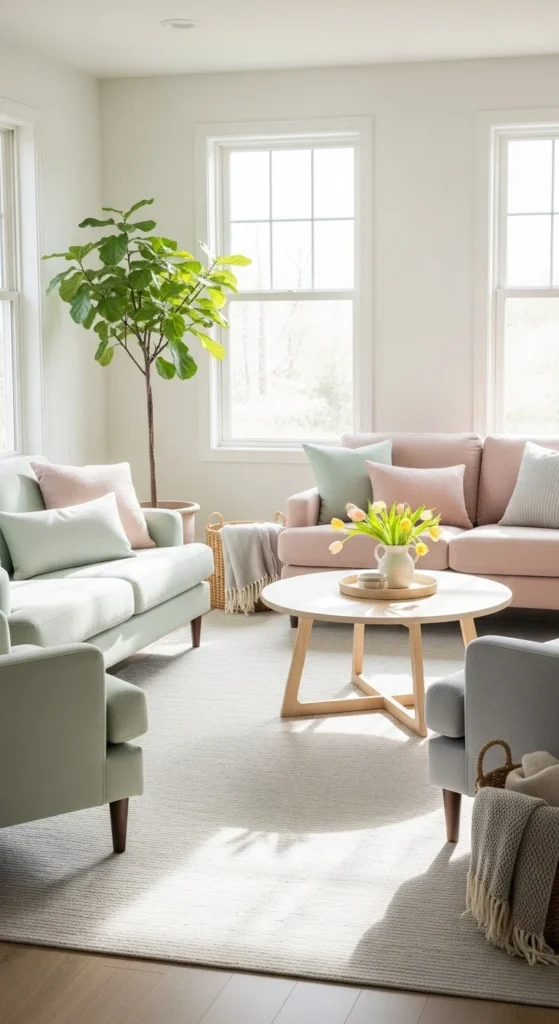
Textured rugs ground a room without stealing attention. Flat weaves and subtle patterns work well.
Size matters. Go larger than you think. Furniture should sit partly on the rug.
Budget rugs can look great with proper placement.
Vacuum regularly to keep texture visible.
14. Clean Shelf Styling
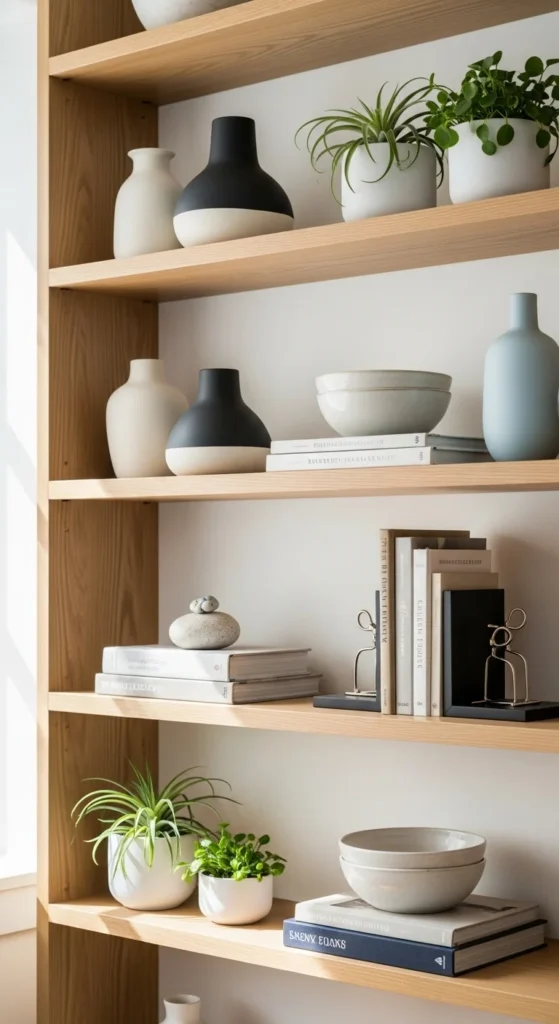
Shelves look better with fewer items. Group by odd numbers.
Vary height and shape. Leave gaps.
Rotate items seasonally rather than adding more.
Edit often to keep shelves calm.
15. Matte Black Touches
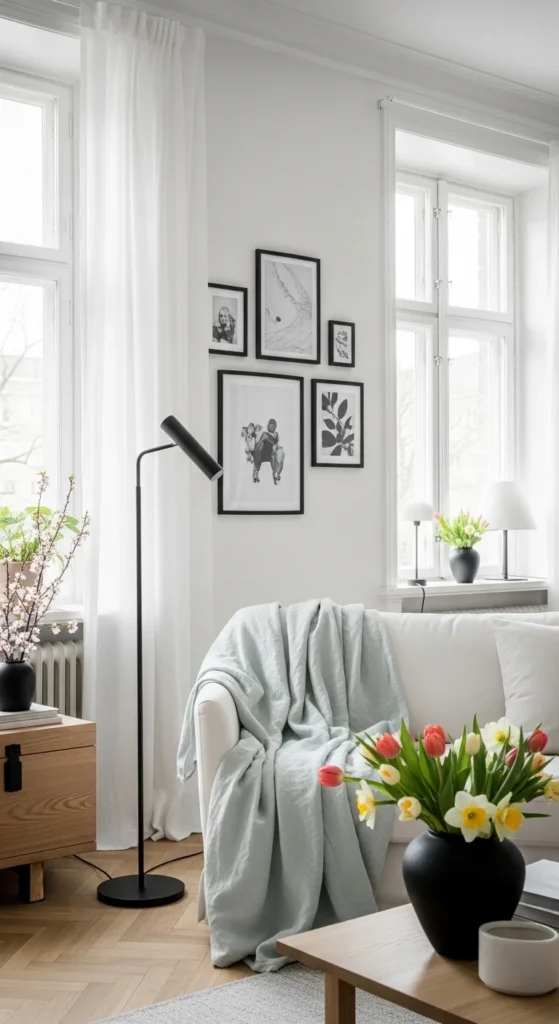
Matte black adds contrast without harshness. Small doses work best.
Use in frames, handles, or trays.
Spray paint updates older pieces easily.
Balance black with lighter tones nearby.
16. Textured Wall Finishes
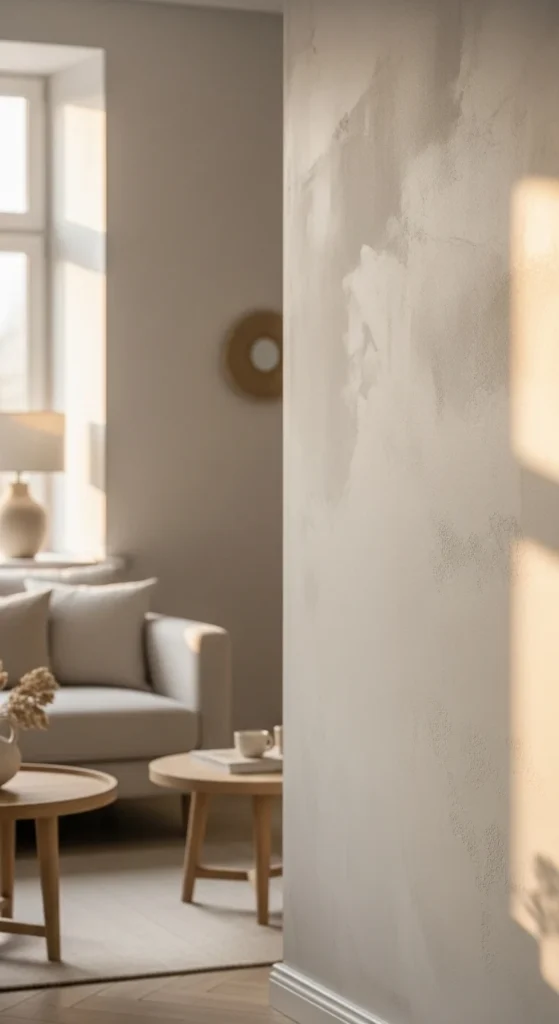
Subtle wall texture adds depth. Limewash-style paint or plaster effects work well.
DIY kits are available and forgiving.
Test in small areas first.
Keep colors soft to avoid heaviness.
17. Thoughtful Negative Space
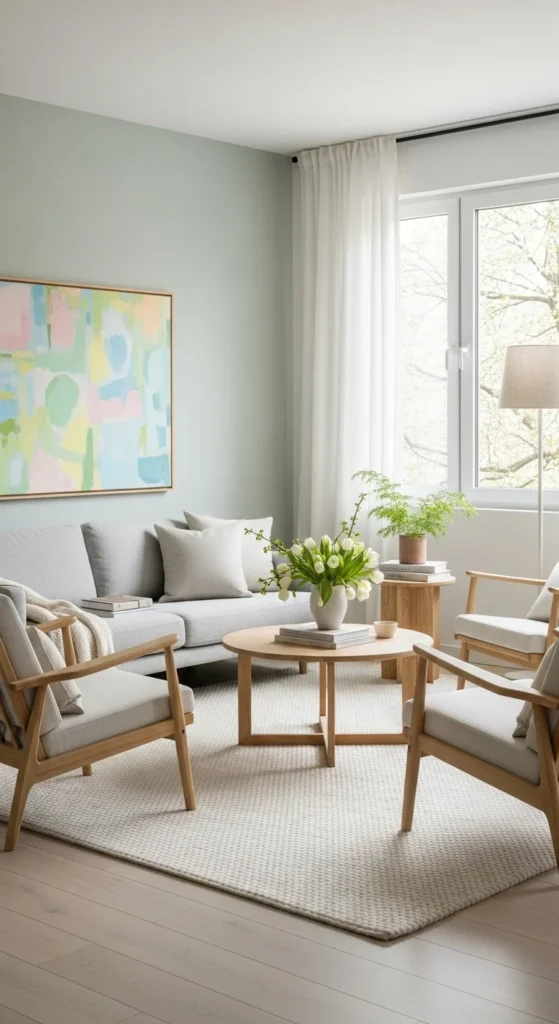
Empty space helps rooms feel styled. Not every surface needs decor.
Step back and remove one item if a space feels busy.
Let furniture breathe.
This habit costs nothing and changes everything.
18. Natural Stone Accessories
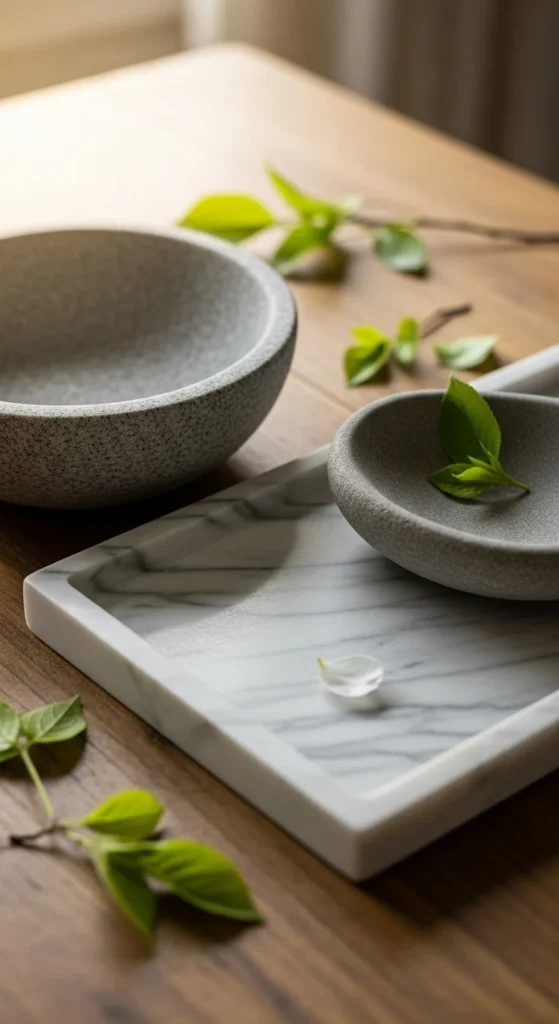
Stone accessories add weight and calm. Use sparingly.
One bowl or tray is enough.
Look for soapstone or marble look-alikes.
Keep colors muted.
19. Soft Color Accents
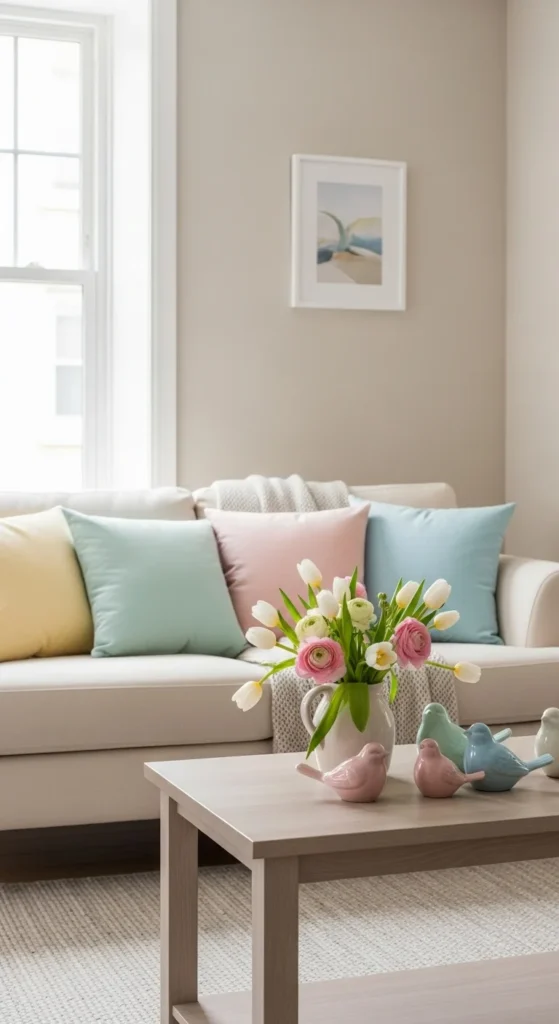
Add color through small pieces. Pale green, muted blue, or blush work well.
Limit to one accent color per room.
Swap seasonally instead of repainting.
Textiles are easiest to change.
20. Intentional Table Settings
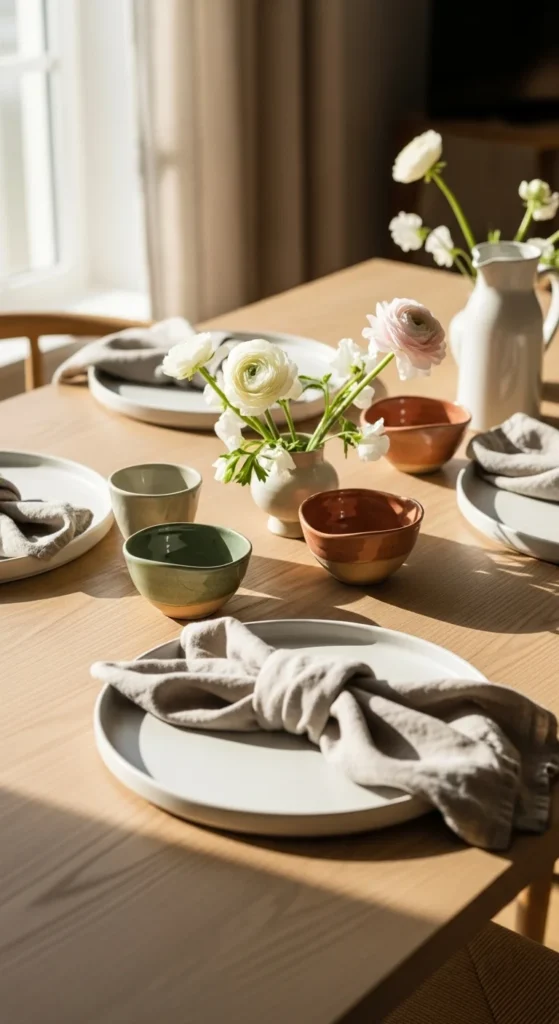
Simple table settings make everyday meals feel special.
Use cloth napkins and neutral dishes.
Mix old and new pieces.
Store settings neatly when not in use.
21. Consistent Material Repeats
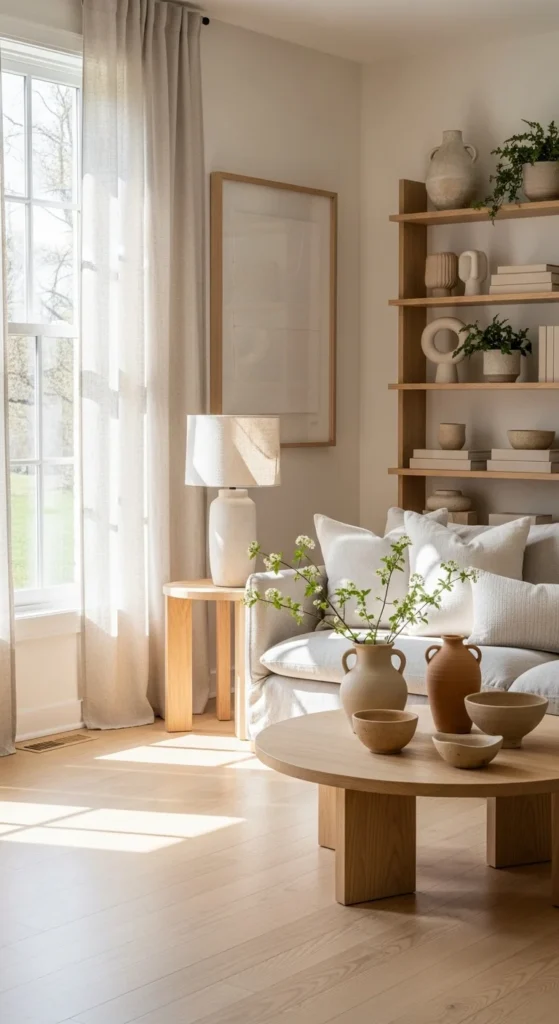
Repeating materials creates cohesion. Wood, linen, ceramic.
You do not need matching items. Similar textures are enough.
Notice what you already own and echo it.
This quiet repetition gives a designer-style finish.
Conclusion
Luxe spring decor comes from thoughtful choices rather than big purchases. Texture, spacing, and calm color stories shape how a room feels. Small updates like textiles, lighting, and natural materials can shift a space quickly. Start with one idea and build slowly. Editing and restraint often matter more than adding anything new.
Leave a Reply